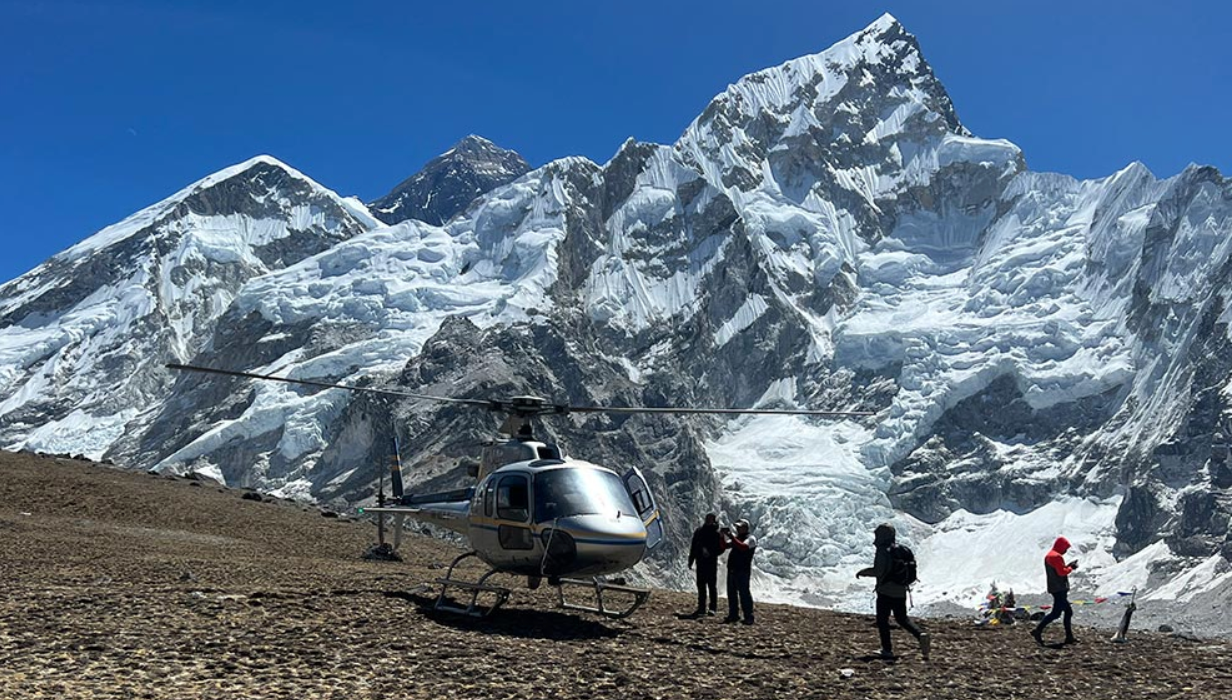
Journeys to the Everest region are popular for scenic and cultural rewards. The snow-capped mountains, terrain, glacial rivers, and valleys offer breathtaking scenery. Similarly, the traditional Sherpa villages allow trekkers to observe the simple himalayan lifestyle. However, these treks are 12 to 14 days long or more. They require high-altitude exposure, which increases the chances of Acute Mountain Sickness (AMS). Additionally, trekkers should walk about 5 to 7 hours every day, adding physical strain.
Managing everything on your own during the trek can be difficult, so it is better to opt for guided Everest trips. The guides provide easy trail navigation, as they are aware of the alternative and shorter routes. Additionally, they monitor your health throughout the journey to recognize the early signs of AMS. This helps provide timely treatment and prevent the signs from getting worse. Similarly, guides look after all the logistics, such as obtaining all the necessary trekking permits and managing food and accommodation. They provide immediate first-aid care in case of minor injuries. During major accidents or altitude sickness guides coordinate emergency evacuation with your insurer.
The Everest Base Camp Trek with Helicopter Return has been gaining popularity amongst travellers for a guided trip. This is a luxury modification of the classic journey that replaces the final descent days with a helicopter flight to Kathmandu.
Advantages of Guided Everest Treks
Cultural insights and local knowledge
Local guides offer in-depth historical information about the region, its traditions, and ancient sites. They are familiar with monastic practices, rules, and regulations. Likewise, they teach you basic greetings and give you tips on how to maintain respectful interactions with the locals. Guides also provide the spiritual and religious values of the festivals, rituals, and regional ceremonies.
Better Logistics
Guided treks save trekkers from all the hassle of paperwork for obtaining the necessary permits. You just provide them with the necessary documents, and they handle the rest of the work. Similarly, accommodation in the Everest region varies widely, from basic teahouses to luxury lodges and hotels.
During peak trekking season, they are mostly fully occupied, making last-minute bookings almost impossible. However, guided tours make sure you get the best rooms possible by making reservations in advance. Not every teahouse host is fluent in English, so having a guide helps you communicate your food preferences better. This removes the uncertainty that comes with independent trekking and allows trekkers to enjoy the journey.
Porter
It can be difficult to carry your heavy bags through uneven trails for multiple days. This adds muscle and joint strain and increases the chances of tripping and falling. However, with guided treks, porters carry your supplies and trekking equipment. This reduces physical strain and conserves energy for a longer period. Furthermore, usually porters arrive at the teahouses faster than the remaining team and get your rooms ready and store the luggage for you.
Motivation
Everest trekking is also mentally challenging, requiring mental stamina to cross the steep passes and narrow ridges. Similarly, swiftly changing mountain weather makes adjustments difficult, especially for beginners. A professional guide offers the constant reassurance and support that is required to complete the trek.
Emergency Preparedness
High-altitude trekking in the Everest region poses significant risks of Acute Mountain Sickness (AMS). Even though the trails are well-established, trekkers spend several days above 4,500 meters. Guided treks provide a crucial safety net and manage emergency rescue operations. Similarly, they carry essential medical kits with medications for minor illnesses and injuries.
Guides make sure trekkers maintain a steady pace, control elevation gain and set rest days when necessary. This improves physiological adjustments to high elevation and reduces the risk of more severe issues.
Even with careful preparation, unforeseen circumstances can create emergencies. Especially during the monsoon and winter seasons, landslides, rockfalls, and snowfall can cause temporary damage to the trails. Additionally, trekkers may fall sick and be unable to complete the journey. In such situations, guided treks manage comprehensive rescue plans.
In higher elevations, internet services are not always reliable. However, guides carry satellite phones or radios to stay in touch with the main office at Kathmandu. This makes sure help arrives as fast as possible, even in the isolated places.
The bottleneck of most of the Everest journeys is the weather-dependent Lukla flight. During harsh weather conditions and low visibility, they get cancelled or delayed pretty often. Handling this situation by yourself can be extremely challenging. Having a local guide by your side means that he will manage good accommodation for the time being.
Tips For High-Altitude Everest Treks
Staying well hydrated and eating a balanced, nutritious diet are essential for maintaining energy and supporting proper acclimatisation during high-altitude Everest treks. Cold, dry mountain conditions cause the body to lose fluids more quickly, so drinking water regularly and consuming carbohydrate-rich foods are crucial for stamina and recovery.
It is equally important to follow the advice of experienced guides, who have in-depth knowledge of altitude hazards, weather changes, and trail conditions. Their instructions help trekkers keep a safe pace, identify early symptoms of altitude sickness, and make sound decisions along the route.
Adequate physical preparation before the trek also plays a major role in comfort and safety. Training to enhance cardiovascular endurance, leg strength, and core stability enables trekkers to cope better with long days of walking and uneven terrain. Bringing a personal first-aid kit is another important precaution. Include your prescribed medications, blister care supplies, pain relievers, and insect repellent for minor health issues on the trail.
For more, visit Pure Magazine