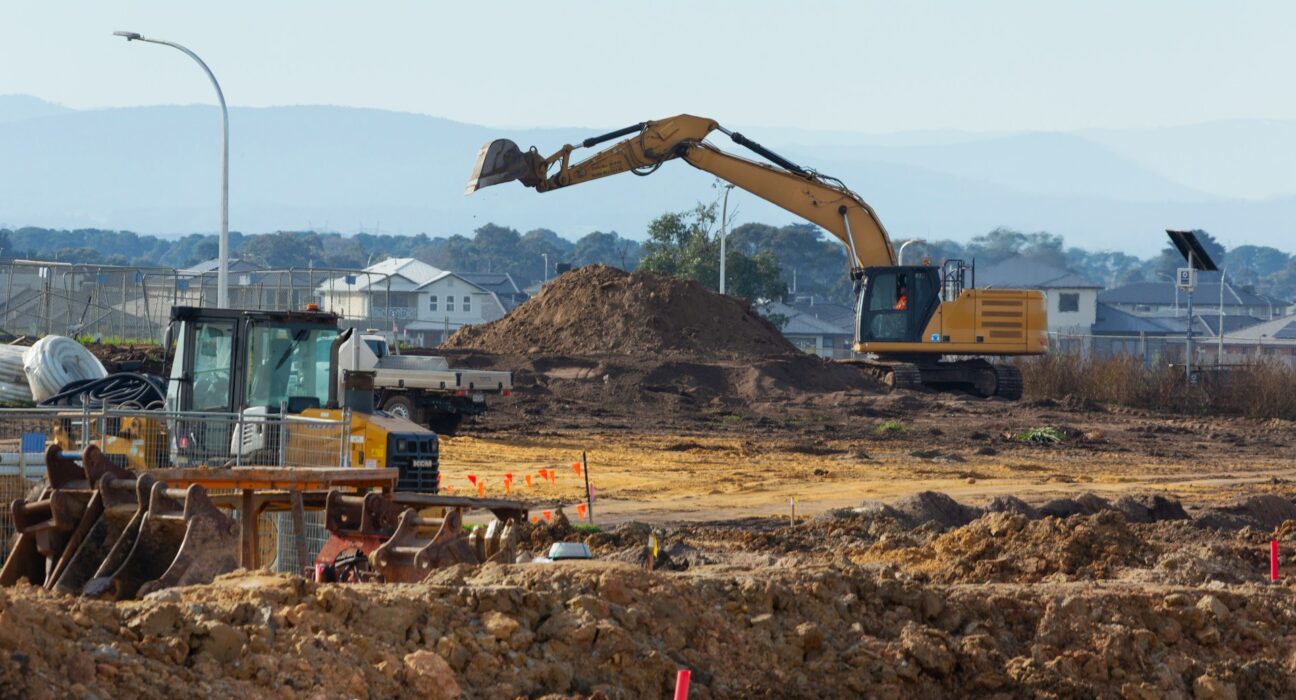
A messy construction location has more cons than you might think, safety risks, less efficiency, and delays. Each stack of unorganized rubbish causes possible harm, postpones an evaluation, and increases the proportion of works that don’t finish on time. Removing trash from the site, organizing it properly, and removing it as soon as possible is one of the most effective ways to avoid these problems.
1. Segregate Waste at the Source
The most widespread error in waste management occurring on construction sites is to mix materials. As soon as wood, metal, concrete, and hazardous waste are thrown together in the same skip, there’s not much room left for recycling or responsible disposal.
There’s a simple way to avoid this: From the very beginning, introduce a color-coded skip system and make sure there are separate streams for timber, aggregates, metals, plastics, and hazardous materials. Clearly label the containers and brief every subcontractor before they begin work. This is not an unnecessary administrative task, it’s the only way to ensure compliance with the waste hierarchy and prevent you from having to pay the high rates that apply to disposing of contaminated mixed loads.
2. Bring in Professionals For Complex Urban Sites
In high-density urban projects where pavement space is at a premium and skip permits could be almost impossible to secure, waste management by chance isn’t a risk worth taking. Professional construction site clearance london teams can offer services like scheduled ‘wait and load’ collections, arriving, loading, and leaving again without a skip sitting on a public highway and creating a permit or liability issue between visits.
3. Create Designated Waste Zones
Do not leave the placement of skips to chance. Waste accumulation points must be identified and established before work commences on-site, located well away from pedestrian areas, emergency egress points, and travel routes used by equipment.
By allowing skips to be haphazardly deposited or overfill the walkway areas, you are creating collision hazards and obstructing the very routes that your workers will need to run if injured employees must be quickly evacuated from the site. Identify zones, map them on the site plan, and ensure those zones are kept free at all times outside of the specific planned loading time. Enforcing the necessity of unhindered access for workers during all other times will eliminate a large part of any site’s slip/trip/fall risk.
Slips, trips, or falls on the same level are responsible for approximately 30% of all non-fatal injuries in the construction industry (HSE). A high proportion of these can be attributed to debris in areas that should have been kept clear.
4. Enforce a “Clear as You Go” Policy
Having weekly clean-ups won’t cut it for very busy sites. By the time Friday rolls around, there’s enough on the ground that cleaning up is a day-plus job, and it’s been a danger to everyone else all week in the meantime.
Insist each subcontractor clear their space at the end of every day. This should be a take-it-or-leave-it part of their contract and their site induction. If each trade takes care of their own mess, the site will stay under control and you won’t need a clean-up crew with their noses an inch from everyone’s work all day.
Quick, focused walk-throughs on waste (not a general site inspection) will help spot what’s been missed. These don’t need to take long. They just need to happen.
5. Handle Hazardous Materials With Separate Protocols
Hazardous waste requires more than a different skip. Asbestos, chemical containers, oils, and treated timber all have specific handling requirements, and failure to follow them creates both health risks and legal exposure.
Anyone working with hazardous materials needs the right PPE, gloves, respiratory protection, and appropriate coverings, before they touch anything. Dust suppression measures should be active during any demolition or clearance work involving materials that can become airborne. Every load leaving the site needs accurate documentation, including a Waste Transfer Note for non-hazardous materials and the correct consignment notes for anything classified as hazardous. These aren’t optional. They’re part of your duty of care and your audit trail.
6. Vet Your Waste Carriers Properly
Just because someone turns up with a van and a skip and takes your waste away doesn’t mean everything’s in order. Before any third party removes waste from your site, confirm they hold a valid waste carrier licence. Ask for digital Waste Transfer Notes. Keep records.
If something goes wrong with an unlicensed carrier, an illegal fly-tip, a contamination issue, you can be held responsible even if you didn’t transport the waste yourself. The duty of care obligation runs all the way from generation to disposal. Cutting corners on carrier vetting is one of the fastest ways to land a penalty that dwarfs whatever you saved on the collection fee.
7. Use Vehicle Banksmen For Every Collection
One of the most frequent sources of serious incidents is waste removal vehicles arriving and leaving a busy site. When you have narrow access and egress points, reversing in constrained areas, and pedestrians and other vehicles vying for the same space, accidents will come thick and fast.
Every vehicle movement during collection should be directed by a trained banksman. This is not an area to leave the driver to make their best judgment about clearance or visibility.
A well-managed site moves faster, passes inspections cleaner, and keeps workers safer. Waste management isn’t the most glamorous part of a construction project, but the sites that treat it as a priority tend to be the ones that finish on time.
For more, visit Pure Magazine