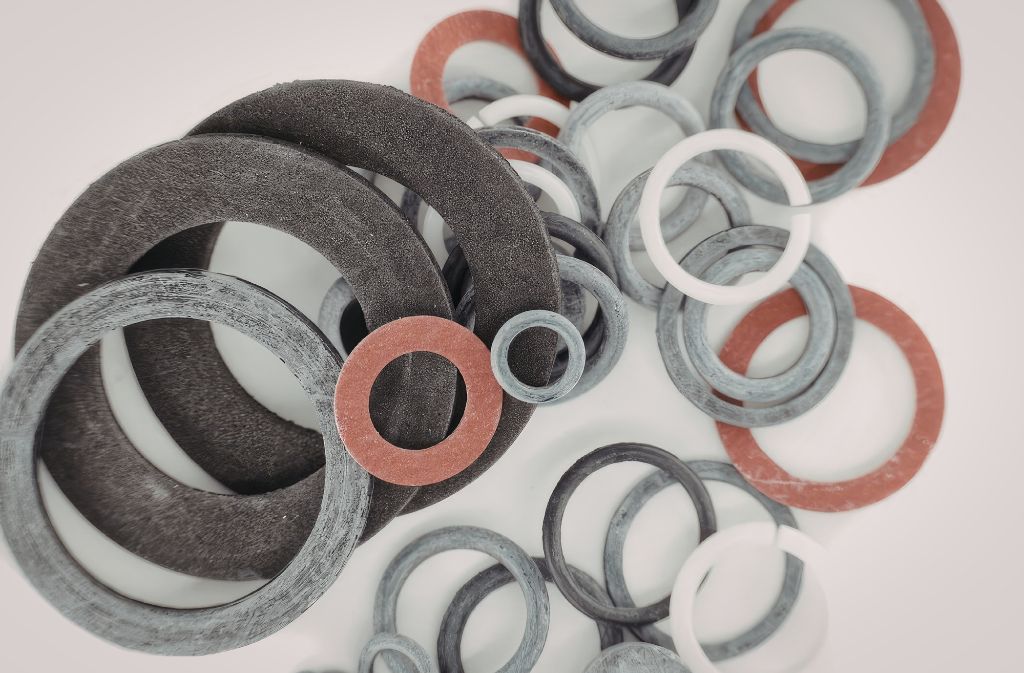
In processing environments where product integrity is non-negotiable, sealing components rarely get the attention they deserve until something goes wrong. A failed seal in a dairy line, a contaminated batch in pharmaceutical production, or an unexpected shutdown in a beverage filling system — these events trace back, more often than people expect, to a gasket that was either incorrectly specified or not suited for the actual operating conditions it was placed into.
Choosing the right sealing material is not purely a procurement task. It sits at the intersection of regulatory compliance, process chemistry, temperature cycling, cleaning protocols, and long-term reliability. For engineers, maintenance managers, and procurement leads working across food-adjacent industries, understanding what drives gasket selection means fewer failures, fewer unplanned stops, and more defensible decisions during audits or process reviews.
This article walks through the core considerations that should shape your selection process, organized around the distinct demands of dairy, beverage, and pharmaceutical processing environments.
What Makes a Gasket Food Grade — and Why It Matters in Practice
A food grade gasket is not simply a gasket made from a softer or cleaner-looking material. The designation refers to a set of material properties and regulatory standards that confirm the gasket will not transfer harmful substances into a product stream under defined conditions. This includes resistance to leaching, migration of plasticizers or additives, and biological growth within the gasket material itself over time.
The most widely referenced standard for food contact materials in processing equipment is FDA 21 CFR, which outlines acceptable substances for food contact applications. Materials that comply with this framework, along with European equivalents such as EC 1935/2004, are generally considered the baseline for what qualifies. But compliance with a standard is a starting point, not a complete answer. A food grade gasket must also perform reliably within the specific mechanical and chemical conditions it will encounter, which is where the real selection work begins.
Material certification matters less if the gasket degrades prematurely, absorbs process fluids, or loses its sealing integrity after repeated cleaning cycles. The regulatory status of a material and its operational fitness are two separate evaluations that need to happen in parallel.
The Role of Material Composition in Long-Term Performance
Elastomers used in food processing gaskets — including EPDM, silicone, PTFE, and Buna-N — each carry different resistance profiles. The issue is that a material performing well in one application may degrade rapidly in another. EPDM, for example, handles steam and hot water exceptionally well, making it a common choice in dairy pasteurization lines. However, it performs poorly when exposed to petroleum-based lubricants or certain cleaning solvents, and selecting it for an environment where those substances are present would compromise both the seal and the product stream.
Silicone-based gaskets offer broad temperature tolerance and are frequently specified in pharmaceutical applications where flexibility across wide temperature ranges is required. But silicone can swell when exposed to certain ketones or aromatic compounds, which limits its use in some beverage processing contexts where flavor carriers or alcohol-based sanitizers are part of the cleaning cycle.
Understanding the material’s full resistance profile — not just its temperature rating or general food-safe status — is what separates a durable installation from one that requires frequent intervention.
Dairy Applications: Pressure, Temperature, and Cleaning Cycle Intensity
Dairy processing lines present a combination of challenges that few other food environments replicate. Product temperatures shift significantly between pasteurization phases, cooling stages, and ambient holds. Cleaning protocols, particularly clean-in-place systems, cycle through caustic alkalis and acidic rinses at elevated temperatures on a regular basis. The gaskets in this environment must maintain their seal integrity and dimensional stability across all of these transitions without becoming brittle, swelling, or developing surface pitting that creates harborage points for bacterial growth.
Surface smoothness is a practical concern that often gets overlooked in spec discussions. A gasket that develops micro-fissures or surface roughness over time creates areas where milk proteins, fats, or cleaning residues can accumulate. In regulated dairy environments, those accumulation points represent sanitation failures that can trigger corrective action during third-party audits or regulatory inspections.
CIP Compatibility as a Durability Benchmark
Clean-in-place systems rely on the assumption that all wetted components — including gaskets — can withstand repeated chemical exposure without degrading or releasing material into the product stream. For gaskets in dairy lines, this means evaluating resistance to sodium hydroxide at elevated temperatures, nitric acid rinses, and occasionally iodine-based or quaternary ammonium sanitizers.
Gaskets that are chemically compatible with the product but not with the cleaning regime will fail prematurely and in ways that may not be immediately visible. A gasket that appears intact during a visual inspection may have already undergone internal swelling or partial chemical breakdown that reduces its compression set and sealing force. Scheduled replacement intervals based on operational hours and cleaning cycles — rather than visual condition alone — tend to produce more reliable outcomes in high-CIP environments.
Beverage Applications: Flavor Integrity and Sanitizer Compatibility
Beverage processing introduces a specific concern that dairy and pharmaceutical environments handle differently: flavor transfer and absorption. Elastomers are not entirely inert, and certain gasket materials will absorb trace compounds from the product stream over time. When those same materials later come into contact with a different product — especially in facilities that process multiple SKUs or flavor variants — absorbed compounds can migrate back into the new product.
This is a particular issue in breweries, juice processing lines, and flavor-sensitive beverage applications. Operations running multiple products through shared equipment need gasket materials with the lowest possible absorption tendency. PTFE-encapsulated gaskets or dense silicone formulations are often preferred in these environments precisely because their surface characteristics limit compound absorption and release.
Alcohol and Acid Tolerance in Shared Production Lines
Beverage facilities producing alcohol, carbonated products, or acidic juices create conditions where gasket material selection becomes a balance between multiple chemical resistance requirements simultaneously. Acids present in fruit juices will affect materials differently than the ethanol content in fermented beverages, and facilities processing both within the same lines need materials that can handle both without compromise.
The cleaning agents used between runs add another variable. Alcohol-based sanitizers, commonly used in beverage environments, affect certain elastomers differently than the caustic or acid cycles used in dairy. Reviewing a material’s full chemical compatibility chart — not just its headline specifications — gives a more accurate picture of how it will hold up across an entire operational cycle.
Pharmaceutical Applications: Extractables, Traceability, and Regulatory Documentation
Pharmaceutical manufacturing operates under more structured regulatory expectations than food processing. Gaskets used in drug product contact surfaces must meet requirements that go beyond general food-safe certification. Extractables and leachables testing — which evaluates what compounds a material releases under stress conditions — is a standard part of validation in pharmaceutical environments.
This changes the procurement process considerably. Rather than selecting a material category and sourcing from any compliant manufacturer, pharmaceutical operations typically require full material traceability, batch-specific certifications, and documentation that supports process validation and regulatory submissions. A food-grade gasket suitable for a dairy line may carry appropriate certifications but still lack the documentation depth required to support a pharmaceutical validation package.
Compression Set and Dimensional Stability Over Time
Pharmaceutical processing equipment often operates under tightly controlled conditions where consistent sealing force is important not just for product integrity but for maintaining validated process parameters. Gaskets that lose compression set over time — meaning they no longer return to their original thickness after repeated compression — can cause gradual changes in pressure, flow behavior, or seal tightness that fall outside validated limits.
This makes compression set resistance a meaningful specification consideration, particularly in applications involving autoclaving, repeated sterilization cycles, or sustained elevated temperature exposure. Materials with lower compression set values maintain their mechanical properties longer, reducing the risk of out-of-specification conditions developing between scheduled maintenance intervals.
Cross-Industry Considerations That Apply Regardless of Vertical
While each processing environment has specific requirements, several principles apply broadly across dairy, beverage, and pharmaceutical applications.
- Gasket selection should always account for the full operational cycle — product contact, cleaning, sanitizing, and any sterilization steps — rather than product contact conditions alone.
- Material certifications confirm regulatory acceptability but do not replace operational fitness assessments based on actual process chemistry and temperatures.
- Surface finish and material porosity affect sanitation performance independent of chemical compatibility, particularly in high-hygiene environments.
- Replacement intervals should be based on operational parameters rather than visual inspection alone, since internal material degradation often precedes visible failure.
- Documentation requirements vary significantly between food and pharmaceutical environments; procurement decisions should account for the full certification and traceability requirements before selecting a supplier.
Consistency in gasket performance is directly connected to consistency in process outcomes. An undersized or misspecified sealing component introduces variability into a system that depends on tight control, and that variability rarely stays contained to the sealing point alone.
Conclusion
Gasket selection in regulated processing environments is a practical engineering and compliance decision, not a minor procurement detail. The differences between dairy, beverage, and pharmaceutical applications are real and consequential — in the materials that hold up, the documentation that supports them, and the failure modes that emerge when the wrong specification is applied to a demanding process.
Making the right choice requires a clear understanding of what the gasket will actually encounter during its service life: the product chemistry, the cleaning regime, the temperature range, and the mechanical conditions of the specific installation. Prioritizing operational fitness alongside regulatory compliance, and building replacement protocols based on cycle data rather than appearance will consistently produce more reliable results than selecting on certification status alone.
For engineers and maintenance teams managing multiple processing lines across different product categories, building a structured approach to gasket specification — one that accounts for all phases of the operating cycle — reduces unplanned downtime, supports audit readiness, and protects product quality over the long term.
For more, visit Pure Magazine