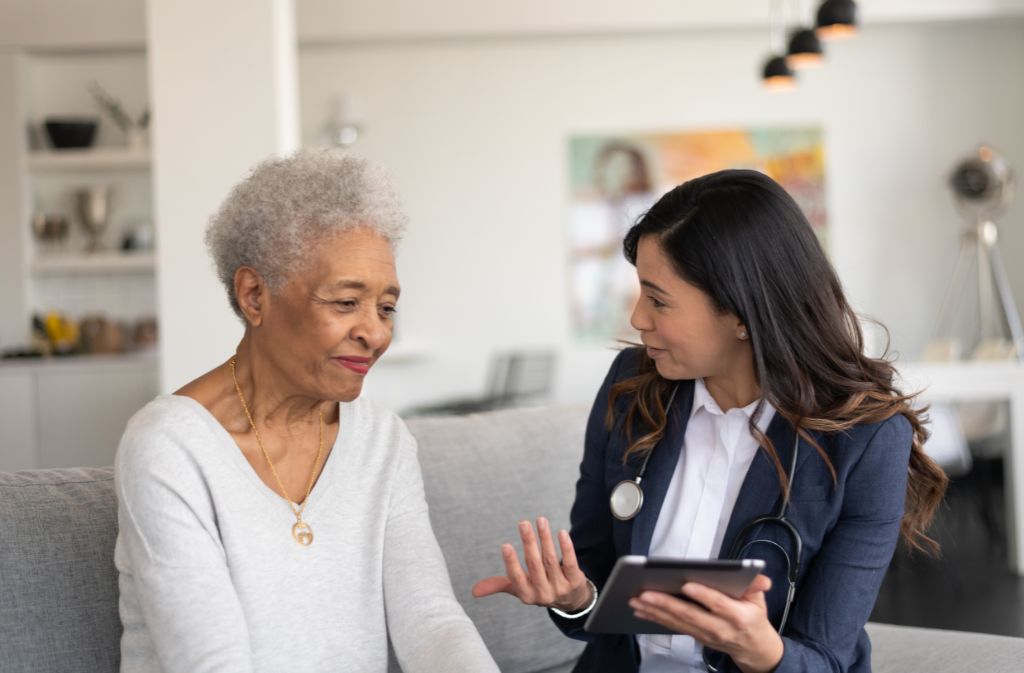
As people grow older, their needs often change, but the need for connection remains just as important. In fact, community can become even more valuable in later life, offering comfort, companionship, purpose and a stronger sense of belonging. Whether someone is living independently, with family or in a care setting, feeling part of a supportive community can have a meaningful impact on their wellbeing.
Reducing Loneliness and Isolation
Loneliness is one of the biggest challenges many older people face. Retirement, bereavement, reduced mobility and family members living further away can all make social contact less frequent. Without regular interaction, it is easy for someone to feel disconnected from the world around them.
A strong community helps reduce this sense of isolation. Simple daily conversations, shared meals, group activities and familiar faces can make a huge difference. Even small moments of connection, such as chatting over a cup of tea or joining in with a hobby group, can help someone feel seen, valued and included.
Supporting Emotional Wellbeing
Community is not just about being around other people. It is about feeling supported. Having people nearby who care, listen and understand can improve mood and confidence. Older adults who feel connected are often better able to cope with life changes, health challenges and periods of uncertainty.
Shared experiences can also be reassuring. In later life, many people are adjusting to similar changes, such as adapting to new routines, managing health conditions or finding new ways to stay active. Being part of a community where others understand these experiences can provide comfort and encouragement.
Encouraging Purpose and Routine
A sense of purpose is important at every stage of life. In later years, community can help create structure and motivation. Regular activities, social events, clubs and shared responsibilities can give people something to look forward to.
This could be anything from gardening and crafts to gentle exercise, music sessions, book groups or volunteering. These activities are not only enjoyable but also help older people maintain skills, build confidence and feel that they are still contributing.
Promoting Better Health
Social connection can also support physical health. When older people are part of an active community, they may be more likely to take part in movement, attend appointments, eat well and maintain daily routines. Encouragement from others can make healthy habits feel easier and more enjoyable.
For those needing extra support, choosing the right care environment can play an important role. Families looking for a nursing care home Andover may want to consider not only the level of care provided, but also how the home encourages friendship, activities and meaningful social interaction.
Helping Families Feel Reassured
Community benefits families too. Knowing that an older loved one has regular companionship, support and stimulation can bring real peace of mind. It can be reassuring to know they are not spending long periods alone and have people around them who know their needs, interests and personality.
A Vital Part of Ageing Well
Later life should not mean losing connection. With the right support, older people can continue to build friendships, enjoy new experiences and feel part of something meaningful. Community brings warmth, security and purpose, making it an essential part of ageing well.
For more, visit Pure Magazine