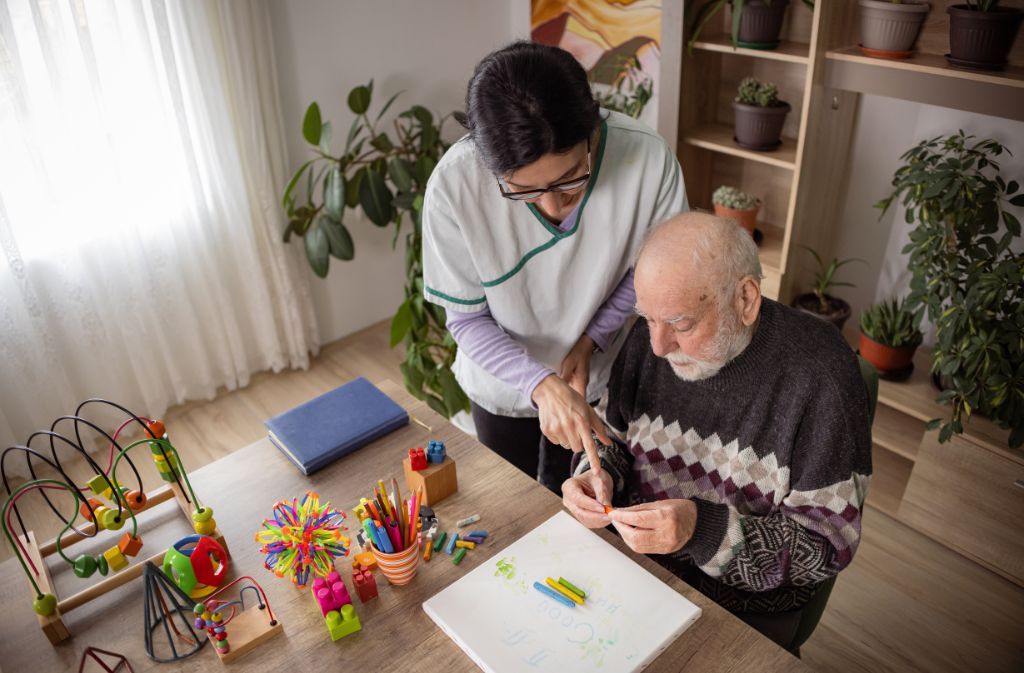
Feeling safe matters at every stage of life, but for someone living with dementia, it can become one of the most important parts of daily wellbeing. Dementia can affect memory, communication, judgment, and the way a person understands the world around them. This can make familiar places feel confusing, everyday routines feel harder to follow, and small changes feel overwhelming.
When a person feels secure, supported, and understood, they are more likely to feel calm, confident, and able to enjoy meaningful moments throughout the day.
Safety Reduces Anxiety
Dementia can make it harder for someone to process their surroundings. A once familiar room may suddenly feel strange, or a simple change in routine may cause worry. This uncertainty can lead to anxiety, agitation, or distress, particularly if the person cannot explain what they are feeling.
A safe environment helps reduce these feelings. Clear layouts, gentle lighting, familiar objects, and consistent routines can all create reassurance. When someone knows where they are, who is around them, and what is likely to happen next, daily life can feel less frightening.
Familiar Routines Build Confidence
Routine is often very helpful for people living with dementia. Regular mealtimes, familiar carers, predictable activities and consistent sleep patterns can provide structure when memory becomes less reliable.
This does not mean life should feel rigid or dull. Instead, a steady routine creates a framework that helps a person feel more in control. Within that structure, there can still be room for hobbies, conversations, music, gentle exercise, and quiet time.
For families looking for specialist support, a dementia care home Fareham can provide a safe, understanding environment where routines are built around individual needs.
Physical Safety Supports Independence
Feeling safe is not only about emotional comfort. Physical safety is also essential. Dementia can affect balance, spatial awareness and decision-making, which may increase the risk of falls, wandering or accidental injury.
A well-designed living environment can reduce these risks without making a person feel restricted. Simple changes such as clear walkways, supportive handrails, secure outdoor areas and easy-to-read signs can help someone move around with greater confidence.
The aim should always be to support independence, not remove it. When safety measures are handled thoughtfully, they allow people to keep doing as much as possible for themselves.
Emotional Security Comes From Trust
People living with dementia often rely heavily on the emotional tone of those around them. A calm voice, patient response and kind facial expression can make a real difference. Even when words are forgotten, feelings often remain.
Trust builds when carers, relatives and friends respond with consistency and compassion. Listening carefully, allowing extra time, avoiding confrontation and offering gentle reassurance can help someone feel respected rather than rushed or corrected.
Safety Helps Families Feel Reassured Too
Dementia affects the whole family, not just the person with the diagnosis. Loved ones may worry about whether someone is eating properly, taking medication, staying safe at night, or coping emotionally.
Knowing that a person is in a secure, caring, and dementia-aware environment can bring peace of mind. It allows families to focus more on connection, companionship, and shared moments, rather than constant worry.
Ultimately, feeling safe helps people living with dementia feel more settled, valued, and themselves. With the right support, familiar routines and compassionate care, safety becomes the foundation for dignity, comfort and better quality of life.
For more, visit Pure Magazine