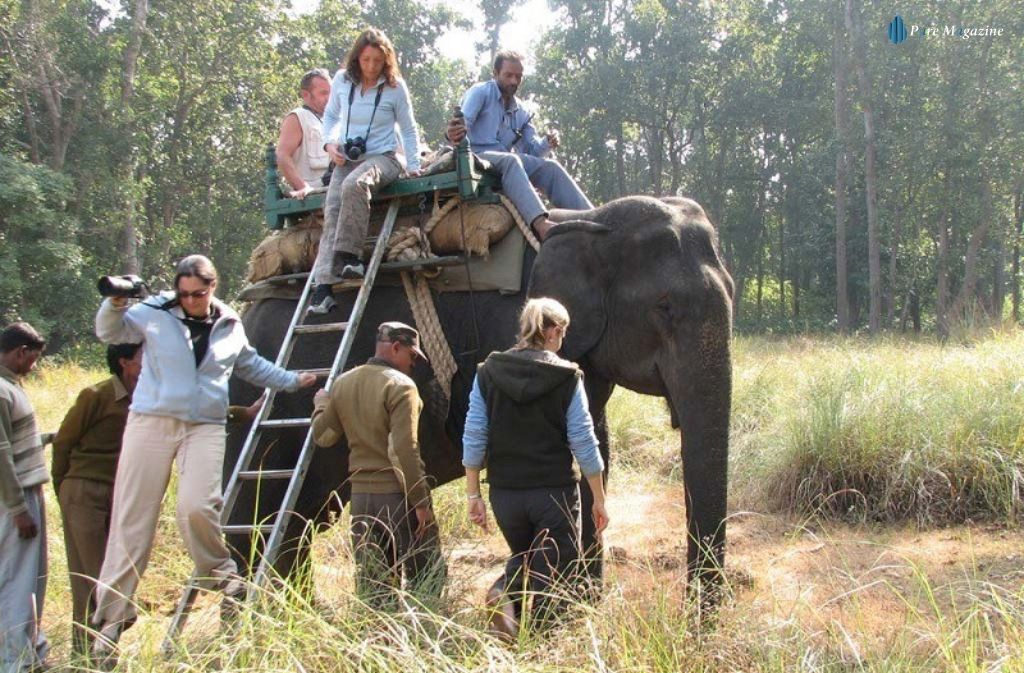
If you’ve ever dreamed of riding through tall sal forests while the morning mist curls around ancient trees, Kanha National Park is one of those rare places where that dream feels real. Home to majestic tigers, gentle elephants, and a jungle that still echoes with stories of Mowgli and the wild, Kanha is more than a destination—it’s an experience you can feel in your bones.
And yes, one of the most fascinating ways to explore this park is through an elephant safari. But how much does it really cost, and what can you expect when you sign up for one? Let’s dive into the details in a way most travel brochures never quite do.
What Makes the Elephant Safari at Kanha So Special
While jeep safaris cover more ground, elephant safaris offer something entirely different—proximity and perspective. From the elephant’s back, you move quietly through the jungle, almost at the same pace as the forest itself. There’s no engine sound, just the rhythmic creak of the saddle and the occasional call of a langur warning others that you’re passing by.
Trained mahouts guide you safely, sharing stories about tiger trails, salt licks, and the secret watering holes that only a few ever get to see. It’s short—usually 1 to 1.5 hours—but it feels timeless.
Elephant Safari Price at Kanha National Park (2025 Updated Rates)
The elephant safari cost in Kanha varies slightly depending on the zone and season. However, here’s what you can expect in 2025:
| Category | Approx. Price (INR) | Approx. Price (USD) | Duration | Zone |
|---|---|---|---|---|
| Indian Tourists | ₹1,500 – ₹2,200 per person | $18 – $26 | 1 – 1.5 hours | Kanha/Kisli Zone |
| Foreign Tourists | ₹3,000 – ₹3,500 per person | $36 – $42 | 1 – 1.5 hours | Kanha/Kisli Zone |
| Full Elephant Hire (Private) | ₹6,000 – ₹7,500 | $72 – $90 | 1.5 hours | Limited availability |
Note: The rates can vary depending on park management policies and seasonal demand. Elephant rides are limited and often booked only on spot at the forest office, usually early morning before safaris start.
Comparing Jeep vs. Elephant Safari Costs
If you’re planning your trip, it helps to understand the overall Kanha safari cost structure. Jeep safaris are booked in advance through the government website, while elephant safaris are managed locally.
| Safari Type | Price Range (INR) | Price Range (USD) | Duration | Booking Method |
|---|---|---|---|---|
| Jeep Safari (Indian tourists) | ₹2,500 – ₹3,500 per person | $30 – $42 | 3 – 4 hours | Online/Government portal |
| Jeep Safari (Foreign tourists) | ₹4,000 – ₹6,000 per person | $48 – $72 | 3 – 4 hours | Online |
| Elephant Safari | ₹1,500 – ₹3,500 per person | $18 – $42 | 1 – 1.5 hours | On-spot |
If your goal is to spot tigers, you can actually combine both. Jeep safaris cover the zones, while elephants (if available) take you deeper into areas where tiger tracking is reported.
Safari Timings & Best Seasons to Visit
Kanha National Park usually operates from October to June, closing during the monsoon.
- Morning Safari: 6:00 AM – 11:00 AM
- Evening Safari: 3:00 PM – 6:00 PM
- Park Closure: July to mid-October
Winter months (November to February) are magical—the golden light filters through misty trees, and the animals are most active. Elephant safaris typically operate in the morning, as visibility and tracking are easier.
How to Book an Elephant Safari at Kanha
Unlike jeep safaris, you can’t pre-book elephant rides online. They’re usually arranged on the spot at the Kanha or Kisli gate forest office, depending on availability.
Steps for booking:
- Reach the safari gate early (around 6 AM).
- Visit the forest department counter and inquire about elephant rides.
- Carry your ID proof and park entry ticket.
- If space is available, you’ll be assigned a time slot and mahout.
Some high-end jungle lodges also assist guests with these bookings, but it’s always subject to forest department permission.
Why Kanha Is Worth the Journey
Every national park in India has its charm, but Kanha is something else. The vast meadows, dense sal trees, and clear streams create a rare combination of beauty and wilderness. Here, you’re not just seeing nature—you’re immersed in it.
When the elephant moves, the forest moves with it. You might spot a spotted deer staring back at you, or hear the sudden alarm call of a sambhar that makes your heart race. Moments like these can’t be measured in rupees or dollars.
Practical Tips Before You Go
- Book Jeep Safaris online (on kanha-national-park.com or the official MP forest website).
- Carry cash: Elephant rides are usually paid locally.
- Clothing: Neutral colors, light layers, and a cap for sun protection.
- No flash photography: It disturbs wildlife and may lead to penalties.
- Stay hydrated: The park can get warm during midday hours.
A Glimpse into the Wild — The Real Value
The truth? You don’t ride an elephant at Kanha for luxury—it’s for connection. To see the jungle from an animal’s pace, to listen instead of rush, and to feel part of the rhythm of the wild.
Prices change, zones differ, and rules evolve—but what remains constant is that deep sense of wonder you’ll feel the first time a tiger’s stripes flash between the trees.
So when someone asks, “How much is the elephant safari in Kanha National Park?”, the answer isn’t just ₹1,500 or $18. It’s a memory that will outlast any receipt.
FAQs
Q1. How much is the elephant safari in Kanha National Park per person?
It costs around ₹1,500–₹2,200 ($18–$26) for Indian visitors and ₹3,000–₹3,500 ($36–$42) for foreign tourists, depending on the season and zone.
Q2. Can I book an elephant safari online?
No. Elephant safaris are booked only in person at the forest office, usually on a first-come, first-served basis.
Q3. What’s the difference between a jeep and an elephant safari?
Jeeps cover larger areas faster, while elephants access dense forest areas quietly, offering close-up wildlife views.
Q4. Is Kanha open all year?
No, the park remains closed from July to mid-October due to the monsoon season.
Q5. What’s the best time for an elephant safari?
Early morning hours in winter (Nov–Feb) offer the best chance to see wildlife in motion.
Visit: Pure Magazine