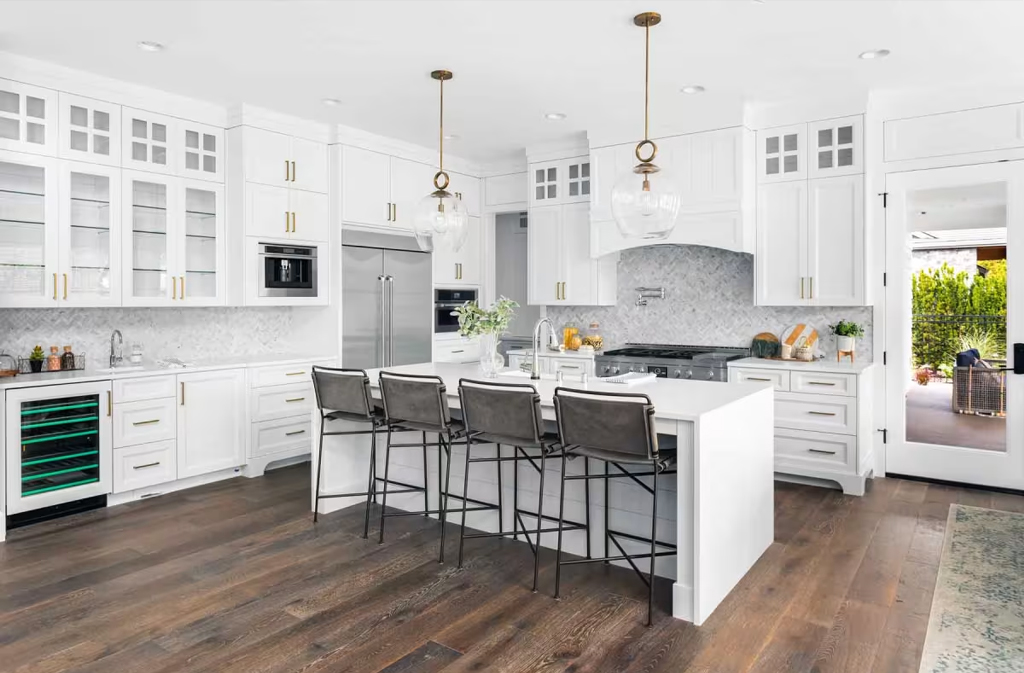
The kitchen is often considered the heart of the home, serving as a space for cooking, dining, socializing, and creating memories. A well-designed kitchen can elevate the functionality of your home, improve its aesthetic appeal, and even increase property value. Over time, kitchens can become outdated or inefficient, making kitchen remodeling an attractive solution for homeowners seeking both modern style and practicality. This comprehensive guide explores the essential aspects of kitchen remodeling, including planning, design considerations, materials, appliances, and common pitfalls to avoid.
Understanding the Importance of Kitchen Remodeling
A kitchen remodel goes beyond simple cosmetic upgrades. It is a strategic investment in the functionality, efficiency, and overall ambiance of a home. Modern kitchen remodeling emphasizes open layouts, optimized storage, energy efficiency, and high-quality finishes that stand the test of time. Whether the goal is to create a space better suited for cooking, entertaining, or family gatherings, a well-planned remodel can transform an ordinary kitchen into a versatile, inviting, and visually stunning environment.
Planning Your Kitchen Remodeling Project
Proper planning is the foundation of any successful kitchen remodeling project. Before selecting materials or appliances, homeowners should consider their priorities, budget, and long-term goals.
- Assessing Current Kitchen Needs
Start by evaluating your current kitchen layout and identifying the areas that require improvement. Consider aspects such as storage space, countertop surfaces, lighting, ventilation, and traffic flow. Understanding how your family uses the kitchen will guide design decisions that enhance functionality. - Setting a Realistic Budget
A clear budget is crucial to ensure that the project remains financially manageable. Include costs for materials, labor, appliances, permits, and unexpected contingencies. Allocating funds strategically allows homeowners to invest in high-impact areas without overspending. - Defining the Style and Design
Kitchen remodeling offers an opportunity to reflect personal taste and design preferences. Popular styles include contemporary, traditional, farmhouse, and minimalist. Color schemes, cabinet finishes, countertop materials, and flooring choices should align with the overall aesthetic of the home while creating a cohesive and inviting environment. - Prioritizing Functionality
Efficiency and convenience are key components of a successful kitchen remodel. Consider the classic kitchen work triangle, which connects the sink, stove, and refrigerator, and ensures that these areas are easily accessible. Additionally, optimizing storage solutions, countertop space, and appliance placement can make daily cooking and cleaning routines more seamless.
Key Components of Kitchen Remodeling
A thorough kitchen remodel involves multiple elements that must work together to achieve both style and function.
Cabinetry and Storage Solutions
Cabinets are among the most critical features of any kitchen remodel. Modern kitchen remodeling often incorporates custom or semi-custom cabinets with built-in organizers, pull-out drawers, lazy Susans, and other innovations that maximize storage efficiency. High-quality cabinetry not only enhances functionality but also contributes to the overall aesthetic of the space.
Countertops and Surfaces
Countertop materials play a significant role in both durability and visual appeal. Popular options include granite, quartz, marble, solid surface, and butcher block. Each material offers unique benefits regarding heat resistance, maintenance, and style. Selecting a countertop that complements cabinetry, flooring, and backsplash ensures a harmonious design.
Flooring Options
Kitchen flooring must withstand high traffic, spills, and frequent cleaning. Materials such as hardwood, tile, vinyl, and engineered stone provide durability and style. Consider the balance between functionality, comfort, and visual appeal when selecting flooring for your remodel.
Lighting and Electrical Fixtures
Proper lighting enhances the functionality and ambiance of a kitchen. Layered lighting, including task, ambient, and accent lights, ensures adequate illumination for cooking, dining, and entertaining. Under-cabinet lighting, pendant lights, and recessed fixtures are popular solutions that combine practicality with aesthetic appeal.
Appliances and Fixtures
Upgrading appliances and fixtures is often a focal point of kitchen remodeling. Modern appliances offer energy efficiency, advanced features, and sleek designs that complement the overall kitchen style. Faucets, sinks, and hardware should be chosen for both functionality and design cohesion, ensuring that every element contributes to a cohesive look.
Backsplashes and Wall Treatments
Backsplashes serve both functional and decorative purposes, protecting walls from spills and adding a visual focal point. Materials range from ceramic and glass tiles to stainless steel and stone, offering endless design possibilities. Selecting a backsplash that coordinates with countertops and cabinetry enhances the overall appeal of the kitchen remodel.
Trends in Modern Kitchen Remodeling
Current kitchen remodeling trends emphasize the combination of aesthetics, efficiency, and sustainability. Open-concept layouts, minimalist designs, and multifunctional islands are increasingly popular, allowing for enhanced interaction and workflow. Eco-friendly materials, energy-efficient appliances, and smart home integrations also play a significant role, providing convenience while reducing environmental impact.
Choosing the Right Materials and Finishes
Material selection can significantly impact the longevity, appearance, and maintenance of a remodeled kitchen. High-quality materials not only look appealing but also withstand the rigors of daily use. Consider durability, ease of cleaning, resistance to moisture and heat, and long-term aesthetic appeal when choosing cabinets, countertops, flooring, and hardware. Proper coordination of colors, textures, and finishes ensures that the remodeled kitchen achieves a cohesive and inviting design.
Professional Installation vs. DIY
While some homeowners may consider tackling a kitchen remodel themselves, hiring professional contractors often yields superior results. Skilled professionals bring expertise in design, construction, electrical work, plumbing, and permits, reducing the risk of errors and ensuring a smoother project timeline. A professional installation also ensures that materials are properly handled, appliances are correctly installed, and structural modifications comply with safety standards.
Common Challenges in Kitchen Remodeling
Even with careful planning, kitchen remodeling can present challenges that require attention and problem-solving. Space constraints, unexpected structural issues, and delays in material delivery are common obstacles. Additionally, balancing aesthetics, functionality, and budget can be complex, requiring careful prioritization and flexibility throughout the project. Awareness of these potential challenges allows homeowners to prepare for contingencies and make informed decisions.
Maintenance and Longevity
Once a kitchen remodel is complete, proper maintenance ensures that the space continues to look and function at its best. Regular cleaning, inspection of appliances and fixtures, and prompt repairs prevent deterioration and extend the life of countertops, cabinets, flooring, and other components. Selecting high-quality materials during the remodel reduces long-term maintenance needs, providing a beautiful and functional kitchen for years to come.
Benefits of Kitchen Remodeling
Investing in kitchen remodeling offers numerous advantages that go beyond immediate aesthetic improvements. A well-executed remodel increases property value, improves energy efficiency, enhances storage and workflow, and creates a space that better supports the needs of the household. Whether the goal is to accommodate a growing family, create an entertaining hub, or simply modernize an outdated kitchen, the benefits of a thoughtful kitchen remodel are substantial and enduring.
Conclusion
Kitchen remodeling is an investment that transforms both the functionality and appearance of a home. By carefully planning the project, selecting high-quality materials, integrating modern appliances, and prioritizing efficient layouts, homeowners can create a kitchen that is beautiful, practical, and long-lasting. Beyond aesthetics, a remodeled kitchen enhances daily living, supports healthy cooking and entertaining, and adds measurable value to a property. Properly executed, kitchen remodeling combines style, function, and efficiency, resulting in a space that remains the heart of the home for years to come.
Visit our website: Pure Magazine