Somewhere in your house, there’s probably a deck of cards with a bent corner and a missing joker. Nobody remembers buying it. Somebody’s uncle taught a game with it once, and the rules stuck.
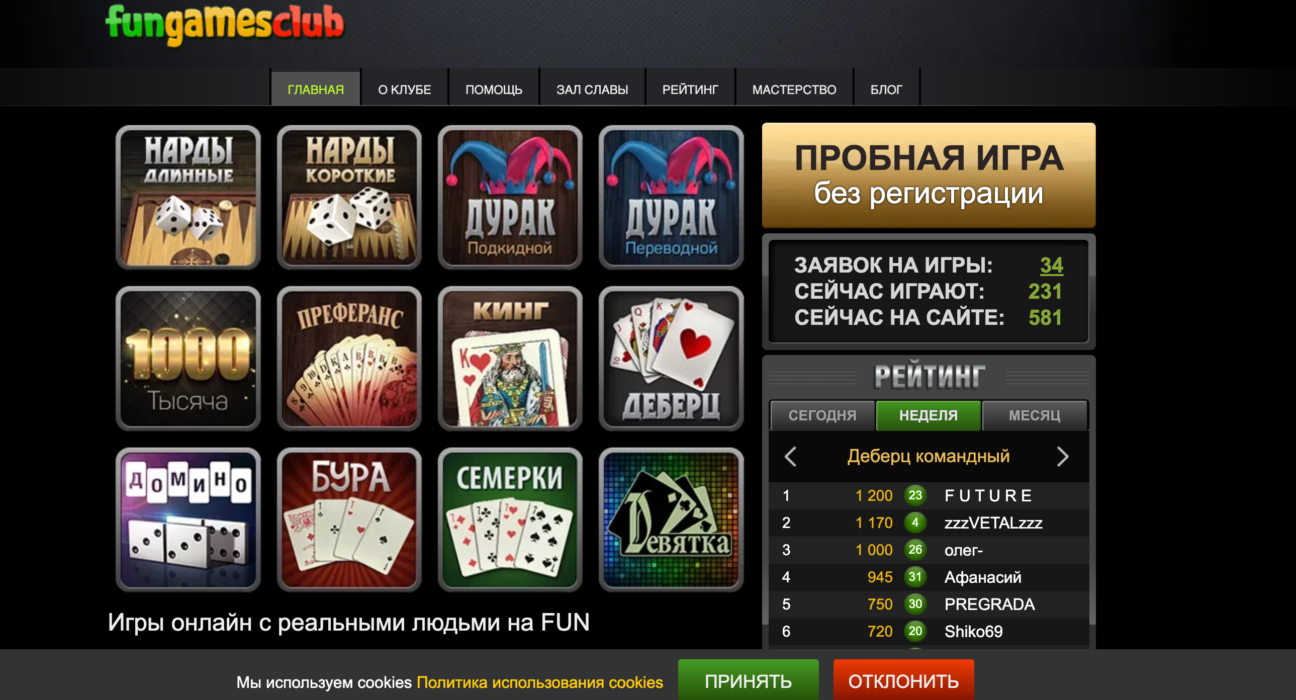
Those games didn’t disappear when AI showed up. They just changed addresses. Good old card games like Durak, backgammon and dominoes now run in a browser tab. Your opponent might be a cousin in Toronto or a computer that never gets tired of losing to you.
So why do these old favourites hang on so stubbornly? And what does Durak actually look like once you sit down to play?
Why Are Classic Card Games Popular Again in the AI Era?
Think about a normal workday in 2026. Software writes your first draft. It summarises the meeting you half-listened to. It suggests your reply before you’ve read the email properly.
By evening, plenty of people want the opposite. Knitting, pottery and jigsaw puzzles keep winning over adults who spend all day staring at screens. Card games scratch the same itch. Nobody autocompletes your next move. You hold the cards, you make the call, and you live with it.
There’s a brain angle too. When software handles the remembering and deciding for us, those skills get less exercise. A game of Durak asks for the opposite habit. You have to remember which trumps already hit the table, guess what your neighbour is hoarding, and plan two bouts ahead. No assistant helps.
And honestly? It’s just fun. The rules fit on a napkin. Every shuffle starts a new story. And it’s hard to beat the moment a smug friend gets stuck with the whole pile.
What Is Durak, the Card Game Known as “Fool”?
Durak is Russian for “fool.” That tells you most of what you need to know about the game’s personality. Nobody wins Durak. Players simply escape, one by one, until a single unlucky person remains holding cards. That person is a fool, usually to loud applause.
The game spread across Russia and the former Soviet states and became a fixture of long train rides, summer dachas and school breaks. Almost every family there has its own house rules, and most will defend them fiercely.
You play with 36 cards, sixes up to aces. A crowded kitchen table can squeeze in six players, though most online rooms seat two to four. An online game of Fool keeps all the familiar rules but solves the oldest problem in card games: finding people to play with at 1 a.m.
How Do You Play Durak? The Rules in 60 Seconds
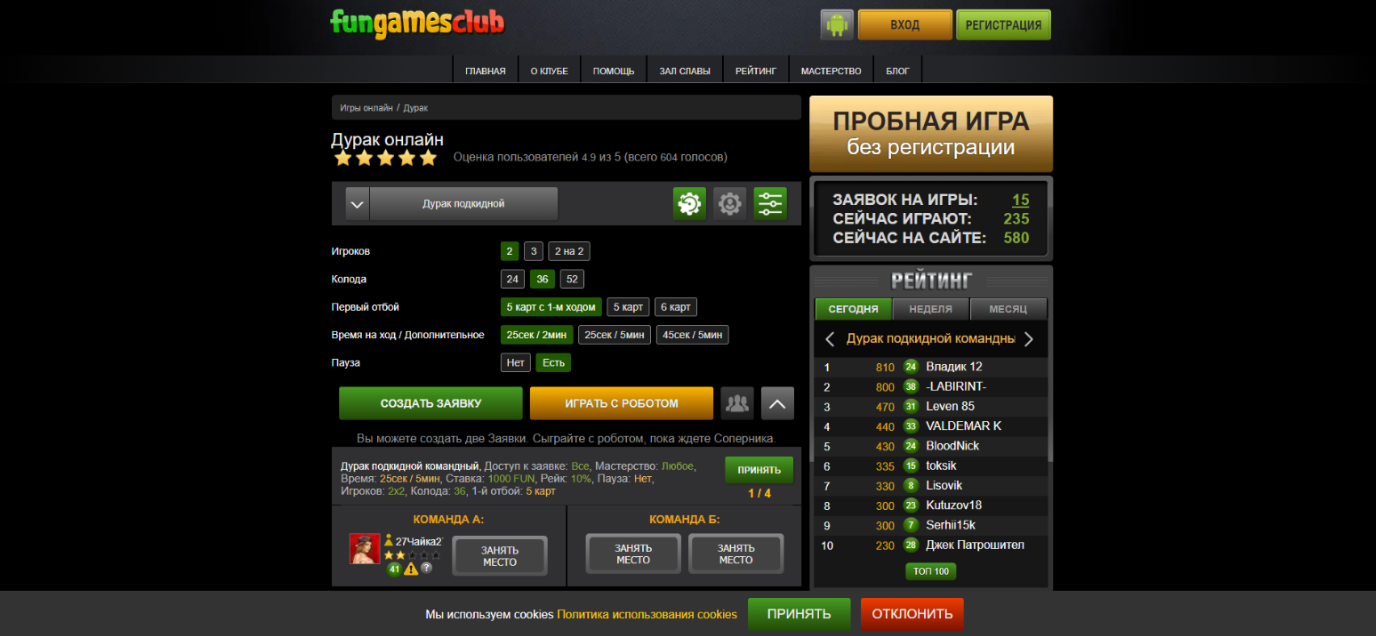

Durak reads complicated things on paper. Play one round, and it clicks.
- Everyone gets six cards. Turn the next card face up and slide it under the stock. Its suit is trump.
- Whoever holds the lowest trump attacks first, playing a card at the player on their left.
- The defender must beat it, either with a higher card of the same suit or with any trump.
- Other players can pile on with cards matching any rank already on the table.
- A single bout tops out at six attacking cards. You also can’t throw more than the defender can answer.
- If the defender beats everything, the cards go to the discard pile. If they miss even one, they scoop up the lot.
- Everyone refills to six from the stock, attacker first.
- Once the stock runs out, players drop out as their hands empty. The last one holding cards is the fool.
A clean defence means you attack next. A failed one costs you your turn as well as the pile, and that stings.
Which Durak Variants Should You Try First?
Every family seems to have its own Durak. Online, three versions show up again and again.
| Variant | What changes | Who’ll enjoy it |
| Podkidnoy (throw-in) | Anyone can add cards matching ranks on the table | First-timers and relaxed evenings |
| Perevodnoy (transfer) | The defender can dodge by passing the attack along with a same-rank card | Players who like chaos and late comebacks |
| Team play (2 vs 2) | Partners sit opposite and never attack each other | Couples, siblings, old rivalries |
Deck size matters as well. Twenty-four cards make for short, punchy rounds. Thirty-six is the classic balance. A full 52 turns one game into an evening.
Start with throw-ins. Graduate to transfer once you’ve stopped forgetting what trump is mid-hand. Everyone does it at first.
Should You Practice Against a Computer or Real People?
Both, really. They just teach you different things.
The computer is a great sparring partner. It’s there at 3 a.m., it never sighs at your mistakes, and you can tweak the deck size or timer until it suits you. It also plays tidy, logical Durak, so lazy habits get punished fast.
People bring everything the computer can’t. They bluff and panic. They hold a trump way too long out of pure stubbornness. There’s chat and rematch talk, and a rating that climbs or slides depending on how you played.
One catch with bots: they show you that you lost, never why. Chess players know this problem well. An engine scores the mistake, but only an explanation changes how you play next time.
So after the computer beats you, pause for ten seconds. Where did the hand turn? Did you spend a trump you needed later? That small habit makes more than fifty more games on autopilot.
How Can You Win More Durak Hands? 5 Practical Habits
Luck deals the cards. Memory decides the game. Regular players lean on a few habits:
- Count the trumps. A 36-card deck holds nine of them. Know roughly how many are still out there.
- Keep your trumps for the finish. Burn them early and you’ll have nothing left when the stock dries up.
- Get rid of sixes and sevens first. They’re terrible defenders, so use them to attack.
- Watch the pickups. When someone collects a pile, you now know part of their hand.
- Lead with pairs. Two cards of the same rank give everyone more chances to throw in, and the defender feels it.
None of this is secret. It just takes a dozen games before it becomes automatic.
Which Other Well-Known Classic Board Games Belong in Your Rotation?
Durak tends to share a shelf with a few old companions:
- Long backgammon (Nardy): slow and strategic, more chess-like than people expect
- Short backgammon: quicker, with more hitting and wild swings
- Preference: a bidding game that serious card players treat almost like a sport
- Thousand: built around trump pairs and racing to a big score
- King: a shape-shifter where the goal changes from round to round
- Dominoes: looks simple, hides plenty of sneaky blocking
- Bura and Deberc: regional favourites with fiercely loyal fans
Mix them up. Dice, tiles and cards each work a slightly different muscle, and game night stays interesting.
Frequently Asked Questions
Is Durak hard to learn?
Not really. Most people get it after a round or two. Getting good takes longer, which is the fun part.
Why does Durak have no winner?
The whole game revolves around avoiding last place. Being the “fool” is the joke everyone tries to dodge.
How many cards are in a Durak deck?
Thirty-six, from sixes to aces. Online tables often offer 24- and 52-card versions too.
Can you play Durak by yourself?
Yes. Online platforms let you play against a computer opponent whenever you like.
Is Durak good for your brain?
It keeps your memory, planning and odds sense busy. Think of it as a fun mental workout, not a cure for anything.
Old Games, New Tables
AI will keep changing how we work and search, and most of that is fine. Still, some things don’t need upgrading. A tense Durak endgame doesn’t. Neither does a backgammon comeback, or a family argument over whose turn it really was.
The cards just live online now. Shuffle up, guard your trumps, and try not to be the fool.
For more, visit Pure Magazine