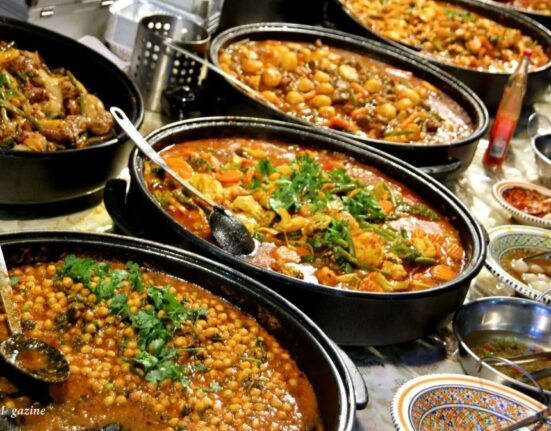
Seasonal acts of giving are more than pleasant traditions or cultural customs. They are deep expressions of empathy, connection and shared humanity. Whether driven by religious observances, cultural festivals, or simply the natural rhythm of the year, giving during specific seasons reflects our collective desire to care for one another and to recognise the rhythms that bind communities together.
The Heart of Seasonal Giving
Throughout history, humans have chosen particular times of the year to extend generosity. These moments often align with harvests, transitions in nature or spiritual calendars. The end of a year, the start of spring or the close of a religious observance can all serve as reminders that life is cyclical, precious and interconnected. When we give during these times, we aren’t just handing over gifts or money. We are participating in a ritual that affirms hope, gratitude and mutual support.
In many cultures, winter holidays prompt families to share meals and presents; spring festivals might involve visiting neighbours with baked goods or flowers. These gestures create a sense of belonging and continuity, reminding us that we are part of a larger story that extends beyond our individual concerns.
Spiritual Roots of Giving
For many faith traditions, giving is a sacred act. It is imbued with meaning that reaches beyond the material value of what is offered. In Islam, for example, charitable contributions made during significant periods carry spiritual importance. Acts like zakat or fitrana are not just obligations; they are tangible expressions of compassion for those facing hardship.
During Ramadan, the act of charitable giving is emphasised as a way to purify one’s wealth and share blessings with those in need. One example of this is Pay Fitrana, a tradition where Muslims give to a specific charity before the end of Ramadan to ensure that those less fortunate can celebrate the festival that follows. This practice highlights how acts of giving tied to the rhythm of a season can foster collective joy and dignity.
Building Community Through Generosity
Seasonal giving underscores the idea that we are woven into the lives of others. It builds bridges between neighbours, friends and even strangers. When individuals contribute to community food drives, sponsor gifts for children during holidays or support local shelters in the winter, they help create a safety net that uplifts everyone. It’s an acknowledgment that true well-being isn’t measured solely by individual success, but by the health and resilience of the community as a whole.
Giving seasonally also invites participation from people of diverse backgrounds. While the triggers for generosity may vary from culture to culture, from Chinese New Year to Diwali, from Thanksgiving to Eid, the underlying impulse to care for one another remains universal. When joined together by this impulse, communities become more compassionate and interconnected.
The Personal Impact of Giving
Engaging in seasonal giving also transforms the giver. It invites reflection on one’s own blessings and challenges and encourages a shift from self-centred thinking towards greater empathy. Studies have shown that acts of generosity can boost emotional well-being, reduce stress and deepen one’s sense of purpose. When we give, especially within meaningful contexts, we allow ourselves to experience joy that is rooted in connection rather than consumption.
Embracing the Season of Giving All Year
While specific seasons highlight acts of generosity, the spirit behind them doesn’t have to be confined to a calendar date. The value of giving (kindness, empathy and mutual support) is timeless. By carrying the lessons of seasonal giving into our daily lives, we can cultivate communities that care for one another in good times and bad.
Seasonal acts of giving remind us that generosity isn’t just an occasional gesture. It’s a way of life that enriches both the giver and the receiver.
For more, visit Pure Magazine