


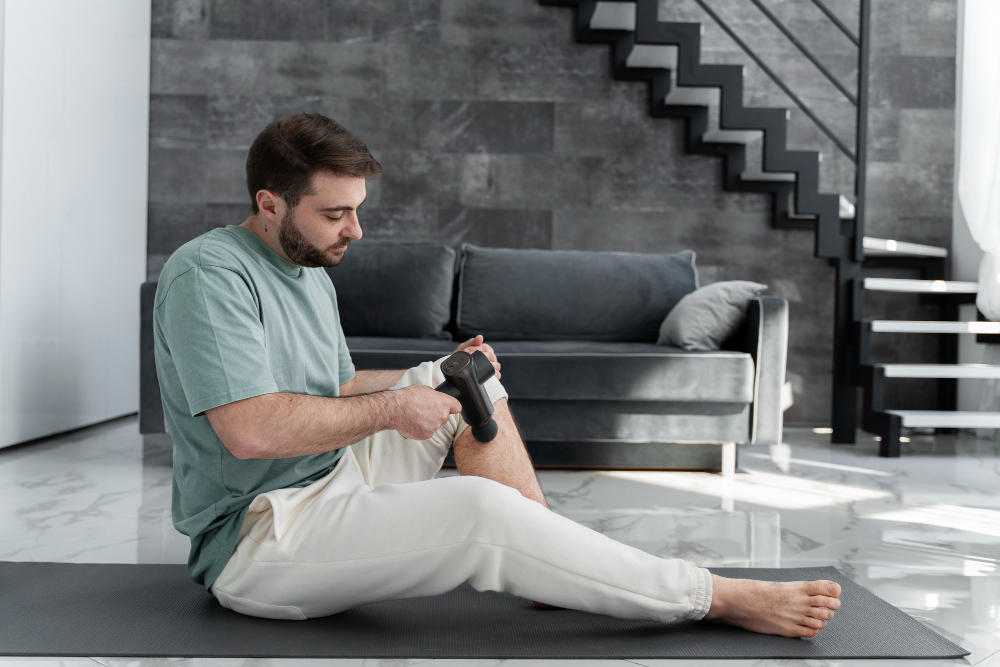
It often starts as a mild ache after walking, jogging, or climbing stairs. Many people think rest will make it go away. Sometimes it does, but the pain often comes back, stronger and more persistent.
Knee pain can disrupt daily life. It can limit movement, change how someone walks or stands, and reduce confidence in simple activities. For many, it becomes frustrating when ice, stretching, or rest do not help.
Understanding why knee pain continues despite these efforts is the first step toward proper care. Consulting an orthopaedic surgeon for knee pain can reveal the real cause, but it also helps to know what might be happening inside the knee.
When Overuse Turns Into Damage
Sometimes the body signals that something is wrong quietly, but people only notice when the pain becomes strong. Overuse is one of these early signals that can grow into serious pain.
The Hidden Toll of Repetitive Motion
Everyday activities such as walking, running, or standing for long periods rely on the knees. Repeated movement puts stress on the muscles, tendons, and ligaments that support the joint. Early damage may be hard to notice, but tiny tears can form and cause inflammation over time.
This strain can lead to conditions such as tendonitis or bursitis. These problems may start mild but can become long lasting if ignored. What begins as mild soreness can turn into strong pain that limits normal movement.
When Muscles Work Against You
Weak muscles are another common but often ignored problem. The knee depends on the quadriceps, hamstrings, and hip muscles for stability. If these muscles are weak, the joint bears extra pressure. Over time, this uneven load can cause pain even when resting.
Guided exercises with a therapist strengthen these muscles and reduce stress on the knee. Doing random workouts found online without proper guidance can sometimes make the pain worse.
The Misalignment Problem
The knee moves in a single smooth plane, like a door swinging on a hinge. Poor posture, walking style, or wrong shoes can disrupt this movement. Each step then wears the knee unevenly, and cartilage damage may start. Even with rest, repeated misalignment continues the problem.
Small adjustments such as wearing supportive shoes or improving walking mechanics can help. In more advanced cases, professional assessment is needed to prevent permanent damage.
When Rest Becomes the Wrong Medicine
Rest often feels like the natural solution. If using the knee hurts, not using it seems logical. Short rest can help, but too much can slow recovery and weaken the muscles supporting the joint.
The Trap of Inactivity
Extended rest can make the knee stiff and reduce blood flow. The muscles that support the joint begin to weaken, leaving it more likely to get injured once activity resumes. Pain then returns stronger, creating a cycle that feels hard to break.
Gentle movement, even while recovering, keeps the joint flexible and strong. Light stretching, swimming, or cycling at low intensity maintains strength without causing harm. The key is balanced movement enough to build support but not worsen the injury.
When Underlying Conditions Are Missed
Sometimes the problem is more than weak muscles or stiff joints. Arthritis, cartilage tears, or ligament injuries can slowly get worse. These conditions are not always obvious without tests or professional evaluation.
Pain that lasts for weeks or gets worse despite activity changes often signals a deeper issue. Relying only on home remedies may delay proper care. A professional can identify the real cause and make a plan that treats it directly.
Getting to the Real Cause
Knee pain that does not improve is not just a sign of aging or overuse. It can indicate structural changes or imbalances that need careful attention. Finding the cause usually requires a specialist.
An orthopaedic surgeon does more than treat pain. They look for the underlying problem using evaluation, imaging, and movement analysis. The issue may be in the cartilage, bone, or ligaments. From there, treatment may include physical therapy, injections, or other proven solutions designed to fix rather than just cover pain.
No one should live with ongoing discomfort that limits movement or enjoyment. Pain that keeps returning is the body’s way of asking for focused care. Consulting an orthopaedic surgeon is not giving up on self-care; it is giving the body a chance to heal correctly.
Real recovery begins with understanding. By treating the root cause instead of only the symptoms, lasting relief becomes possible. Each step, whether resting, moving, or seeking help, works best when guided by knowledge and care.
For more, visit Pure Magazine