


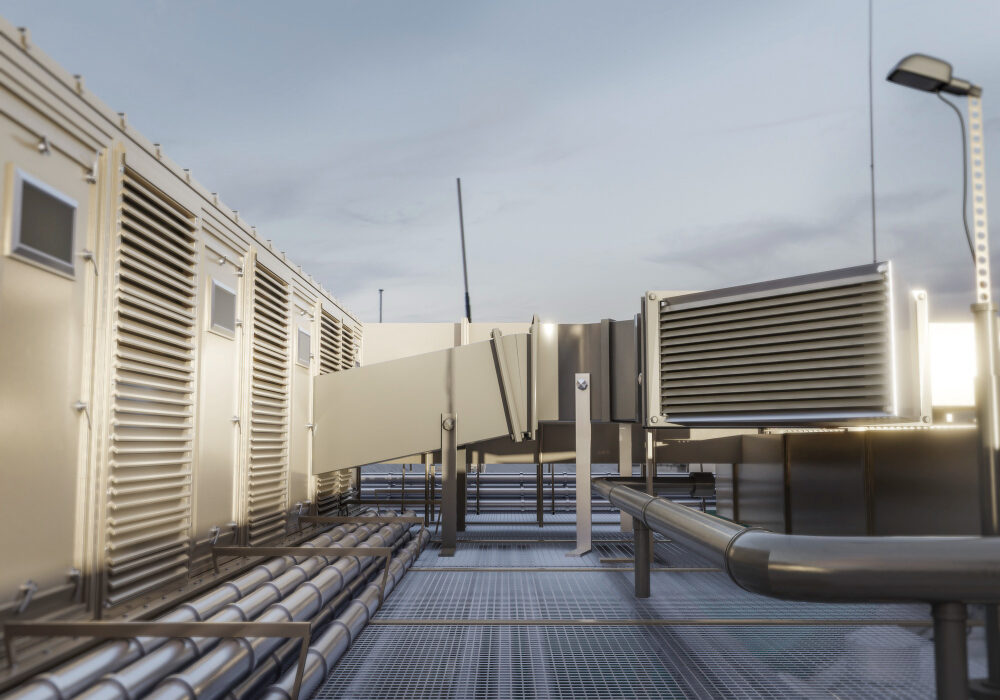
As cities grow and buildings become more advanced, the need for energy-efficient, intelligent cooling systems has never been greater. Gone are the days of basic air conditioners that simply run at full blast; today’s smart cooling solutions combine sustainability, technology, and comfort to keep occupants cool while minimising environmental impact and operating costs. In this post, we’ll explore how modern cooling technologies are reshaping building design and performance.
The Rise of Intelligent Cooling Systems
Traditional HVAC systems operate on fixed schedules or manual adjustments, often leading to wasted energy and uneven indoor temperatures. Smart cooling systems use sensors, automation, and real-time data to adapt to changing conditions inside and outside a building. This means they only use energy when and where it’s needed most.
By leveraging connected thermostats, occupancy detectors, and machine learning algorithms, smart cooling solutions can optimise performance throughout the day. For example, a system might reduce output in unoccupied zones or pre-cool spaces before peak occupancy, improving comfort without excessive energy use.
Energy Efficiency Meets Sustainability
One of the biggest benefits of smart cooling is energy efficiency. Buildings account for a significant portion of global energy consumption, and cooling represents a growing share of that use, especially in warmer climates. Modern cooling solutions are designed to reduce energy waste and lower carbon footprints.
High-efficiency compressors, variable speed drives, and advanced heat exchange technologies allow systems to operate more effectively across different loads. When paired with intelligent controls, these systems can drastically cut energy use compared to older, constant-speed units.
Water-based cooling strategies are also gaining traction. For example, some commercial buildings are incorporating Water cooled air conditioning systems that take advantage of water’s superior heat absorption properties to improve efficiency and reduce the need for electrically driven refrigeration.
Smart Zoning for Personalised Comfort
Not all spaces within a building need the same cooling at the same time. Offices, lobbies, conference rooms, and server closets all have unique thermal profiles. Smart zoning divides a building into multiple control areas, each with its own thermostat and settings.
This approach not only enhances comfort for occupants in different zones but also prevents overcooling or undercooling. In a traditional setup, a central system might blast cold air throughout an entire floor just to cool one hot spot. With zoning, only the areas that need cooling receive it, reducing waste and improving occupant satisfaction.
Integration with Building Management Systems
Modern buildings rely on centralised management platforms to oversee lighting, security, energy use, and now cooling. Smart cooling solutions can integrate seamlessly with a Building Management System (BMS), allowing facility managers to monitor performance and adjust settings from a single interface.
This integration supports trend analysis, predictive maintenance, and remote access. For example, if a sensor detects a gradual performance decline in a cooling unit, the BMS can alert maintenance teams before a failure occurs. This proactive approach prolongs equipment life and reduces downtime.
Predictive and Adaptive Technologies
Artificial intelligence (AI) and machine learning are transforming how cooling systems respond to environmental and usage patterns. Predictive technologies analyse historical data and weather forecasts to anticipate demand. If higher outdoor temperatures are expected in the afternoon, the system can ramp up cooling early in the morning when energy rates are lower.
Adaptive algorithms also learn from occupant behaviour. Over time, these systems recognise patterns — such as typical peak hours — and make real-time adjustments without human intervention. The result is a continuously improving performance that aligns with both comfort needs and operational efficiency.
The Future of Intelligent Cooling
As urban populations continue to rise and climate change brings more extreme temperatures, the demand for intelligent and sustainable cooling will only increase. Innovations like IoT-enabled controls, advanced heat pumps, and hybrid cooling systems are still evolving, promising greater flexibility and performance.
For more, visit Pure Magazine