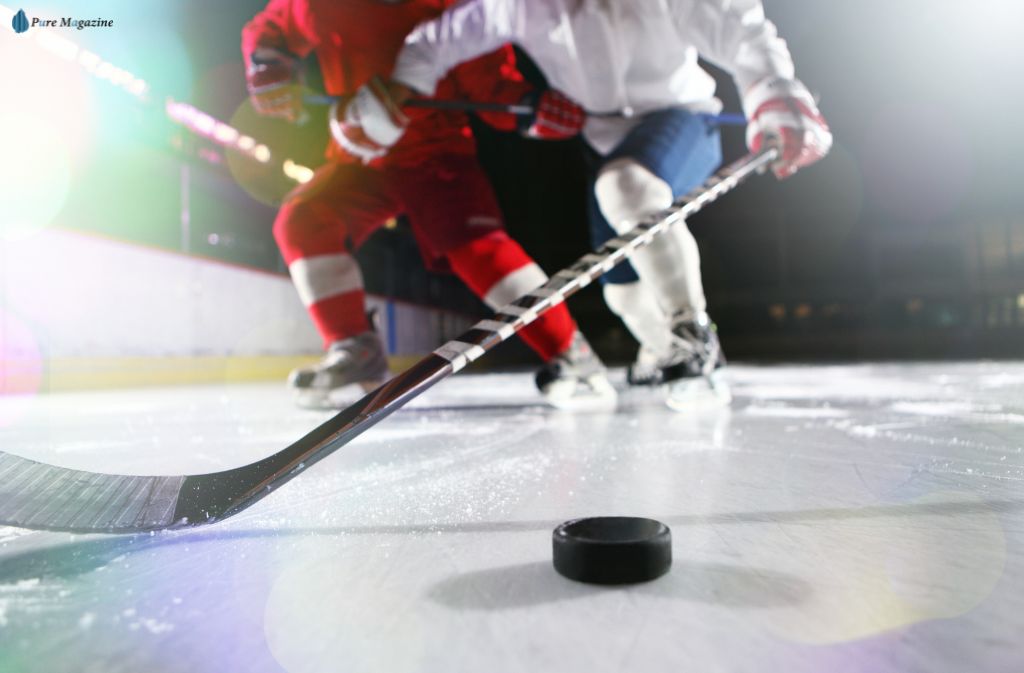
Hockey is a fast-paced, physically demanding sport that requires a mix of speed, strength, and strategy. Whether you’re a beginner or an experienced player, improving your game is about more than just showing up on the ice. Smart training, proper technique, and consistent practice are key to taking your performance to the next level. Here are the top tips for hockey players to skate smarter and play harder.
1. Focus on Skating Technique
Skating is the foundation of hockey. Strong, efficient skating can set you apart from the competition. Work on your stride, edge control, and posture. Keep your knees bent and your weight centered over your skates to maintain balance and stability. Practice both forwards and backward skating, and incorporate stops, starts, and pivots into your routine. The more you master these movements, the more agile and confident you’ll be during games.
2. Build Lower Body Strength
Powerful legs are essential for explosive speed and endurance on the ice. Squats, lunges, and plyometric exercises like box jumps help develop the muscles you need to skate faster and maintain balance during contact. Don’t neglect your core either—strong abs and lower back muscles improve stability, helping you stay upright and in control when maneuvering around opponents.
3. Improve Stickhandling Skills
A hockey player’s skill with the puck is just as important as skating ability. Daily stickhandling drills will enhance your control and hand-eye coordination. Set up cones or obstacles and practice maneuvering around them while keeping your head up. Learning to handle the puck smoothly under pressure can make the difference between creating scoring opportunities and losing possession.
4. Work on Shooting Accuracy and Power
A strong shot is a game-changer. Practice wrist shots, slap shots, and snap shots regularly to build accuracy and power. Focus on technique first—proper follow-through and weight transfer make your shot more effective. Remember, speed alone isn’t enough; precision is what wins games. Shooting drills that mimic game situations will prepare you to perform under pressure.
5. Prioritize Cardiovascular Conditioning
Hockey demands bursts of high-intensity effort interspersed with periods of lower intensity. Interval training is ideal for building the cardiovascular endurance needed for the sport. Sprints, agility drills, and off-ice cardio exercises like cycling or running will help you maintain energy levels throughout the game, ensuring you stay competitive from the first period to the last.
6. Strengthen Mental Toughness
Hockey isn’t just a physical sport—it’s a mental one too. Focus, confidence, and resilience are crucial on the ice. Visualization techniques, goal setting, and mindfulness exercises can improve your mental game. Being able to stay calm under pressure and make quick, smart decisions will elevate your performance and help you anticipate opponents’ moves.
7. Don’t Forget Safety Gear
Playing hockey safely is essential for long-term success. A properly fitted helmet, pads, and gloves protect you from injury during intense play. Additionally, a mouth protector sports players use can prevent dental injuries and reduce the risk of concussions. Taking safety seriously allows you to train harder and compete with confidence.
8. Recovery is Key
Rest and recovery are often overlooked but vital components of effective training. Ice hockey places significant stress on muscles and joints, so stretching, foam rolling, and adequate sleep are essential. Proper recovery helps prevent injuries and ensures your body is ready for the next practice or game.
9. Watch and Learn
Study professional players to understand positioning, strategy, and game awareness. Watching games—live or on video—can provide insight into play styles and techniques you can emulate. Learning from others helps you adapt faster and make smarter decisions during your own games.
10. Consistency Beats Intensity Alone
Finally, consistency is more important than sporadic bursts of extreme effort. Regular practice, balanced workouts, and steady improvement over time will yield the best results. Skating smarter isn’t about working harder for a day—it’s about building skills and conditioning systematically over weeks and months.
By focusing on these aspects—skating technique, strength, stickhandling, mental toughness, and safety—you’ll become a more effective, confident, and smarter hockey player. Remember, improvement takes time, but with dedication and smart training, you’ll see the results on the ice.
For more, visit Pure Magazine