


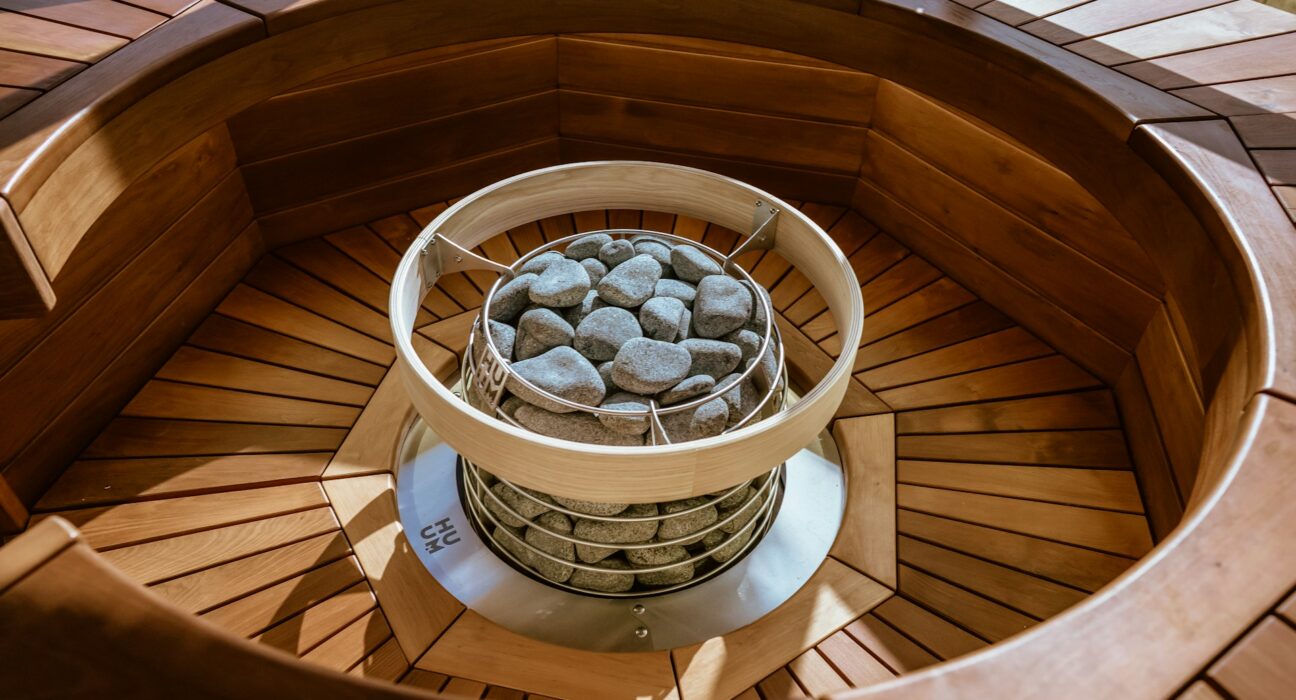
A luxury wooden hot tub can transform an ordinary backyard into a restorative retreat, offering relaxation, wellness, and a touch of elegance. Brands like Royal Tubs provide high-quality options that combine craftsmanship with performance. This guide walks through different styles, installation logistics, and ownership costs, helping readers recommend or source the right tubs for clients and customers while understanding the value proposition when promoting them online.
Why Choose A Wooden Hot Tub: Benefits And Experience
Wooden hot tubs pair rustic charm with genuine therapeutic benefits. Unlike acrylic models, wood radiates natural warmth and ages into character, which appeals to buyers seeking authenticity. Key advantages include:
- Sensory experience: The cedar or oak grain and scent add a calming, spa-like atmosphere that photos and video ads can sell effectively.
- Heat retention & comfort: Properly built wooden tubs, especially those using thermally modified woods, hold heat well and provide gentle, even warmth.
- Durability and longevity: With the right care, a quality wooden tub can last decades, an important selling point for customers focused on long-term value.
- Unique selling proposition: For affiliate and ecommerce listings, wooden tubs often command higher average order values because they’re perceived as premium and handcrafted.
Styles, Wood Types, And Construction Options
Wooden hot tubs come in several styles and materials, each with trade-offs buyers should understand.
Common Wood Types (Cedar, Thermowood, Oak)
- Cedar: Aromatic, naturally resistant to rot and insects, and relatively lightweight. Cedar is a favorite for its smell and stability.
- Thermowood (thermally modified softwoods): Heat treatment increases durability and dimensional stability without chemical preservatives. It’s a modern alternative that resists decay and holds finish well.
- Oak: Dense and robust, oak delivers a classic, high-end look but can be heavier and pricier.
Build Styles (Traditional Barrel, Plunge, Custom)
- Traditional barrel: Circular, coopering-style tubs with staves and metal bands. They’re iconic, efficient to heat, and visually distinctive.
- Plunge tubs: Smaller, deeper tubs meant for short, cold plunges or concentrated soaking, great for compact spaces or spa packages.
- Custom builds: Allow bespoke dimensions, integrated benches, and cabinetry to match landscaping or decking.
Construction options also include insulated sleeves, internal liners, and composite reinforcement. For retailers and affiliates, listing clear comparisons (pros/cons of each wood and style) reduces returns and boosts customer satisfaction.
How To Choose The Right Hot Tub For Your Space
Choosing the right tub is about matching size, use-case, and site constraints.
Sizing, Capacity, And Footprint Considerations
- Capacity: Determine whether the tub is primarily for intimate relaxation (2–4 people) or social gatherings (6+). Larger tubs need more water, stronger heating, and sturdier bases.
- Footprint: Measure usable outdoor space, including clearance for cover removal and servicing. Consider sightlines for photos if the buyer will want to showcase the tub online.
- Weight: Remember a filled wooden tub can weigh several thousand pounds. Always account for load-bearing capacity when placing the tub on a deck.
For ecommerce product pages, include downloadable dimension diagrams, weight specs, and suggested placement photos to preempt buyer questions and reduce friction in the purchase funnel.
Installation, Heating, And Site Preparation
Installation and heating choices determine running costs and ease of use.
Heating Options (Wood-Fired, Electric, Hybrid)
- Wood-fired: Authentic, off-grid option that appeals to traditionalists. It’s fuel-dependent and requires tending but offers low ongoing energy costs if wood is cheap or plentiful.
- Electric: Convenient and precise with thermostats and timers. Electricity adds operational cost but simplifies maintenance and user experience.
- Hybrid: Combines wood and electric heat for flexibility, wood for ambiance and low-cost heating, electric for quick warm-up and temperature control.
Placement, Decking, And Access Requirements
- Base: A level, well-draining base is essential. Concrete pads or reinforced decking are preferred for heavy tubs.
- Access: Consider delivery pathways for the tub and any replacement parts. Narrow gates or steep yards can add handling fees.
- Utilities: Electric models need safe, code-compliant wiring. Wood-fired tubs require clearances for chimneys and safe fuel storage.
Permits, Drainage, And Local Regulations
Local building codes may require permits for heavy structures, electrical hookups, or permanent plumbing. Encourage buyers to consult local municipalities early: clear permit guidance on product pages reduces post-sale friction and negative reviews.
Maintenance, Care, And Longevity Tips
Maintaining a wooden hot tub ensures it remains a long-term asset rather than a liability.
Seasonal Maintenance Checklist
- Winterizing: If in freezing climates, empty and dry the tub or use antifreeze-safe procedures where appropriate.
- Inspection: Check bands, staves, and seals for leaks or loosening annually.
Water Care And Filtration Best Practices
- Filtration: Use appropriate filters and replace them per manufacturer guidance. Regular water testing prevents chemical imbalances that can harm wood or fittings.
- Chemical balance: Maintain sanitizer and pH levels: chlorinators designed for hot tubs work, but some owners prefer salt-based systems.
Wood Care, Sealing, And Preventing Rot
- Sealing: Apply natural oil finishes or manufacturer-recommended sealants to protect external wood surfaces without compromising breathability.
- Ventilation: Avoid permanently covering the tub with non-breathable materials: trapped moisture can accelerate rot.
Professional Servicing Vs. DIY Maintenance
Some tasks, electrical hookups, structural repairs, or complex plumbing, are best left to professionals. Offering recommended service partners or how-to guides builds authority and reduces support tickets for sellers.
Accessories, Ambiance, And Outdoor Integration
Accessories amplify enjoyment and create cross-sell opportunities.
Covers, Steps, And Safety Features
Quality insulated covers retain heat and protect water: integrated locking systems add safety. Steps and non-slip surfaces make access safer for older users.
Lighting, Landscaping, And Privacy Solutions
LED lighting (in and around the tub), soundproofing screens, and privacy hedges or pergolas turn a tub into a year-round focal point. For content creators and advertisers, showcase before/after landscaping shots, they inspire buyers and increase AOV.
Heating Efficiency, Running Costs, And Energy Tips
Insulation sleeves, windbreaks, and thermostatic control reduce energy consumption. For electric tubs, list estimated kWh usage and approximate monthly costs for realistic buyer expectations.
Budgeting, Value Considerations, And Resale Impact
Wooden hot tubs have broad resale appeal when properly maintained.
- Upfront vs ongoing costs: Wood-fired tubs may be cheaper to run but require time and labor. Electric tubs cost more to operate but are more convenient, both are valid value propositions depending on the buyer profile.
- Resale impact: A well-kept wooden tub can elevate property listings. Real estate agents and sellers often market mature landscaping and functional outdoor amenities as value-adds.
- Cost-benefit for affiliates and retailers: Promoting models with clear warranty terms, detailed maintenance guides, and strong imagery reduces returns and increases customer lifetime value. Including estimated total cost of ownership in product pages (purchase, installation, yearly operation) is a conversion booster.
Conclusion
Wooden hot tubs deliver a blend of relaxation, aesthetic appeal, and marketable uniqueness that resonates with today’s experience-driven buyers.
For more, visit Pure Magazine