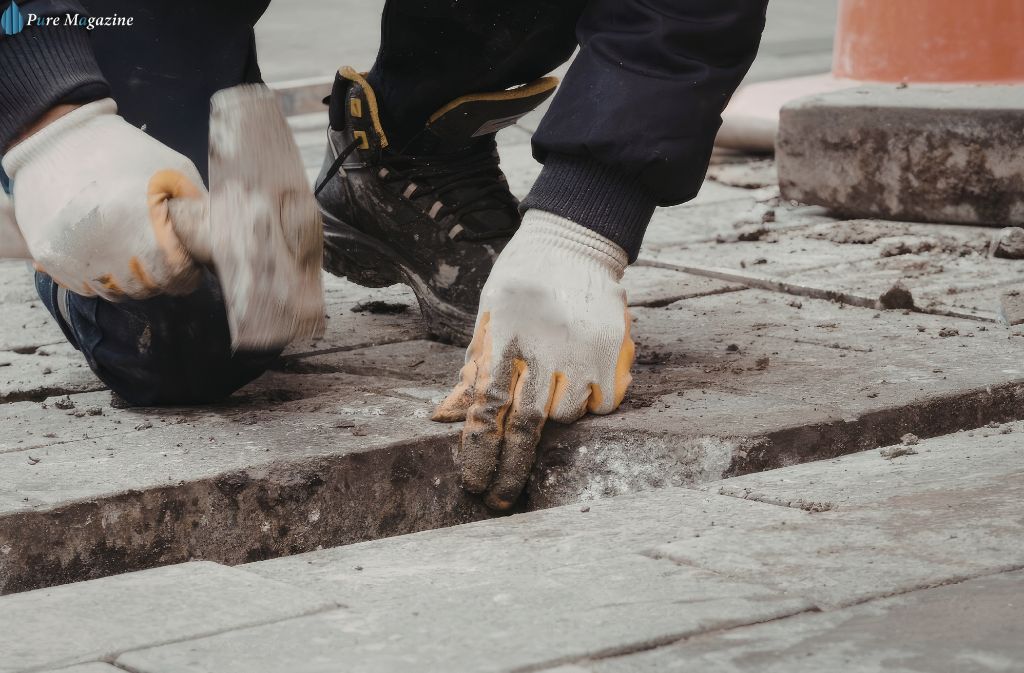
The construction industry constantly seeks methods to improve sustainability, and one effective approach is through permeable paving installation. This innovative technology not only replaces traditional surfaces but also offers numerous environmental benefits by reducing surface water runoff and improving water quality.
The Concept of Permeable Paving
Permeable paving, as the name suggests, allows water to permeate through the paving material into the ground below. This characteristic is crucial in urban environments where conventional paving materials, such as concrete or asphalt, create impervious surfaces that increase the amount of runoff during rainfall events.
Types of Permeable Paving Materials
There are various materials used in permeable paving installations, each offering unique advantages. Some of the commonly used permeable materials include porous asphalt, porous concrete, and permeable interlocking concrete pavers. Each material has its specific applications and suitability depending on the location and intended use.
Porous asphalt and concrete are made by removing the finer particles in the mixture, which creates small voids allowing water to pass through. Permeable interlocking concrete pavers are designed with spaces between them, facilitating infiltration of water through the joints.
Environmental Benefits
The introduction of permeable paving systems significantly mitigates urban drainage issues. By allowing stormwater to infiltrate the ground, these systems reduce the strain on stormwater drains and decrease the potential for flooding.
Improving Water Quality
Besides managing runoff, permeable paving also has a positive impact on water quality. As water infiltrates through these surfaces, it is filtered through layers of sand, gravel, or soil, which effectively remove pollutants. This process helps in maintaining cleaner waterways and contributes to a healthier ecosystem.
Reducing Urban Heat
Another significant benefit of permeable paving is its role in reducing the urban heat island effect. Traditional paving materials absorb and store heat from the sun, causing urban areas to become significantly hotter. Permeable pavement reflects more sunlight and is more effective at dissipating heat.
Economic Advantages
Beyond environmental benefits, the use of permeable paving can also yield economic benefits. Although the initial installation costs may be higher compared to traditional surfaces, the long-term savings are substantial. Reduced need for stormwater management infrastructure and lower maintenance costs contribute to these savings.
Extended Lifespan and Durability
Permeable paving installations are known for their durability. By allowing water to pass through, these surfaces experience less hydrostatic pressure and freeze-thaw cycles, which can extend the lifespan of the pavement.
Applications in Urban Planning
Urban planners and developers are increasingly considering permeable paving in their projects. It is particularly suitable in parking areas, driveways, sidewalks, and even residential roads. Such applications not only improve aesthetic value but also integrate functionality with environmental responsibility.
Community and Policy Support
The growing awareness around sustainable practices has prompted various governmental bodies and communities to support technologies like permeable paving. Policies and incentives are being established to encourage adoption, aligning with broader objectives of reducing carbon footprints and improving urban living conditions.
Challenges and Considerations
Despite its advantages, the implementation of permeable paving comes with challenges. It is essential to address issues such as proper product selection and installation methods to ensure effectiveness. Regular maintenance is also required to keep the permeability levels optimal, involving debris removal and occasional vacuuming.
Proper Installation Techniques
The success of a permeable paving installation heavily depends on the quality of installation. Proper grading, compaction, and the use of appropriate base materials are crucial factors in ensuring the system operates successfully.
Conclusion
Innovative permeable paving installations offer a multifaceted solution to some of the pressing issues faced in modern urban environments. By integrating these systems, cities can enhance their sustainability efforts, improve water management, and contribute to overall environmental health. As technology and methods advance, the use of permeable paving is likely to become more widespread, playing a significant role in the future of sustainable urban development.
For more, visit Pure Magazine