Choosing the right driveway material is one of the most overlooked decisions homeowners make.
Did you know it’s also one of the most costly driveway materials when installed incorrectly? When you think about it, your driveway really does take a beating. It’s the first thing your guests will see when they visit your home and it’s used heavily day in and day out. By making the right choice in driveway material you can:
- Boost your home’s curb appeal
- Add real resale value
- Save thousands on repairs
And get a driveway that actually lasts.
Here is how to do it…
What you’ll learn:
- Why The Driveway Material Matters For Home Value
- The Top Driveway Materials Compared
- Is A Gravel Driveway The Right Pick?
- How To Pick The Best Material For Your Home
Why The Driveway Material Matters For Home Value
Your driveway is more than a place to park.
It’s one of the largest exterior surfaces on your property and it influences how buyers, neighbors and appraisers perceive your home. Choose the right material, and you can add lasting value. Choose wrong and you’ll be kicking yourself for years.
Curb appeal is everything. 72% of buyers say it affects their first impression of a home, and your driveway is a big part of that first look. If your driveway is cracked, crumbling, or covered in mud, it’s not selling itself very well before the buyer steps foot on the property.
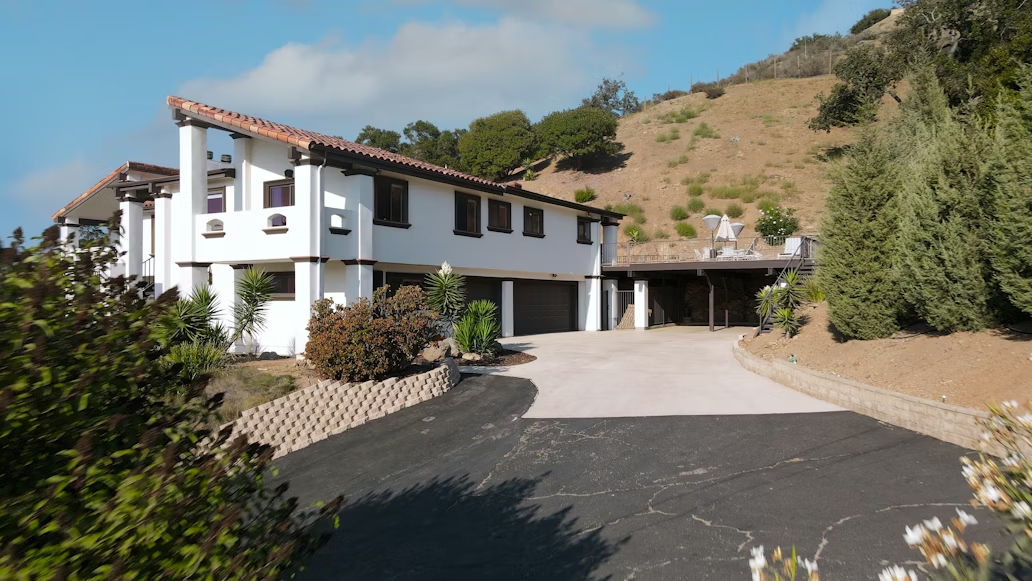
You also have resale value to consider. Installing a new driveway can increase your home value by 5-10% depending on your location and material selected. From concrete driveways to asphalt driveways and everything in between — choosing the material that fits your home, climate and budget is key. If you don’t have the time to consider all of your options, you can find professional driveway companies who can suggest the best material for your region.
The point is this:
The right material = More value + Less hassle.
The Top Driveway Materials Compared
Homeowners have 4 driveway materials to choose from. Every option offers different advantages and disadvantages, lifespan and cost. Here’s a breakdown…
Concrete
Concrete driveways are one of the most common driveway surfaces. After all, concrete is durable, attractive and has many years of life.
When poured correctly and taken care of, a concrete driveway can last up to 30 years (even longer). Concrete driveways have a ROI of 50% to 80% which can increase your home value by $3,000 to $10,000.
The con? Concrete cracks. Especially in climates where freezing temperatures bring freeze/thaw cycles. Concrete is also more expensive initially compared to asphalt or gravel.
Asphalt
Asphalt is that black smooth driveway commonly found on residential streets. It’s low cost, quick to install, and performs excellently in northern climates.
The dark surface absorbs heat to melt snow. Flexible material stands up to freeze/thaw cycles better than concrete does. The downside is upkeep. You must seal it every few years. Expect around a 15-30 year lifespan.
Block Paving
Want a high-end look? Block paving is the way to go.
Pavers are singular blocks laid on top of sand and gravel. They look incredible, can last over 30 years, and if a block gets damaged you can simply replace that one. A new patio that costs $3,269 can add $3,563 to your home’s value and pavers can often provide a similar return.
The downside is the cost. Both materials and labour for pavers are expensive. However, the ROI is typically worth it for high end homes.
Gravel Driveway
The cheapest and easiest driveway surface to install is gravel. Ideal for country homes, long driveways and ranch style property with more casual appearances. Gravel is worth a deeper look since it’s a great option for the right homeowner.
Is A Gravel Driveway The Right Pick?
A gravel driveway is one of the most underrated material choices you can make.
Here are three reasons why you should consider installing a gravel driveway.
It’s inexpensive. Gravel is affordable, easy to install, and can go on nearly any property. It’s much less expensive than concrete or pavers, and can even be a DIY project if you’re willing to get dirty.
It drains rainwater effectively. Fewer puddles mean less surface damage from standing water.
But it’s not for everyone.
Gravel driveways require more upkeep than other materials. Stones move around, spread out, and wear down. You’ll have to top dress with new gravel every few years. Plus rake it back down after heavy rains or snow.
So when does a gravel driveway make sense?
- Rural properties: Long driveways where concrete or asphalt would cost a small fortune
- Country-style homes: Where the natural look matches the property’s style
- Budget builds: When you need a working driveway without spending thousands
- Drainage-heavy areas: Where surface water needs somewhere to go
Gravel driveways don’t have to look drab. Lay edging, add a paved entrance area, and make sure to put down a good base — the finished driveway will look planned, not cheap.
The main thing to consider is that adding value with a gravel driveway is all about your neighborhood. If your neighbors all have paved driveways a gravel one could actually decrease value. However, if you live in a rural area gravel is usually the norm.
How To Pick The Best Material For Your Home
So which material is right for you?
It depends on several factors. Follow this simple checklist to determine:
- Look around your neighborhood: Aim to match your neighbor’s standard or surpass it. Don’t fall below their level.
- Consider your climate: Cold, snowy climates? Asphalt. Hot, dry? Concrete or pavers will stand up to heat better.
- Decide on your budget: Gravel is the lowest budget option. Asphalt falls in the middle. Concrete is a step above that. Pavers are the high end option.
- How do you plan to maintain it? Time and money you want to spend on upkeep?
- Think about resale value: If you plan on selling in the near future, choose something with high ROI where you live.
Keep reading…don’t over analyze. Adding a new driveway can yield up to $10,000 in perceived value making it one of the best bang for your buck exterior upgrades around.
The most common mistake made by homeowners is choosing the lowest price option without considering the long-term effects. Gravel driveways are less expensive upfront. However, if you have to top off your gravel drive every year at $500, you’ll pay more over 10 years than you would for concrete.
Always look at the lifetime cost.
Final Thoughts
Picking the right driveway material is a long-term decision.
Your driveway shapes your home’s curb appeal, your home’s value and how much you’ll spend on maintenance in the next 2-3 decades. Bottom line:
- Concrete is the best all-rounder for warm climates
- Asphalt wins in cold regions with snowy winters
- Block paving is the premium pick for high-end homes
- A gravel driveway is the most affordable option for rural and budget builds
Choose a material that complements your home and is suitable for your climate and neighbourhood. If you install it correctly, the driveway you install today will continue to add value for 2 decades.
For more, visit Pure Magazine