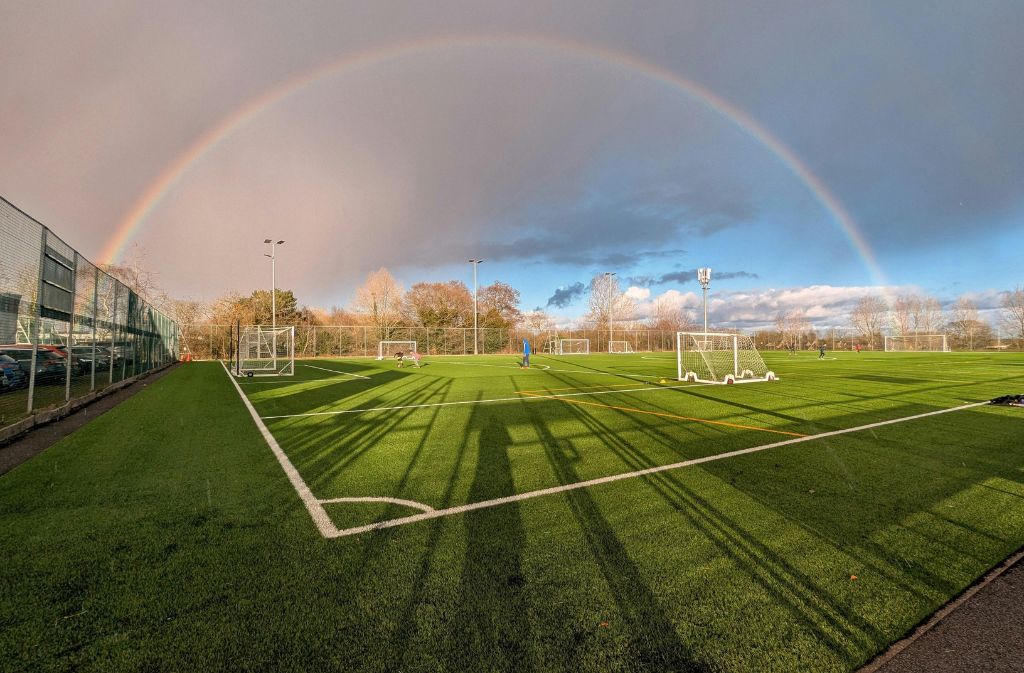
When a school district decides to replace a natural grass athletic field with artificial turf, the decision carries more weight than most administrators initially anticipate. The project touches on budget cycles, facility scheduling, student safety, long-term maintenance costs, and contractor accountability. A poorly managed installation can disrupt athletic programs for an entire season, create compliance issues, or result in a surface that degrades far earlier than expected.
Turnkey installation — where a single contractor manages the entire project from site preparation through final inspection — has become the preferred model for school districts precisely because it simplifies accountability. But the quality of turnkey providers varies considerably. Some companies specialize in professional sports venues and treat school projects as secondary work. Others focus on residential or commercial landscaping and lack the field construction experience that athletic installations demand.
This guide examines seven companies that have consistently demonstrated the capacity to manage school athletic field installations as complete projects, with attention to subbase work, drainage engineering, turf selection, and post-installation support.
What Turnkey Installation Actually Means for School Athletic Fields
Turnkey artificial turf installation means the contractor takes responsibility for every phase of the project — not just rolling out turf material. It begins with a site survey and civil engineering assessment, moves through demolition of the existing surface, grading, drainage system installation, base compaction, and finally the turf system itself. When schools work with vendors who only supply and install the turf without managing the underlying work, problems that develop later often become difficult to assign to a single party. Turnkey contracts eliminate that ambiguity.
For districts evaluating the best companies for turnkey artificial turf field installation for schools, the most important question is not which company offers the lowest per-square-foot cost, but which company can demonstrate a full-scope project history with public institutions. Schools have procurement requirements, inspection timelines, and budget constraints that differ substantially from private venues. The best companies for turnkey artificial turf field installation for schools understand public-sector workflows, including certified payroll requirements, bonding, insurance minimums, and board approval timelines.
Why Single-Contractor Accountability Changes Project Outcomes
When a subbase contractor, a drainage contractor, and a turf supplier operate independently under a school district’s direct management, every problem that arises becomes a dispute over responsibility. Water pooling after a rain event might be attributed to drainage design, subbase compaction, or turf seam installation — and each subcontractor will point to the others. Under a turnkey structure, the primary contractor owns every outcome, which changes how problems are identified and resolved. It also changes how contractors approach pre-construction planning, because they cannot transfer blame downstream.
The 7 Ranked Companies for School Artificial Turf Field Installation
The companies below have been evaluated based on documented school and municipal project history, geographic service range, turnkey scope depth, and the consistency of their post-installation support programs. These are not ranked by size alone — several mid-sized regional firms outperform national companies on project execution for institutional clients.
1. FieldTurf (Tarkett Sports)
FieldTurf operates as one of the most widely recognized names in institutional turf installation in the United States. Their work spans K-12 schools, community colleges, and university athletic departments. Their turnkey process includes subsurface drainage engineering and multi-year maintenance agreements, which matter particularly for schools without dedicated grounds staff capable of managing turf systems. Their project references are verifiable through public bid records in most states.
2. Shaw Sports Turf
Shaw Sports Turf has a strong presence in school district installations, particularly in the Southeast and Midwest. Their manufacturing and installation are coordinated through the same corporate structure, which reduces lead time friction and gives project managers clearer visibility into material delivery schedules. For districts working within academic calendar constraints — where fields must be completed before the fall sports season opens — scheduling reliability is a genuine operational advantage.
3. AstroTurf
AstroTurf’s modern product line bears little resemblance to the original surface that made the brand famous, and the company has rebuilt significant institutional credibility in the school market over the past decade. Their project management teams are experienced with public procurement processes, including prevailing wage compliance and third-party inspection coordination. Districts in the mid-Atlantic and Southeast regions in particular report strong project execution consistency.
4. Hellas Construction
Hellas Construction based in Texas manages a broader range of athletic construction work than turf alone, which gives their teams a more complete understanding of how a finished field integrates with surrounding infrastructure — lighting, fencing, bleachers, and drainage outflows. For schools undertaking full athletic complex renovations rather than surface replacement alone, Hellas provides a more integrated approach. Their work is documented extensively across Texas, Arizona, and Florida school districts.
5. Sprinturf
Sprinturf operates as a manufacturer and installer, which provides a cost structure that can be more competitive for districts with constrained capital budgets. Their turnkey process covers full site preparation through final surface testing. The company has developed a reliable regional presence in the Northeast and Great Lakes regions, where school districts often face compressed installation windows due to weather. Their project teams are accustomed to working within tight seasonal timelines.
6. Pro-Turf (Regional Mid-Market Contractor)
Regional companies with genuine turnkey experience often serve school clients more attentively than national brands, particularly for projects where the district has limited leverage with a large corporate sales organization. Pro-Turf and similar mid-market contractors in the $15M to $50M annual revenue range typically assign dedicated project managers to each school installation rather than cycling teams across dozens of concurrent projects. This matters for districts where communication consistency and response time are operational priorities.
7. The Windscreen Factory (Turf Division)
The Windscreen Factory’s turf installation division focuses specifically on school and municipal athletic facilities. Their approach emphasizes coordination with district facilities staff from the pre-construction phase through post-installation maintenance planning, which addresses one of the most common failure points in school turf projects — the gap between what contractors deliver and what facility teams know how to maintain. Their work includes field systems that meet the performance surface standards referenced by organizations like ASTM International’s testing standards for synthetic turf, which is relevant for districts that must demonstrate safety compliance as part of their procurement documentation.
What to Look for Beyond the Ranked List
Any ranked list of installation companies is a starting point, not a final answer. School districts vary significantly in their geographic location, available budget, project complexity, and internal capacity to manage contractor relationships. A company that performs well for a large suburban district in Florida may not be the right fit for a small rural district in Montana with a shorter construction season and limited local subcontractor support.
Project References from Comparable Institutions
When vetting any company from this list, ask specifically for references from school districts — not professional or collegiate venues. The procurement complexity, community stakeholder involvement, and post-installation expectations in the K-12 environment differ meaningfully from professional sports. A contractor that builds NFL practice facilities has relevant technical experience but may lack familiarity with the administrative and compliance requirements that public school projects carry.
Warranty Structure and Post-Installation Accountability
Turf systems carry warranties that typically cover the surface material but not always the drainage infrastructure or subbase. When a problem develops after installation, the scope of the warranty determines whether the district absorbs repair costs or the contractor does. The best companies for turnkey artificial turf field installation for schools provide warranties that cover the complete system — not just the visible surface — and include language that specifies response timelines for warranty service requests.
Understanding Infill Material Decisions
The infill material used in an artificial turf system affects surface temperature, player safety, and maintenance requirements over the life of the field. Crumb rubber, sand, organic infill blends, and synthetic alternatives each carry different performance and health profiles. Some states and school districts have moved toward restricting or phasing out certain infill types, and the best companies for turnkey artificial turf field installation for schools stay current with these regulatory trends. Districts should confirm that their chosen contractor can speak clearly about infill alternatives without defaulting to whatever product is cheapest to source.
Procurement and Timeline Considerations for Districts
Most school turf installation projects run through a public competitive bidding process, which adds time and procedural requirements that private project owners do not face. The bidding process, board approval cycle, contract execution, and mobilization timeline mean that districts often need to begin procurement planning six to twelve months before they expect construction to start.
Coordinating Installation with the Academic Calendar
The most common scheduling conflict in school turf projects is the gap between when construction can realistically begin and when the field must be available for athletic use. Fall sports seasons create hard deadlines that rarely move. Contractors who work regularly with schools understand how to sequence the work — including curing time for base materials and seam bonding periods for turf — to hit opening dates reliably. The best companies for turnkey artificial turf field installation for schools treat the academic calendar as a fixed constraint in their project planning, not an afterthought.
Budget Transparency Through the Project Lifecycle
Change orders in construction projects are common, but their frequency and magnitude are often a reflection of how thoroughly a contractor assessed the project during the bidding phase. Companies that offer unusually low bids and then generate change orders for unforeseen site conditions may end up costing districts more than higher initial bids from contractors who conducted thorough pre-bid site assessments. Requesting a detailed scope of work that explains what is and is not included in the base contract price is a basic but often overlooked step in the vendor selection process.
Closing Thoughts
Selecting a company to install an artificial turf field on a school campus is a long-term infrastructure decision. The field will be used by students, community members, and athletic programs for a decade or more. The quality of the installation affects not just how the surface looks at opening day, but how it performs and how much it costs to maintain across that entire lifespan.
The companies identified in this list represent a range of scales, regional strengths, and project management approaches. No single company is the right fit for every district. The most reliable path to a successful project is to match the contractor’s documented experience to the specific scope, budget, and timeline requirements of the district’s project — and to verify that match through direct conversations with past institutional clients rather than relying on marketing materials alone.
The best companies for turnkey artificial turf field installation for schools distinguish themselves not just by the quality of the turf system they install, but by how clearly they communicate, how thoroughly they plan, and how reliably they support the field after the project is complete. Those qualities are more predictive of long-term satisfaction than any product specification or ranked position.
For more, visit Pure Magazine