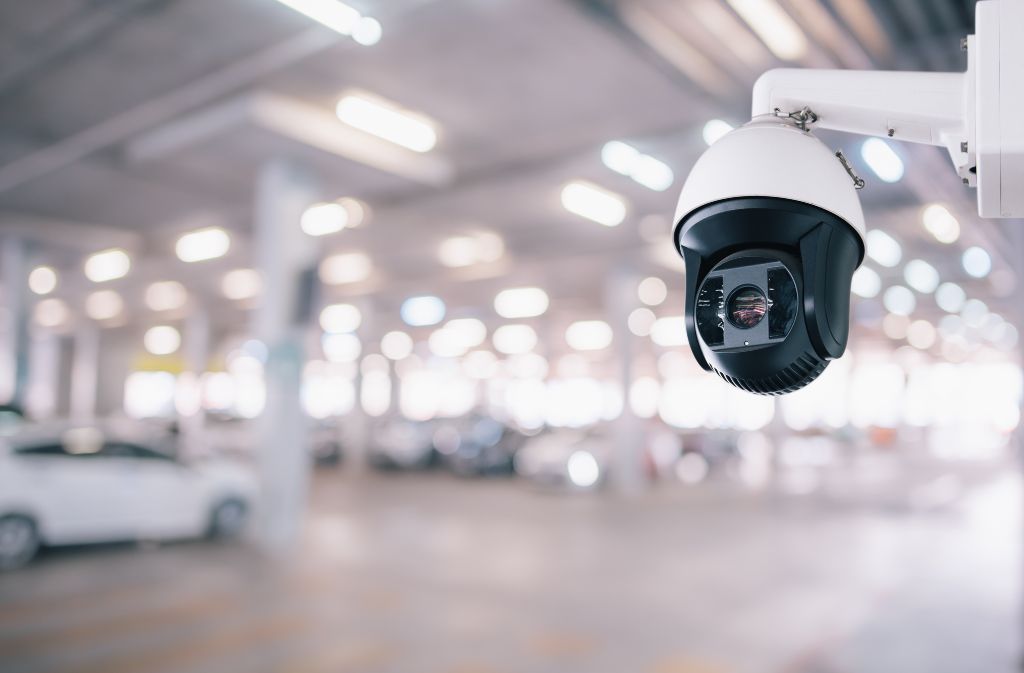
Even with the best security plans, blind spots can appear. Hidden camera surveillance offers a way to see what might otherwise be missed. These systems provide an objective view, helping to identify vulnerabilities that routine checks might overlook. The continuous monitoring provided by cameras is key to spotting these hidden security gaps.
Identifying High-Risk Zones Through Continuous Monitoring
Properties often have areas that don’t get enough attention. Parking lots, loading docks, and less-used entrances can become weak points. Hidden cameras placed strategically can monitor these zones around the clock. This constant watch helps pinpoint areas where activity might be suspicious or where security is lacking. Identifying these high-risk zones is the first step in strengthening overall property safety.
Assessing Incident Frequency and Patterns
Reviewing footage from hidden cameras allows for a detailed look at incidents. It’s not just about seeing an event; it’s about understanding how often similar events occur and the patterns they form. This data helps in assessing the true frequency of security issues. Understanding these patterns is vital for making informed decisions about where to focus security efforts.
Evaluating Response Effectiveness and Protocols
When an incident does happen, hidden camera surveillance provides clear evidence of what occurred. This footage can be used to evaluate how well security teams responded. Did they follow protocols? Was the response timely? By examining the video, organizations can assess the effectiveness of their current response protocols. This evaluation helps refine procedures to improve future responses to security events.
Leveraging Hidden Camera Surveillance For Proactive Risk Management
Anticipating Emerging Threats Through Pattern Recognition
Hidden camera surveillance offers a unique window into the day-to-day operations of a property. By continuously monitoring activity, patterns that might otherwise go unnoticed can emerge. These patterns, when analyzed, can signal potential future risks before they fully materialize. For instance, repeated loitering in a specific area or unusual access attempts at odd hours could indicate developing security concerns. This proactive identification allows for intervention before an incident occurs.
The ability to spot these subtle shifts is key to staying ahead. Hidden camera surveillance provides the raw data needed to build a predictive model of potential threats. This isn’t about guessing; it’s about using observed behaviors and activities to inform security strategies. Without this continuous observation, such emerging threats might only be recognized after a significant event has already taken place, leading to unnecessary disruption and potential loss.
This approach transforms security from a reactive measure to a forward-thinking discipline. By understanding the rhythm of a property and identifying deviations, security teams can adjust protocols, increase patrols in vulnerable zones, or implement targeted deterrents. This makes the entire security framework more robust and responsive to the evolving landscape of risks.
Allocating Resources Based on Risk Assessment
Understanding where risks are highest is critical for efficient resource deployment. Hidden camera surveillance provides objective data to pinpoint these areas. Instead of relying on assumptions or anecdotal evidence, security managers can use footage to identify zones with frequent unauthorized access, high traffic flow that could lead to accidents, or areas prone to environmental hazards. This data-driven approach ensures that security personnel, equipment, and budget are directed where they are most needed.
This targeted allocation means that limited resources are used effectively. For example, if surveillance reveals a particular entrance is consistently targeted for unauthorized entry, additional security measures can be implemented there. Conversely, areas with consistently low risk might require fewer resources, freeing them up for higher-priority locations. This strategic deployment maximizes the impact of the security budget.
Ultimately, using hidden camera surveillance for risk assessment leads to a more optimized and effective security posture. It allows for a dynamic allocation of resources that adapts to the real-time needs of the property, rather than a static plan that may not reflect current vulnerabilities. This ensures that the most critical areas receive the attention they deserve.
Demonstrating Due Diligence With Documented Evidence
In today’s environment, demonstrating that proper security measures are in place is as important as the measures themselves. Hidden camera surveillance provides irrefutable, documented evidence of security practices and incidents. This record is invaluable for various stakeholders, including insurance providers, regulatory bodies, and legal counsel. It serves as proof that the property owner or manager is actively working to maintain a safe and secure environment.
When an incident does occur, the recorded footage offers a clear account of what happened. This can be used to verify claims, identify responsible parties, and support internal investigations. It removes ambiguity and provides a factual basis for decision-making, which is crucial for maintaining accountability and fairness. This documented evidence is a cornerstone of good governance.
Furthermore, this documented evidence can be used in security audits to showcase compliance and proactive risk management. It provides a tangible representation of the security efforts undertaken, building confidence among all parties involved. The presence of such records signals a commitment to transparency and responsible management, which can have significant positive implications for liability and reputation.
Enhancing Property Safety Through Hidden Camera Surveillance
Hidden camera surveillance offers a unique perspective on property safety, revealing vulnerabilities that might otherwise go unnoticed. It’s not just about catching bad actors; it’s about understanding the physical layout and operational flow of a property to identify weak points before they become problems. This type of surveillance provides an objective view, showing exactly what’s happening when no one is actively watching.
Detecting Limited Perimeter Coverage
Properties often have blind spots, especially around the exterior. Parking lots, loading docks, and less-trafficked entrances can be easy targets if not properly monitored. Hidden cameras can be strategically placed to fill these gaps, providing continuous oversight where it’s most needed. This constant watch ensures that the entire perimeter is accounted for, reducing the chances of unauthorized entry or activity going undetected. Identifying limited perimeter coverage is a key step in a robust security plan.
Identifying Unmonitored Access Points
Beyond the main entrances, many properties have secondary doors, service hatches, or even windows that are rarely used. These can become forgotten weak points. Reviewing footage from hidden cameras can highlight when these access points are used unexpectedly or, more importantly, when they are left unsecured. This allows for prompt action to reinforce these areas and improve overall property safety.
Revealing Unauthorized Internal Movement
Security isn’t just about what happens outside; it’s also about what happens within the property lines. Hidden cameras placed in common areas or near restricted zones can reveal unauthorized movement. This could involve employees accessing areas they shouldn’t, or visitors straying into off-limits spaces. Understanding these patterns helps in refining access control policies and preventing potential internal security breaches. Hidden camera surveillance is a powerful tool for maintaining order and safety inside a property.
Utilizing Hidden Camera Surveillance In Security Audits
Security audits are a standard practice for checking how well a property is protected. When you bring hidden camera surveillance into these audits, things get a lot more real. It’s not just about ticking boxes anymore; it’s about seeing what’s actually happening on the ground. This method helps find weak spots that might be missed during a regular walk-through. Hidden camera surveillance provides objective data that makes security audits more effective.
Pinpointing Areas Lacking Adequate Coverage
Sometimes, even with a good security setup, there are blind spots. These could be poorly lit corners, areas behind large structures, or simply zones that aren’t on a standard patrol route. Reviewing footage from hidden cameras can reveal these gaps. You might find that a certain entrance is rarely checked or that a back alley is always out of sight. This kind of information is gold for improving your security plan. It helps you see exactly where more cameras or better lighting might be needed.
Identifying Unusual Behavioral Patterns
Security audits using surveillance footage can uncover odd behavior that might otherwise go unnoticed. Think about people lingering too long near a restricted area, or activity happening at strange hours when no one should be there. Hidden camera surveillance captures these moments, allowing auditors to spot trends. This data can point to potential threats or internal issues that need addressing. It’s about noticing the small things that could become big problems later on.
Detecting Process and Policy Gaps
Policies and procedures are only effective if they are followed. Hidden camera surveillance can show if security staff are sticking to their patrol routes or if safety rules are being broken. For example, footage might reveal doors propped open, fire exits blocked, or deliveries left unattended. These are process gaps that can create serious security risks. Using hidden camera surveillance in audits helps identify these lapses, so they can be corrected quickly before they lead to an incident. It’s a practical way to check if your security measures are working as intended.
Protecting Privacy With Counter Surveillance Measures
Mitigating Risks of Unauthorized Access to Plans
In today’s world, keeping sensitive business plans secure is a big deal. Hidden cameras can be used for corporate espionage, aiming to steal trade secrets or strategic roadmaps. Counter surveillance measures are key to stopping this. Using tools to detect hidden devices helps prevent unauthorized eyes from accessing confidential information. This proactive approach guards against data theft and maintains a competitive edge.
- Scan frequently: Regularly check meeting rooms and executive offices.
- Secure devices: Limit access to areas where plans are discussed.
- Educate staff: Train employees on recognizing potential surveillance.
Early detection of unauthorized recording devices is vital for protecting proprietary information and preventing financial loss.
Preventing Stalking and Tracking of Individuals
Personal safety is paramount, and hidden cameras can be used for stalking or tracking individuals. This invasion of privacy can cause significant distress and fear. Implementing counter surveillance techniques helps individuals regain control over their personal space and movements. Detecting hidden cameras in homes, vehicles, or even temporary accommodations offers peace of mind and security.
- Use camera detectors: Sweep personal spaces regularly.
- Check vehicles: Inspect for any unusual devices.
- Be aware of surroundings: Report suspicious activity promptly.
Safeguarding Against Recording of Private Conversations
Private conversations, whether personal or professional, should remain just that – private. Hidden microphones and cameras can capture sensitive discussions without consent. Counter surveillance helps identify and neutralize these devices, protecting individuals from eavesdropping and the misuse of recorded information. This is especially important in therapy sessions, legal consultations, or sensitive business meetings. The goal of counter surveillance is to ensure that private moments stay private.
Operational Efficiency Through Hidden Camera Surveillance
Hidden camera surveillance isn’t just about catching bad guys; it can really help make things run smoother day-to-day. Think about how people and vehicles move around your property. By watching this, you can figure out better places for signs, parking spots, or even where to put new entrances. This kind of monitoring helps you see the big picture of how your space is used.
It’s also great for spotting maintenance problems before they become big headaches. A small leak or a piece of equipment acting up can be seen on camera and fixed quickly. This stops disruptions and keeps things safe. Plus, when you have vendors or contractors working, hidden camera surveillance gives you a record of their activity. You can check if they’re doing the work they’re supposed to and if they’re accessing areas they shouldn’t be. This whole process of using cameras for operational efficiency is key to saving money and making services better.
Incident Verification and Compliance With Hidden Camera Surveillance
Hidden camera surveillance plays a key role in confirming what actually happened when an alarm sounds or when someone reports suspicious activity. It provides clear visual proof, helping security teams quickly verify incidents. This verification process is vital for understanding the situation accurately and deciding on the right response, which can cut down on unnecessary disruptions and false alarms. Relying on this type of surveillance for incident verification means that actions taken are based on solid evidence, not just reports.
Beyond just verifying events, hidden camera surveillance is also important for checking if safety rules and industry standards are being followed. Many places have specific regulations that need to be met, and cameras can create a documented record of this. This record shows that procedures are being followed, whether it’s about who enters a building, how contractors are managed, or how emergency exits are used. This documented adherence is a form of compliance monitoring that can be reviewed easily. The use of hidden camera surveillance in this context helps maintain a secure environment.
Furthermore, this technology is useful when looking at how well emergency plans work. During drills or actual emergencies, surveillance footage can show how people use evacuation routes, where problems might occur, and how well staff and others follow the planned procedures. Evaluating emergency preparedness and evacuation routes becomes much more effective with this visual data. By using hidden camera surveillance, organizations can make sure their safety plans are up-to-date and ready for anything.
Putting It All Together
So, when you really look at it, those cameras aren’t just for catching bad guys after something happens. They’re like your eyes and ears, spotting all sorts of little things that could turn into big problems later. From seeing where people tend to crowd up to making sure everyone’s following the rules, they give you a much clearer picture of what’s actually going on. It’s about using that information to fix things before they break, making your place safer and running smoother for everyone. It’s a smart way to stay ahead of trouble.
For more, visit Pure Magazine