Safety Decision, Not Just A Purchase
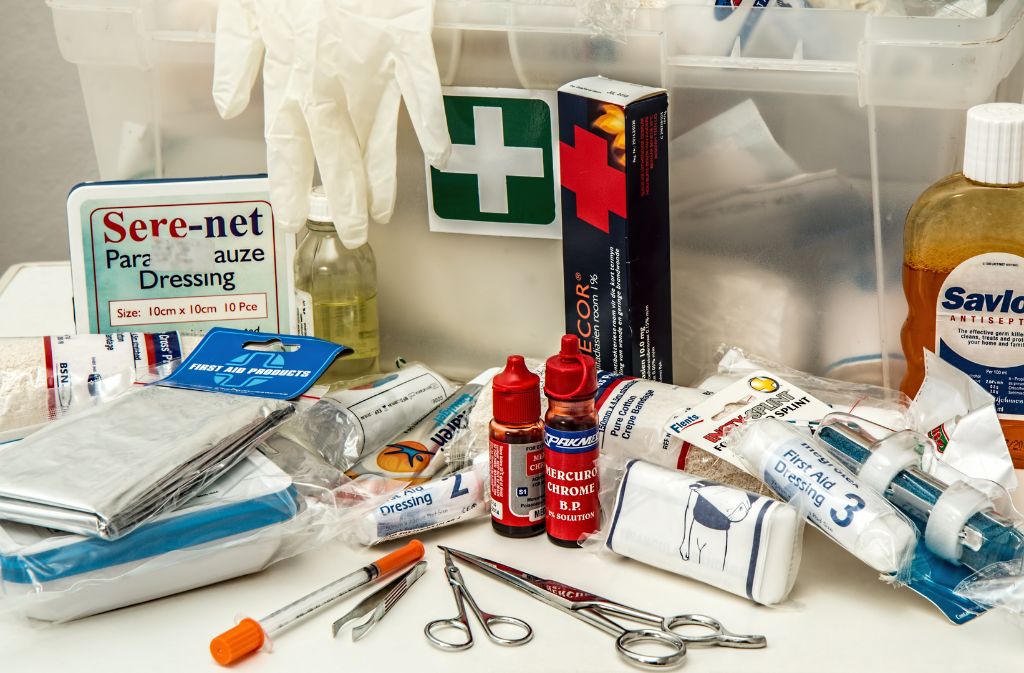
Choosing a medical kit supplier is more than just picking a vendor; it’s a critical safety decision. The kits you stock directly impact your team’s well-being and your company’s ability to respond effectively during emergencies. Treating this choice as a simple transaction, rather than a safety investment, can lead to gaps in preparedness when you need it most. A reliable medical kit supplier ensures you have the right supplies, readily available, to handle workplace injuries.
The right supplier acts as a partner in your safety program. They help you meet regulatory standards and build confidence among your employees. When you focus solely on the lowest price, you might overlook vital aspects like product quality, compliance documentation, or the supplier’s ability to provide timely refills. This can result in kits that are incomplete, outdated, or unsuitable for your specific workplace hazards, ultimately increasing your liability.
Consider the real-world impact: a minor cut that becomes infected due to a lack of proper sterile dressings, or a chemical splash that isn’t adequately treated because the eye wash station is empty. These scenarios highlight why selecting a dependable medical kit supplier is a foundational step in maintaining a safe working environment. It’s about having confidence that when an incident occurs, your team is properly equipped.
Impact On Compliance And Downtime
Your choice of a medical kit supplier has a direct effect on your company’s compliance with regulations like OSHA and ANSI standards. When kits are not properly stocked or contain incorrect items, you risk failing audits and incurring penalties. A supplier that understands these standards can help you select kits that meet all requirements, making compliance checks smoother and less stressful. This proactive approach saves time and resources.
Beyond compliance, the availability of medical supplies impacts operational downtime. If an employee is injured and the necessary first aid items are missing or expired, treatment is delayed. This delay can prolong recovery, potentially leading to lost workdays and reduced productivity. A consistent supply chain from a reliable medical kit supplier minimizes these disruptions, ensuring quick access to care and faster return to work.
A well-managed medical kit program, supported by a dependable supplier, is not just about meeting rules; it’s about operational resilience. It shows you are prepared for the unexpected, protecting both your people and your business continuity.
Building Employee Trust And Confidence
Employees notice the state of your first aid kits. When they see well-stocked, organized cabinets with up-to-date supplies, it sends a clear message that management prioritizes their safety. This visibility builds trust and confidence in the company’s overall safety program. Conversely, empty shelves, expired items, or kits that don’t seem appropriate for the work can erode that trust, making employees feel undervalued and less secure.
A good medical kit supplier contributes to this positive perception by providing high-quality products and reliable restocking services. They can help you tailor kits to specific workplace risks, demonstrating a thoughtful approach to safety. This attention to detail reassures employees that their well-being is a genuine concern, fostering a more positive and secure work atmosphere.
Ultimately, the reliability of your medical kit supplier directly influences how safe your employees feel at work. When they know that proper first aid is always within reach, thanks to a consistently managed supply, it contributes significantly to their overall morale and their belief in the company’s commitment to their health and safety.
Evaluating Product Range And Specialization
When picking a medical kit supplier, it’s not just about grabbing any box off the shelf. You really need to look at what they stock and if it fits your specific business. Think about the kinds of jobs your employees do and the risks they face daily. A supplier that understands this can help you get the right gear.
Matching Kits To Specific Workplace Hazards
Different workplaces have different dangers. A construction site needs different supplies than an office building. A good supplier will have kits designed for specific environments. They should be able to tell you which kits are best for things like heavy machinery, chemical exposure, or even just common slips and falls. This specialization means you’re not overpaying for supplies you don’t need, or worse, being underprepared for a real emergency. They should also have options for different types of injuries, like severe bleeding or burns.
Understanding ANSI Classes And Kit Types
Regulations like ANSI standards help classify first aid kits. You’ll see terms like ANSI Class A and ANSI Class B. Class A kits are for general workplaces, while Class B are for higher-risk environments. A knowledgeable supplier will explain these differences and help you choose the correct class. They should also offer specialized kits beyond the basic ones, such as trauma kits, eyewash stations, or bloodborne pathogen kits. Having the right ANSI class kit is a key part of workplace safety compliance.
Considering Different Kit Formats And Person Counts
Suppliers should offer a variety of kit formats. Some might be wall-mounted for easy access in a central location. Others might be portable cases for vehicles or field teams. It’s also helpful if they offer kits based on the number of people in your workplace, like 25-person or 50-person kits. This makes restocking easier and ensures you have enough supplies without buying more than you need. A good product range means you can get exactly what works for your setup, whether it’s a small office or a large factory floor.
Assessing Compliance Expertise And Documentation
Navigating OSHA And ANSI Standards
When picking a medical kit supplier, it’s smart to check if they really know their stuff about safety rules. This means looking into how well they understand things like OSHA (Occupational Safety and Health Administration) and ANSI (American National Standards Institute) standards. These aren’t just random letters; they’re the guidelines that keep workplaces safe. A good supplier will be able to tell you exactly how their kits meet these requirements. They should also be up-to-date on any changes, especially if there are state-specific rules that apply to your business. Knowing that your supplier is on top of compliance saves you a lot of headaches and potential fines.
Ensuring Clear Labeling And Workplace Fit
Think about how the kits are labeled. Are the contents clearly marked? Is it easy to see what’s inside and where everything goes? This is super important for quick access during an emergency. A supplier with good documentation will provide clear lists of what’s in each kit. They might even offer kits with labeled compartments, making it simple to spot when something needs restocking. This attention to detail helps your team use the kits correctly and efficiently. It also makes it easier for you to manage inventory and keep things organized.
Importance Of Audit Trail Documentation
Audits happen, whether it’s an internal check or an external inspection. Your medical kit supplier should be able to provide documentation that supports your compliance efforts. This could include lot numbers for traceability, certificates for specific products, or reports from quality checks. Having this kind of audit trail documentation is key. It shows that you’re serious about safety and that your supplies meet the necessary standards. A supplier that keeps good records makes your life much easier when it’s time to prove you’re following the rules. This documentation is a big part of what makes a supplier reliable.
Prioritizing Quality Standards And Manufacturing Practices
Verifying Product Origin And Quality Checks
When looking for a medical kit supplier, it’s not just about the price tag. You need to know where the products come from and how they’re made. Asking about product origin and the supplier’s quality checks is a big deal. For items that touch skin, like bandages or ointments, you want to be sure they’re made in clean environments. This is where things like FDA registration become important. It shows the supplier takes safety seriously.
Importance Of FDA Registration For Critical Items
For certain items in your medical kits, like sterile gauze or specific medications, FDA registration is a must. This registration means the product has met certain standards set by the Food and Drug Administration. It’s a sign that the item is safe and effective for its intended use. Not all suppliers will highlight this, so it’s up to you to ask. A supplier that readily provides information on FDA registration for critical items is usually a good sign of their commitment to quality.
Evaluating Container Protection And Expiration Management
Think about how the kits are stored and how long the items inside will last. The containers themselves need to protect the contents from dust, moisture, and damage, especially in tougher work environments. Also, pay close attention to expiration dates. A good supplier will have a system for managing stock, rotating items so older ones are used first. This quality control helps prevent you from ending up with expired supplies. Asking about their expiration management process is key to maintaining effective medical kits.
Exploring Customization Capabilities For Your Business
Adapting Kits To Specific Risk Assessments
Not all workplaces face the same dangers. A construction site needs different supplies than an office. That’s where customization comes in. A good supplier can help tailor your medical kits to match the specific risks your employees encounter daily. Think about adding extra burn dressings if your business handles hot materials, or more eye wash stations if chemicals are part of the job. This targeted approach makes your medical kits more effective when they’re actually needed.
It’s about making sure the kit fits the job. Some businesses might need more trauma supplies for physically demanding roles. Others might want to include or exclude certain over-the-counter medications based on company policy or legal advice. The goal is a kit that’s practical and relevant to your unique environment. This level of customization transforms a generic kit into a truly useful safety asset for your team.
Options For Custom Labels And Branding
Beyond the contents, customization extends to how the kit looks and is identified. Many suppliers can add your company logo to the kit bag or even to individual items like bandages. This is great for brand recognition, especially if kits are used at events or distributed widely. Custom labels can also include site codes or department names, making inventory management easier across multiple locations.
When you’re looking at custom labels, ask for digital proofs before production. This lets you see exactly how your branding will appear. It’s a simple step that helps avoid mistakes and ensures a consistent look. This attention to detail matters, especially if you’re ordering a large quantity of kits.
Standardizing Core Kits With Local Variations
For businesses with multiple sites, standardization is key for consistency and ease of management. You can establish a core medical kit that meets general safety requirements across all locations. Then, allow for minor local variations based on site-specific risks or needs. This approach balances uniformity with practical adaptability.
For example, a national retail chain might have a standard kit for all stores. However, a store located near a busy highway might add extra items for traffic-related incidents. This strategy ensures every location is prepared, while also addressing unique local demands. It’s a smart way to manage safety across a diverse organization.
Analyzing Supply Chain Reliability And Logistics
Inventory Management And Demand Handling
Even the best medical kits are useless if they aren’t there when needed. A reliable supplier keeps enough stock on hand. They also have a plan for when demand suddenly spikes, like after a busy holiday season or a local event. Ask potential suppliers about their inventory levels and how they manage unexpected surges in orders. A strong supply chain means your business won’t face empty shelves during critical times. This is a key part of supply chain reliability.
Shipping Speed, Predictability, And Tracking
How fast can you get your medical kits? And can you count on that delivery time? Look into standard shipping times, order cut-off times for faster delivery, and if they offer tracking. Predictable shipping helps you plan restocking schedules better. Some suppliers offer emergency shipping options, which can be a lifesaver, though often at an extra cost. Knowing your options helps manage budgets and ensures you always have what you need.
Comparing Domestic Versus International Suppliers
Where your supplier is located matters. Domestic suppliers often mean faster shipping and easier communication. However, they might cost a bit more per item. International suppliers, like those in China, can offer lower prices. But, you’ll likely face longer shipping times and more complex logistics, including customs. Consider the trade-offs between cost, speed, and potential delays when making your choice. A domestic supplier might be better for urgent needs, while an international one could work for bulk, less time-sensitive orders.
Ensuring Ongoing Partnership Through Refill Systems And Support
Streamlining Refill Processes With Guided Systems
Your relationship with a medical kit supplier doesn’t stop after the initial purchase. A key part of this ongoing partnership is how easily you can restock your kits. Look for suppliers who offer guided refill systems. These systems often let you select your specific kit or cabinet model and then present a clear list of items needed for restocking. This makes keeping your kits up-to-date much simpler.
This guided approach helps prevent critical items from being overlooked. It’s about making the process efficient, so you’re not spending hours trying to figure out what needs replacing. A good system means less administrative work for your team and more confidence that your kits are always ready.
Think about it: when an emergency happens, you don’t want to discover that a vital supply is missing because restocking was too complicated. A streamlined refill process is a direct contributor to workplace safety. It’s a practical way a supplier shows they are invested in your continued readiness.
Benefits Of Organized Item Grouping For Restocking
Some suppliers go a step further by organizing refill items into logical groups. Instead of dealing with dozens of small, individual stock-keeping units (SKUs), you might find pre-packaged sets for specific needs. For example, you could order a ‘wound care’ pack, a ‘burn care’ pack, or a ‘personal protective equipment’ (PPE) pack.
This grouping makes restocking much faster and more intuitive. It’s easier to grab a single pack and replace a whole set of related items than to hunt down each individual component. This is especially helpful for items that get used frequently or have shorter expiration dates, like eye wash solutions or burn dressings.
Organized item grouping simplifies inventory management and reduces the chance of errors. It means your team can quickly identify and replace what’s needed, keeping your medical kits fully functional without a lot of hassle. This organized approach is a sign of a supplier who understands the practical demands of maintaining safety supplies.
Evaluating Pricing Structures And Ordering Methods
When considering a medical kit supplier, it’s important to look beyond the initial purchase price and examine their pricing structures for refills and ongoing orders. Transparent wholesale pricing, volume discounts, and clear terms are vital. Understand how costs are calculated for individual items and for bulk orders.
Beyond pricing, evaluate the ordering methods available. Can you order online easily? Do they offer phone or fax ordering? Some businesses benefit from quick SKU entry systems for rapid reordering. The best suppliers provide multiple convenient options to fit your company’s workflow and preferences.
A supplier that makes ordering and pricing clear and simple is one that respects your time and resources. This ease of doing business is a strong indicator of a reliable, long-term partnership.
Consider how the supplier handles potential price changes or supply chain fluctuations. A good partner will communicate these proactively and work with you to find solutions. This transparency builds trust and helps you budget effectively for your ongoing safety needs.
Final Thoughts on Choosing Your Medical Kit Supplier
So, picking the right place to get your medical kits isn’t just about grabbing the cheapest option. It’s really about making sure your people are looked after when something goes wrong. When you take the time to check out what they offer, how they handle rules, and if they can actually get you what you need, when you need it, you’re doing more than just buying supplies. You’re building a safer workplace. Think about it like this: a good supplier is like a reliable teammate for your safety efforts. They help you stay compliant, keep your costs in check, and give everyone peace of mind. Don’t just settle for the first name you see; do a little homework. Your business, and more importantly, your employees, will thank you for it.
For more, visit Pure Magazine