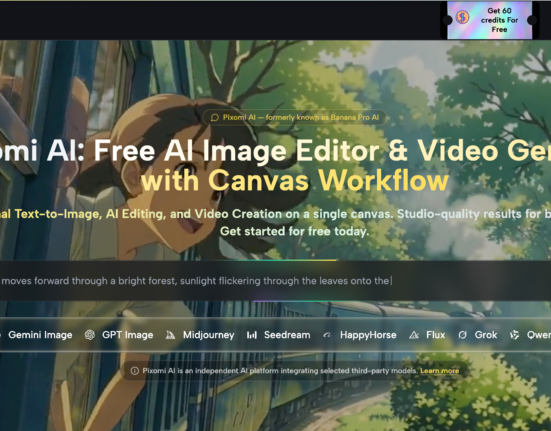
Artificial intelligence has become a regular part of visual content production, helping teams create images, refine concepts, and accelerate design workflows. As organizations publish more content across websites, social media channels, ecommerce stores, advertisements, and digital campaigns, the need for flexible image creation tools continues to grow.
Flux 2 is part of this evolving landscape, offering creators and businesses a platform that brings multiple AI image workflows together in one environment. Rather than focusing on a single image-generation approach, Flux 2 supports a range of creative tasks, from generating visuals from text prompts to editing existing images and refining concepts with reference materials.
This flexibility makes it relevant for marketers, designers, content creators, ecommerce teams, and businesses looking to streamline visual production while maintaining creative control.
The Growing Need for AI-Assisted Visual Creation
Creating professional visual content often requires multiple tools, specialists, and revision cycles. Marketing teams need campaign graphics, ecommerce businesses need product imagery, content teams require blog illustrations, and social media managers need a constant supply of engaging visuals.
AI image generation tools help address these challenges by reducing the time required to move from concept to draft. Instead of starting with a blank canvas, users can quickly create visual directions, experiment with styles, and refine ideas before investing in full-scale production.
Platforms such as Flux 2 aim to support this process by combining image generation and editing workflows into a unified experience.
Text-to-Image Creation for Fast Concept Development
One of the most common AI workflows today is text-to-image generation.
Users can describe a scene, product, concept, or design idea using natural language, and the system generates corresponding visual outputs. This capability is useful across a wide range of industries:
- Marketing campaign concepts
- Blog and editorial illustrations
- Product launch visuals
- Presentation graphics
- Website imagery
- Social media content
- Advertising creatives
For creative professionals, text-to-image workflows can serve as an early-stage ideation tool. Instead of spending hours producing multiple rough drafts manually, teams can quickly explore different visual directions and select the most promising concepts for further refinement.
Image-to-Image Editing and Enhancement
Modern content creation often involves modifying existing visuals rather than creating entirely new ones.
Flux 2 supports image-to-image workflows that allow users to upload an image and apply targeted changes. These edits may include:
- Background replacement
- Style adjustments
- Object modifications
- Visual cleanup
- Product image enhancement
- Creative variations of existing assets
This approach can be valuable for ecommerce businesses updating product catalogs, agencies preparing campaign variations, or content teams adapting visuals for different audiences and platforms.
The inclusion of the GPT Image 2 image generator workflow provides another option for users who need image creation and editing capabilities as part of broader creative projects.
Reference-Based Creative Refinement
One challenge in AI image generation is maintaining consistency across multiple assets.
Reference-based workflows help address this issue by allowing creators to guide image outputs using existing visual materials. Instead of relying solely on text prompts, users can provide reference images that influence style, composition, product appearance, or visual direction.
Practical applications include:
- Maintaining brand consistency
- Creating cohesive social media campaigns
- Developing recurring marketing themes
- Generating product image variations
- Producing consistent visual storytelling assets
This type of refinement can help teams move beyond isolated image generation and toward more structured content production.
Supporting Ecommerce Visual Production
Visual content plays a significant role in ecommerce performance.
Online stores frequently need:
- Product photos
- Lifestyle imagery
- Promotional banners
- Seasonal campaign graphics
- Marketplace assets
- Catalog visuals
AI-assisted workflows can help businesses create supporting visuals faster while reducing reliance on large-scale photoshoots for every marketing variation.
With Flux 2, ecommerce teams can experiment with different visual presentations, backgrounds, and creative concepts while maintaining flexibility throughout the production process.
As with any commercial content workflow, users should review platform terms and model-specific licensing requirements before publishing assets for business use.
Marketing Creatives and Advertising Assets
Marketing departments often require a large volume of visual assets across multiple channels.
Campaigns may include:
- Display advertisements
- Landing page graphics
- Social media visuals
- Email marketing banners
- Video thumbnails
- Event promotions
- Poster designs
AI image generation can help teams quickly produce draft concepts and creative variations for testing purposes. Rather than creating every version manually, marketers can generate multiple directions and refine the most suitable options.
This approach supports faster iteration cycles while preserving opportunities for human review and creative oversight.
Social Media and Content Publishing
Content teams face ongoing demand for fresh visuals.
Blog articles, newsletters, social media posts, community updates, and digital publications all benefit from relevant imagery. AI-powered workflows can assist with creating supporting visuals that align with editorial themes and publishing schedules.
Flux 2 can fit into content production pipelines by helping teams generate:
- Featured article images
- Social media graphics
- YouTube thumbnails
- Infographics
- Promotional visuals
- Event announcements
The ability to move between generation and editing workflows can simplify the process of adapting visuals for different channels and formats.
Multiple AI Workflows in One Platform
An important trend in AI image creation is workflow diversity.
Different creative tasks may benefit from different image-generation approaches. Instead of relying on a single model or workflow for every project, many users prefer access to multiple options.
Flux 2 provides access to various supported workflows, including:
- Flux 2
- GPT Image 2
- GPT-4o Image
- Imagen 4
- Flux1 Kontext
- Nano Banana Pro
- Seedream v4
- Z Image
- Additional supported image-generation workflows
The goal is not necessarily to identify one workflow as universally better than another. Instead, creators can select the workflow that best matches the requirements of a specific project, whether they are generating product visuals, editing existing assets, creating marketing graphics, or developing concept artwork.
AI as a Creative Partner Rather Than a Replacement
The most effective use of AI image tools often involves collaboration between technology and human expertise.
Designers, marketers, photographers, and content creators still play a critical role in shaping visual direction, evaluating quality, maintaining brand standards, and making strategic creative decisions.
Platforms such as Flux 2 can assist with production efficiency, experimentation, and concept development, but successful visual communication continues to depend on human judgment and creative intent.
Conclusion
As visual content demands continue to increase across industries, organizations are exploring practical ways to accelerate production without sacrificing quality or flexibility.
Flux 2 represents a modern approach to AI-powered image creation by bringing together text-to-image generation, image editing, reference-based refinement, product visualization, marketing asset creation, and content design workflows within a single platform. By supporting multiple image-generation options and creative workflows, it provides teams with the flexibility to choose the right tool for each project while maintaining an efficient production process.
For creators, marketers, ecommerce businesses, and content teams, platforms like Flux 2 illustrate how AI can become a useful component of modern visual storytelling and digital content creation.
For more, visit Pure Magazine