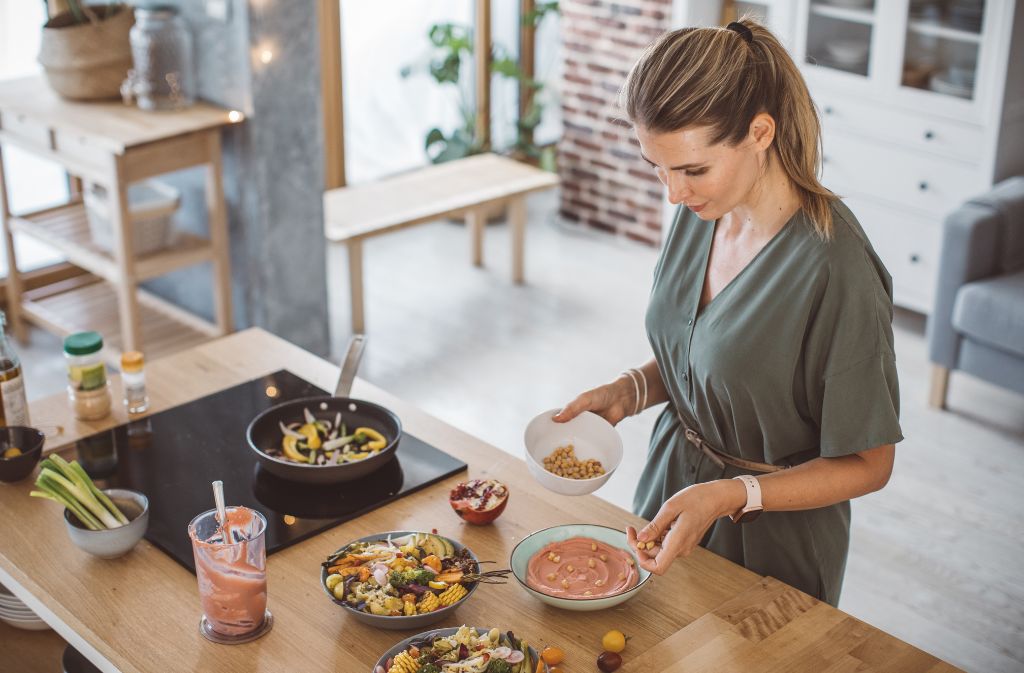
Recently, the way we think about food and how we approach eating has shifted significantly. For many people, eating used to be something done out of necessity or convenience. Now, a growing number of us are moving towards a more conscious and intentional relationship with meals and nourishment. The contrast between everyday dining and intentional eating reveals how modern lifestyles, health trends, and cultural values have reshaped our food experiences.
Understanding Everyday Dining
Everyday dining is something most people experience as part of their routine. It refers to meals eaten out of habit or convenience rather than careful planning. A quick breakfast before work, a desk lunch, or an easy evening meal all fall into this category. The focus is usually on speed and practicality, especially during busy weekdays.
As work patterns have become more demanding, everyday dining has increasingly relied on food that is quick to prepare or easy to serve. In cafés, workplaces, and hospitality settings, this often means streamlined menus and efficient service. While this approach meets practical needs, it can sometimes reduce opportunities to think about food quality, sourcing, and overall experience.
What Is Intentional Eating?
Intentional eating takes a more conscious approach. It involves making deliberate decisions about food choices, portion sizes, and how meals are presented and consumed. Rather than eating on autopilot, intentional eating encourages awareness of ingredients, preparation methods, and how food supports both physical and mental well-being.
This mindset applies not only to individuals but also to businesses. Restaurants, cafés, and caterers practising intentional eating principles are more likely to think carefully about menu design, ingredient sourcing, and consistency. Food becomes a reflection of values such as quality, care, and reliability, not just a way to meet demand.
Why Eating Habits Are Shifting
Growing awareness of health, well-being, and sustainability has played a key role in changing eating habits. Customers are more informed and increasingly interested in what goes into their food, even in everyday settings. This has raised expectations across the hospitality and food service sector.
Food culture has also become more visible. Social media, workplace wellbeing initiatives, and changing consumer preferences have encouraged businesses to raise standards while still meeting demand. As a result, many food businesses are rethinking how they balance efficiency with quality.
The Role of Food Quality in Everyday Settings
Intentional eating places strong emphasis on quality, even in routine dining environments. For businesses, this means offering food that is dependable, thoughtfully made, and suitable for repeated service. Customers may not always see where food comes from, but they notice freshness, flavour, and consistency over time.
Wholesale suppliers play a key role in supporting this shift. Working with partners such as Kara Bakery allows cafés, offices, and hospitality venues to deliver high-quality baked goods at scale without sacrificing efficiency. This kind of partnership helps bridge the gap between everyday dining needs and more intentional food standards.
Balancing Practicality and Purpose
Everyday dining is unlikely to disappear. Convenience will always matter, especially in busy commercial settings. However, intentional eating does not require sacrificing efficiency. Instead, it encourages smarter choices within existing systems.
For businesses, this might mean reviewing suppliers, simplifying menus while improving quality, or choosing products that align with customer expectations. For consumers, it means benefiting from better food experiences even during routine meals.
A Changing Food Landscape
The shift from everyday dining to more intentional eating reflects a broader change in how food is valued. Eating is no longer seen as just a necessity but as part of wellbeing, identity, and experience. As expectations continue to evolve, the role of food businesses and their suppliers becomes increasingly important in shaping how intentional eating shows up in everyday life.
For more, visit Pure Magazine