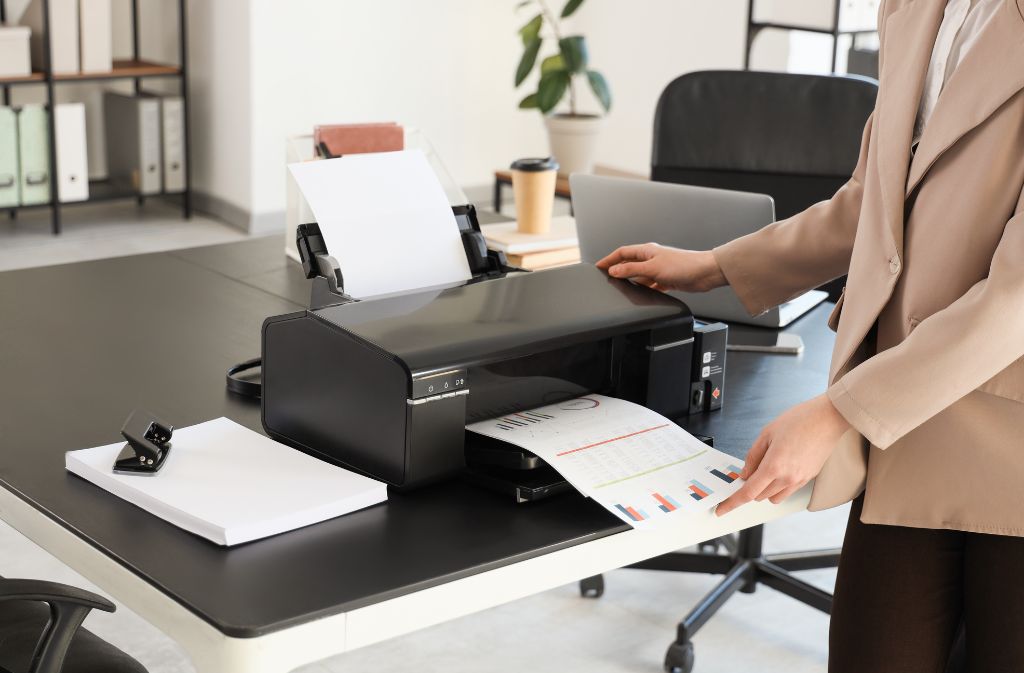
Buying a printer can feel deceptively simple until you start dealing with running costs, compatibility issues, and maintenance headaches. With so many models on the market, it’s easy to focus only on the upfront price and overlook the long-term impact of your choice. A little planning and insider knowledge can save you money, time, and frustration down the line.
Look Beyond the Printer Price
The upfront cost of a printer is often just the beginning. Some low-cost printers make up for their price with expensive ink or toner. Always check the cost of consumables and estimate how often you’ll need to replace them based on your printing habits.
For businesses or users with consistent printing needs, a printer lease can sometimes be a smarter option than purchasing outright. Leasing agreements often include maintenance, support, and predictable monthly costs, helping organisations manage expenses while ensuring reliable equipment.
Buy Replacement Ink and Toner Online
One of the biggest ongoing expenses is ink or toner, so where you buy it matters. Reliable online suppliers often offer better value than high-street options and can save you time with fast shipping. Look for trusted sites that offer next-day delivery, especially if you rely on your printer for work or study. In general, purchasing ink cartridges online from a dependable supplier ensures quality, convenience, and minimal downtime.
Match the Printer to Your Actual Needs
Don’t overbuy features you’ll never use, as they often add unnecessary cost and complexity. If you mostly print text-based documents such as reports, invoices, or letters, a monochrome laser printer is usually more economical, faster, and cheaper to run than an inkjet. On the other hand, if you regularly print photos, marketing materials, or graphics, prioritise high print resolution, accurate colour reproduction, and compatible paper types. Taking time to assess what you actually print day to day helps you choose a printer that performs well without wasting money on features you don’t need.
Check Connectivity Options
Modern printers come with USB, Wi-Fi, and even mobile printing capabilities. Make sure the printer supports the devices you’ll use most, whether that’s a laptop, tablet, or smartphone. Wireless printing can be a big productivity boost in shared spaces.
Consider Size and Space
Printers vary widely in size. Before purchasing, measure your available space and think about where the printer will live. Compact models are ideal for home offices, while larger multifunction printers suit high-volume environments.
Read Reviews with a Focus on Reliability
Specs and marketing claims don’t always reflect real-world performance. User reviews can highlight recurring problems such as frequent paper jams, poor print quality over time, slow performance, or unreliable wireless connections. It’s also worth noting how manufacturers respond to negative feedback, as this can give you insight into the level of support you can expect if issues arise.
Check Warranty and Support
A solid warranty and dependable customer support can make a big difference over the life of your printer. Look for clear warranty terms that cover common faults and provide reasonable repair or replacement options. Beyond the warranty itself, consider how easy it is to contact support services, access drivers, and find troubleshooting guides online. Printers with readily available replacement parts and strong after-sales service tend to be less stressful and more cost-effective in the long run.
To Sum Up
A printer is an investment, not just a purchase. By thinking ahead about running costs, ink and toner availability, and how you’ll actually use the device, you can avoid common pitfalls and choose a printer that works for you, not against you.
For more, visit Pure Magazine