


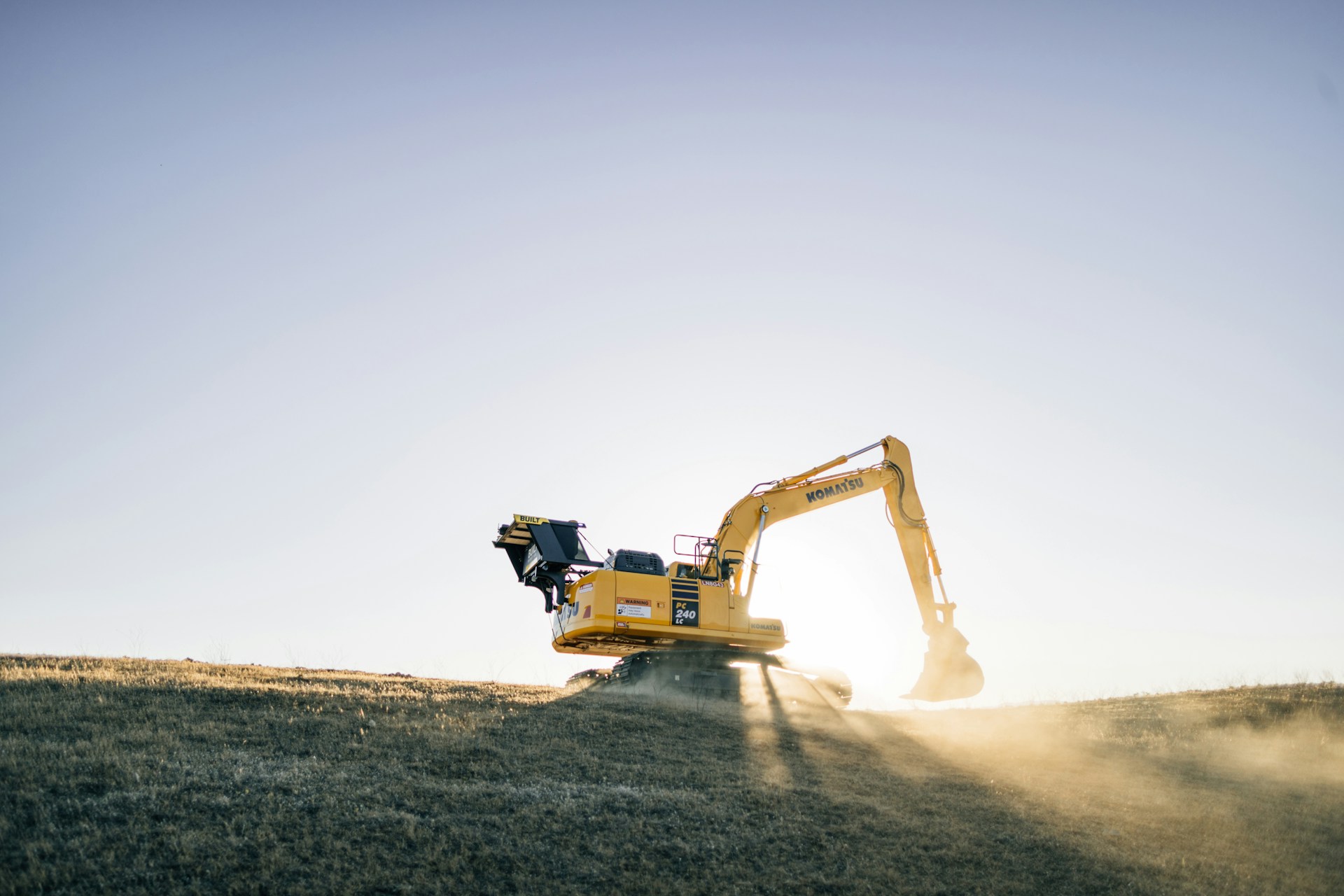
Excavator mulcher attachments are widely used in land clearing, vegetation management, and right-of-way maintenance. Built to handle demanding conditions, these attachments are designed for durability, but like any heavy equipment, their performance and lifespan depend heavily on proper maintenance.
Neglecting routine care can lead to reduced efficiency, increased wear, and unplanned downtime. By implementing consistent maintenance practices, operators can ensure reliable performance while protecting their investment.
Why Maintenance Matters
Mulcher attachments operate under high stress, often in abrasive environments involving dirt, wood, and debris. Without regular upkeep, components can degrade quickly, affecting both output quality and machine safety.
Effective maintenance helps to:
- Extend the lifespan of key components
- Maintain consistent cutting performance
- Reduce the risk of mechanical failure
- Minimise costly downtime
A proactive approach is always more cost-effective than reactive repairs.
Conduct Daily Visual Inspections
Routine inspections are one of the simplest yet most effective ways to prevent issues from escalating.
Before and after each use, operators should check for:
- Visible damage to the mulching head
- Loose or missing bolts
- Cracks in the frame or housing
- Hydraulic hose wear or leaks
Identifying small issues early can prevent more serious mechanical failures during operation.
Monitor Cutting Tools and Teeth
The cutting teeth are among the most critical components of a mulcher attachment. Worn or damaged teeth reduce efficiency and place additional strain on the machine.
Key practices include:
- Inspecting teeth regularly for wear or breakage
- Replacing damaged or blunt teeth promptly
- Ensuring all teeth are evenly worn to maintain balance
Operating with uneven or worn teeth can lead to vibration, reduced cutting quality, and increased fuel consumption.
Maintain Proper Lubrication
Lubrication is essential for reducing friction and preventing premature wear. Moving parts such as bearings and rotating components require consistent greasing.
Operators should:
- Follow manufacturer-recommended lubrication schedules
- Use the correct type of grease for the application
- Ensure grease points are clean before application
Neglecting lubrication can lead to overheating and accelerated component failure.
Check Hydraulic Systems Regularly
Excavator mulchers rely on hydraulic power for operation, making the hydraulic system a critical area of focus.
Routine checks should include:
- Inspecting hoses and fittings for leaks or damage
- Monitoring hydraulic fluid levels
- Checking for signs of overheating
- Ensuring connections are secure
Any drop in hydraulic efficiency can directly impact the attachment’s performance and cutting capability.
Clean the Attachment After Use
Mulching operations often result in the buildup of debris, sap, and dirt on the attachment. Over time, this accumulation can interfere with performance and make inspections more difficult.
After each use:
- Remove debris from the cutting head and housing
- Clear material from moving parts
- Wash down the attachment if necessary
Keeping the equipment clean not only improves performance but also makes it easier to spot wear or damage.
Avoid Overloading the Attachment
Operating beyond the attachment’s intended capacity can lead to excessive wear and potential failure.
To prevent overloading:
- Match the attachment to the excavator’s specifications
- Avoid forcing the mulcher through material too quickly
- Allow the cutting head to work at its designed pace
Understanding the limits of both the machine and attachment is essential for maintaining long-term reliability.
Store Equipment Correctly
Proper storage is often overlooked but plays an important role in maintaining attachment conditions.
When not in use:
- Store the attachment in a dry, sheltered environment
- Protect hydraulic connections from dirt and moisture
- Ensure the unit is positioned securely to prevent damage
Exposure to the elements can accelerate corrosion and degrade components over time.
Follow Manufacturer Guidelines
Each attachment model may have specific maintenance requirements. Consulting manufacturer documentation ensures that maintenance is performed correctly and at appropriate intervals.
Many providers of excavator mulcher attachments offer detailed service guidelines, including recommended inspection intervals and replacement schedules.
Similarly, broader guidance on maintaining earthmoving attachment tools can provide useful context for best practices across different types of hydraulic equipment.
Keep Maintenance Records
Maintaining a log of inspections, servicing, and repairs can help track the condition of the attachment over time.
Benefits of record-keeping include:
- Identifying recurring issues
- Planning preventative maintenance
- Supporting warranty claims
- Improving fleet management decisions
Accurate records make it easier to anticipate maintenance needs and avoid unexpected downtime.
Train Operators on Proper Use
Even the best maintenance routine cannot compensate for improper operation. Ensuring that operators understand how to use the attachment correctly is essential.
Training should cover:
- Safe operating techniques
- Correct handling of different vegetation types
- Awareness of machine limits
- Basic inspection procedures
Well-trained operators are more likely to identify potential issues early and use the equipment in a way that reduces wear.
Final Thoughts
Maintaining excavator mulcher attachments requires a combination of regular inspections, proper operation, and adherence to service guidelines. By taking a proactive approach, contractors can extend equipment lifespan, improve performance, and reduce the likelihood of costly breakdowns.
In demanding environments where reliability is critical, consistent maintenance is not just a recommendation it is an essential part of efficient and safe operations.
For more, visit Pure Magazine