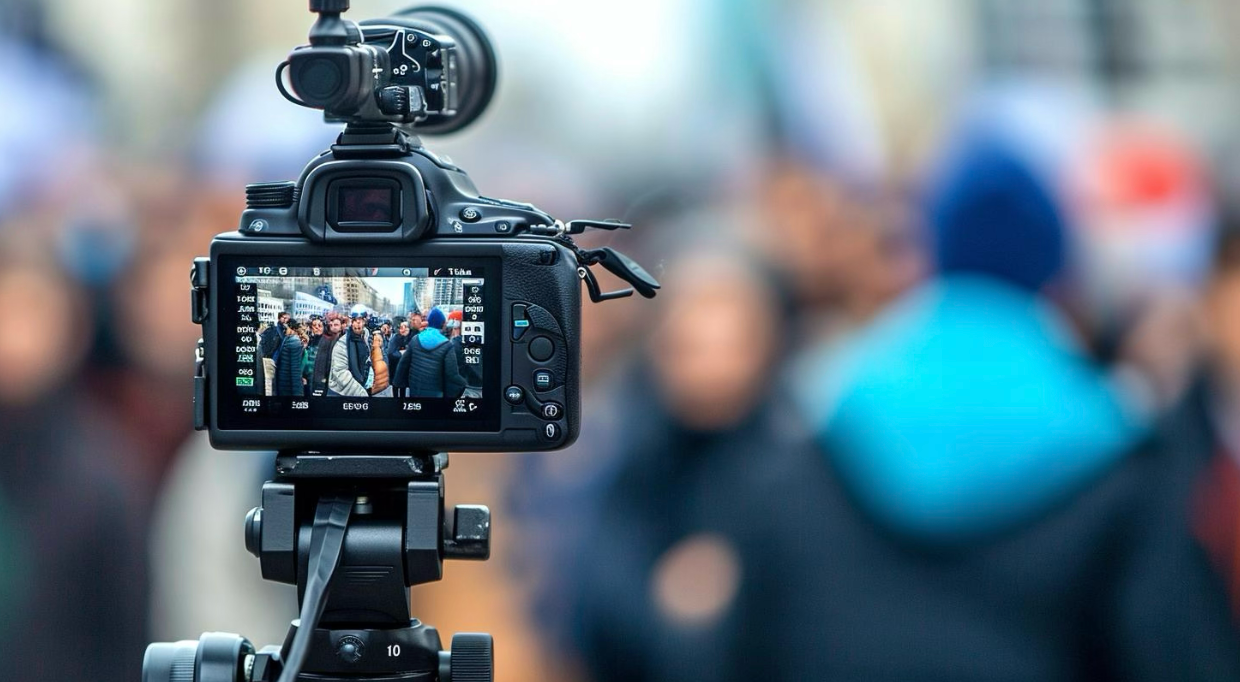
A Guide to Live Streaming Event Services
Broadcast-quality coverage of live events has become an increasingly important requirement across corporate, educational, and entertainment sectors. Investing in professional Live Streaming Event Services ensures that audiences who cannot attend in person can engage with the proceedings in real time, while the recordings produced can serve as valuable content long after the event concludes.
What Live Streaming Event Services Actually Involve
Live streaming for events is far more complex than simply pointing a camera at a stage and pressing record. A professional setup typically involves multiple camera positions to allow for dynamic switching between wide shots, close-ups, and presentation slides or screens. The audio feed must be captured cleanly and mixed in real time, while encoding and transmission software ensures the stream reaches its intended platform reliably without lag or buffering.
Platform Selection and Audience Access
The choice of streaming platform depends on the nature of the event and the audience. Public events are commonly streamed via YouTube or LinkedIn, while private corporate sessions may use password-protected services or dedicated virtual event platforms. Each option has different capabilities in terms of viewer interactivity, maximum audience size, and analytics, all of which should be considered when planning the technical setup.
Technical Infrastructure and Equipment
A reliable stream depends on robust infrastructure at the venue. Dedicated wired internet connections are strongly preferred over Wi-Fi, as wireless networks in busy event environments are prone to interference and inconsistent bandwidth. Encoding hardware or software converts the camera signal into a format suitable for transmission, while redundant internet connections provide a backup in the event of a primary connection failure.
Multi-Camera Setups and Switching
Events with multiple speakers, performances, or presentation areas benefit from a multi-camera approach directed by a vision mixer. This allows the stream to transition smoothly between camera angles, maintaining visual interest and ensuring that relevant on-screen content, such as slides or demonstrations, is captured clearly. Single-camera setups are appropriate only for smaller, simpler events with a single focal point.
Audio Quality in Live Streaming
Poor audio is one of the most common failings in event live streams. Clear, consistent audio depends on the correct microphone selection for each speaker or performer, a clean signal chain from the source to the mixer, and careful gain staging to avoid distortion or drop-out. Lapel microphones, handheld radio mics, and lectern-mounted condensers each serve different purposes and the right combination depends on the format of the event.
Combining Live Streaming with Still Photography
Many event organisers choose to combine live streaming with still photography to ensure comprehensive coverage of the occasion. Engaging an Event Photographer in London alongside a streaming crew provides both real-time broadcast content and a curated gallery of high-resolution imagery for post-event use. When both services are coordinated under a single provider, the logistics are considerably simpler, and the creative output tends to be more cohesive.
Scheduling and Coordination on the Day
Effective coordination between the streaming team and photography team prevents conflicts over camera positions, lighting arrangements, and movement through the event space. A shared briefing document and a designated point of contact for each team minimises disruption and ensure both crews can operate efficiently within the same environment.
Post-Event Video Content and Repurposing
The recorded stream, once processed and edited, becomes a versatile asset. Edited highlights, speaker presentations, and key session recordings can be repurposed for website content, social media clips, internal training materials, or future promotional use. Planning for post-event repurposing from the outset ensures the correct footage is captured and archived in a suitable format.
Conclusion
Live streaming event services demand careful planning, the right technical infrastructure, and experienced operators. Understanding what the service involves, from platform selection and multi-camera direction to audio management and post-event content, allows organisations to make well-informed decisions that maximise the value of their event coverage.
For more, visit Pure Magazine