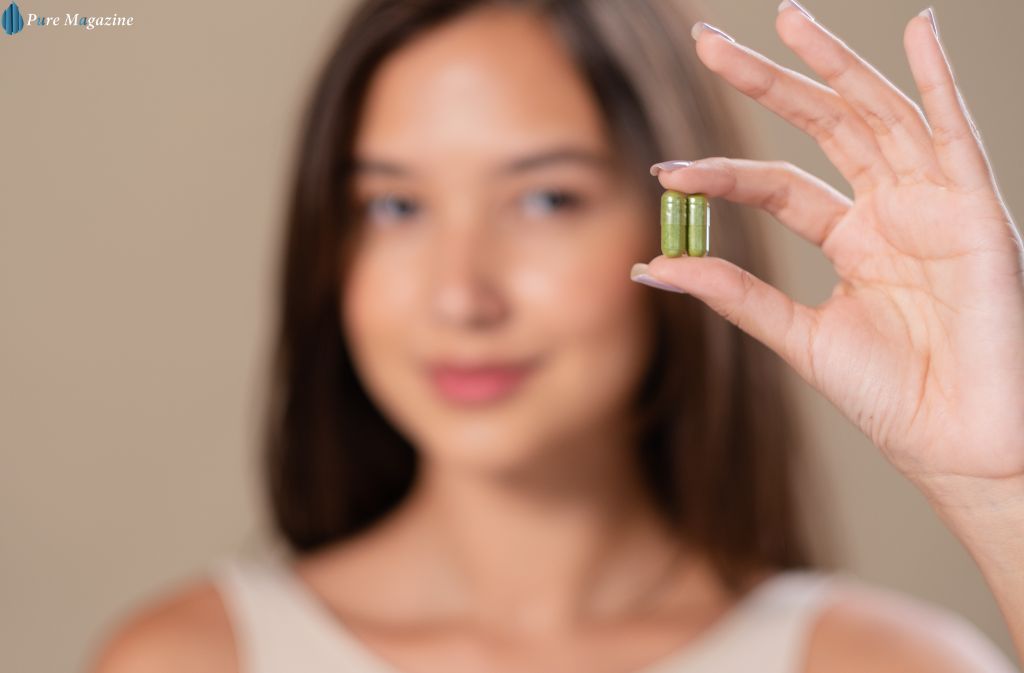
Walk into any pharmacy or health food shop in the UK, and you’ll find collagen products stacked on shelves like they’re going out of fashion. Powders, capsules, drinks, gummies… the range is genuinely overwhelming. And because the beauty and wellness industry has a long history of selling hope in a bottle, it’s reasonable to be sceptical. The question most people quietly ask themselves is whether any of it is worth the money, or whether it’s just expensive marketing dressed up in scientific language.
The honest answer is: it’s complicated. Collagen itself is very real. It’s the most abundant protein in the human body, found in skin, joints, tendons, and connective tissue. From your mid-twenties onwards, your body produces less of it – gradually, and then noticeably. That’s not a wellness industry invention; that’s just biology. Where things get murkier is around whether taking collagen orally actually gets to where it needs to go, or whether your digestive system simply breaks it down before it can do much useful work.
Why the Form It Comes In Actually Matters
A lot of the research that’s been done on oral collagen supplementation points to hydrolysed collagen (also called collagen peptides) as the more bioavailable option. Whether those peptides then stimulate collagen production in your skin or joints is still being studied, but the early evidence is more promising than people tend to expect.
What gets less attention is the supporting cast. Collagen doesn’t work in isolation in the body, and a supplement that pairs collagen with cofactors, things like vitamin C, NADH, or specific antioxidants, is taking a more considered approach than one that just packs in raw collagen and calls it a day. The Nutraxin Collagen Supplement takes this approach, combining collagen with NADH (nicotinamide adenine dinucleotide), which has attracted attention for its role in cellular energy and skin health. It’s a less common pairing, but it reflects a broader shift in how some brands are thinking about beauty supplements; it’s less about flooding the body with one ingredient and more about giving it the tools to do something useful with what it receives.
The Skin Conversation Is Only Part of It
Most collagen marketing is almost exclusively aimed at skin, which makes sense commercially because that’s what sells. But collagen is equally critical for joint cushioning and bone density, and these are the areas where some of the more compelling research exists. Women going through perimenopause, for example, often experience a fairly dramatic drop in collagen levels alongside oestrogen, and joint pain or stiffness can be one of the early signs that something’s shifting. It’s not always talked about in these terms, but it should be.
That doesn’t mean collagen supplements are a substitute for anything – they’re not going to replace physiotherapy for a knee injury, or sort out a diet that’s otherwise lacking in protein. But as part of a reasonable routine, there’s a genuine case for them that goes well beyond vanity.
Consistency Is the Boring But Actual Point
Anyone who’s tried a collagen supplement for a week and decided it “didn’t work” has missed the point entirely. The studies showing measurable results tend to run for eight to twelve weeks at a minimum. Skin doesn’t turn over overnight, and collagen synthesis takes time. You’re essentially asking your body to rebuild something slowly, which is not the kind of thing that makes for exciting before-and-after photography, but is how the biology actually functions.
The people who seem to get the most from collagen supplementation are the ones who treat it like a long-term habit rather than a quick fix, similar to how you’d think about omega-3s or a daily vitamin. Irregular, sporadic use probably won’t move the needle much.
If you’re considering adding something to your routine, it’s worth paying attention to the formulation rather than just the collagen content figure on the label.
For more, visit Pure Magazine