RSS Letter No 0876: Viral Claim vs Reality in 2026
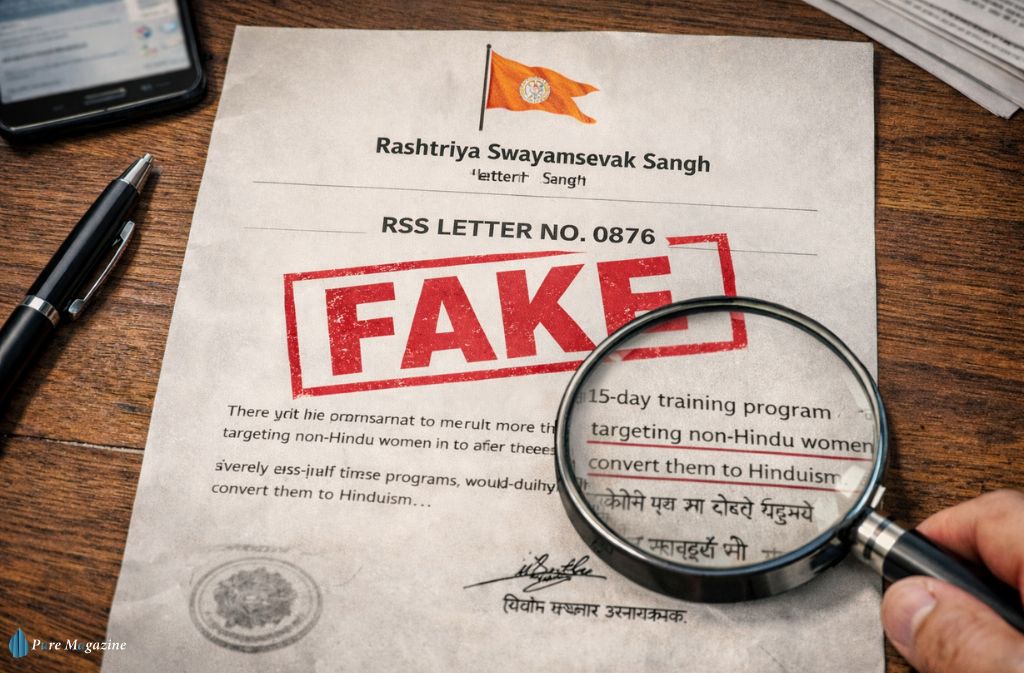
Searches for “rss letter no 0876” surged across India and South Asia in 2026 after a document began circulating on social media claiming to be an internal directive from the Rashtriya Swayamsevak Sangh (RSS).
The alleged letter attributed instructions to RSS leadership encouraging Hindu men to target and convert women from other religious communities. The message spread rapidly through messaging apps and political forums.
But investigations by independent fact-checking organizations quickly reached a clear conclusion:
The document known online as “RSS Letter No 0876” is a morphed fake.
Multiple verification checks show the document is fabricated and not an official communication from the organization.
Understanding how this misinformation spread — and how to identify similar hoaxes — is now more important than the document itself.
What the Viral RSS Letter No 0876 Claims
The circulating image presents itself as a formal directive allegedly signed by RSS leadership.
The viral version claims:
- Hindu men should undergo a 15-day training program
- Participants should target women from other religions
- The objective would be religious conversion through relationships
Because the claim is extremely sensitive and potentially inflammatory, it spread quickly online.
However, every verifiable indicator points toward fabrication.
The Verified Reality: Why Fact-Checkers Say It’s Fake
Independent fact-checking groups in India analyzed the document and identified several clear inconsistencies.
1. Incorrect Organizational Logo
The letter uses a distorted version of the RSS emblem featuring the Bhagwa Dhwaj (saffron flag).
Official communications from the organization use standardized letterheads, which differ significantly from the viral image.
2. Uncharacteristic Language Style
The tone of the document is unusually aggressive and informal.
Official communications from the Rashtriya Swayamsevak Sangh typically use:
- formal Hindi
- structured messaging
- ideological language rooted in cultural philosophy
The viral letter uses simplified and inflammatory wording, which experts say does not match the organization’s standard communication style.
3. No Record in Official Archives
Another major red flag: no official archive contains such a letter.
There is:
- no mention on the RSS official website
- no reference in speeches
- no confirmation from official communication channels
This strongly suggests the document was manufactured outside the organization.
RSS Letter No 0876: Fact vs Fiction
| Feature | Claim in Viral Post | Verified Fact (2026) |
|---|---|---|
| Origin | Official RSS directive | Fabricated document |
| Topic | Conversion targets and training program | Hoax – no such directive exists |
| Logo | Official RSS seal | Incorrect or morphed graphic |
| Distribution | Internal organizational letter | Viral misinformation on social media |
| Authenticity | Genuine document | Confirmed fake |
This distinction is crucial because misinformation involving religion and identity can quickly fuel communal tension.
Why the RSS Letter No 0876 Hoax Spread So Quickly
The rapid spread of the rss letter no 0876 hoax reflects a broader pattern in the modern information ecosystem.
Several factors contributed.
1. Social Media Amplification
Messaging platforms allow images and PDFs to spread instantly.
Once a document appears to look official, users often forward it without verification.
2. Political Polarization
Topics involving religion, identity, or nationalism tend to attract strong reactions.
That emotional response accelerates viral sharing.
3. Visual Authenticity Tricks
The fake letter mimicked common elements of official documents:
- stamps
- logos
- signatures
- reference numbers
These visual cues create a false sense of legitimacy.
The “RSS” Confusion: Organization vs Technology
Another reason for the unusual search trend is confusion between two completely different meanings of RSS.
| Term | Meaning |
|---|---|
| RSS (Organization) | Cultural organization in India |
| RSS Feed | Really Simple Syndication used for website updates |
Some blogs mistakenly interpreted rss letter no 0876 as a technical document related to RSS feeds, which created additional misleading articles.
Understanding the difference helps clarify why search results initially became chaotic.
Also Read: UK Micro Influencers Tax Obligations 2026: DPR, Gifted Products & HMRC Nudge Letters
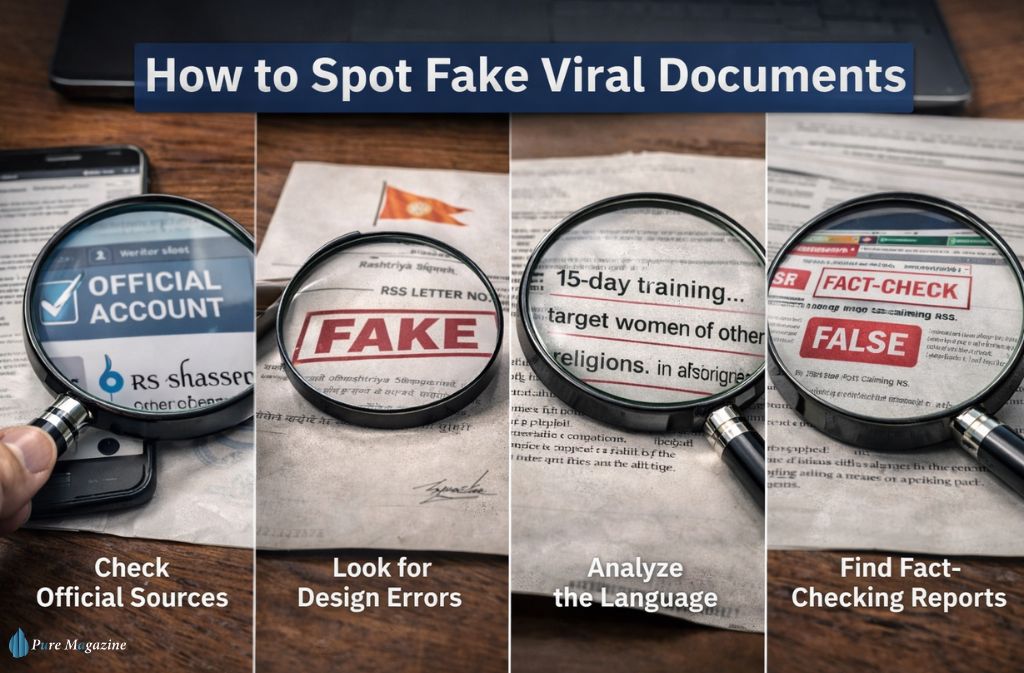
How to Spot Fake Viral Documents
The rss letter no 0876 incident offers a useful lesson in digital verification.
Here are practical steps anyone can use.
1. Check Official Sources
Always verify whether the document appears on the organization’s official website or verified social media accounts.
2. Examine the Logo and Formatting
Fake documents often contain:
- stretched logos
- inconsistent fonts
- incorrect seals
Small design errors are common in forgeries.
3. Analyze the Language
Organizations typically maintain a consistent tone.
If the wording sounds unusually aggressive or sensational, that is a warning sign.
4. Look for Fact-Checking Reports
Independent verification organizations frequently investigate viral claims.
A quick search often reveals whether a document has already been debunked.
Why Debunking Misinformation Matters in 2026
The rss letter no 0876 hoax illustrates a larger problem in modern digital ecosystems.
False documents can:
- trigger political outrage
- increase religious tensions
- distort public debate
- damage institutional trust
Because misinformation spreads faster than corrections, early verification is essential.
In 2026, search engines and social platforms increasingly prioritize credible fact-checking content to reduce the spread of harmful narratives.
FAQs
Q. What is RSS Letter No 0876?
RSS Letter No 0876 refers to a viral document circulating online that claims to be an internal directive from the Rashtriya Swayamsevak Sangh. Fact-checkers have confirmed it is a fabricated document.
Q. Is RSS Letter No 0876 real?
No. Independent verification shows the letter is fake and does not exist in official RSS communications.
Q. Why did the RSS Letter No 0876 go viral?
The document spread through social media because it appeared official and contained controversial claims related to religion and identity.
Q. Did RSS issue any statement about the letter?
The organization has denied the authenticity of the document and confirmed it is not an official directive.
Q. Why are some websites explaining RSS Letter No 0876 differently?
Some websites misunderstood the term “RSS” and confused it with RSS feeds, while others repeated the viral claim without verifying it.
Conclusion
The story of rss letter no 0876 is not really about a secret document. It is about how misinformation spreads in the digital age.
A fabricated image, designed to look official, triggered thousands of searches and countless blog posts before verification caught up.
The lesson is clear:
In an era of viral information, credibility matters more than speed.
Before believing or sharing a document online, pause and verify the source. Because sometimes the most viral “documents” turn out to be nothing more than well-designed fakes.
Related: LBYTHJ: The Internet’s Strange Obsession with a Five-Letter Mystery