


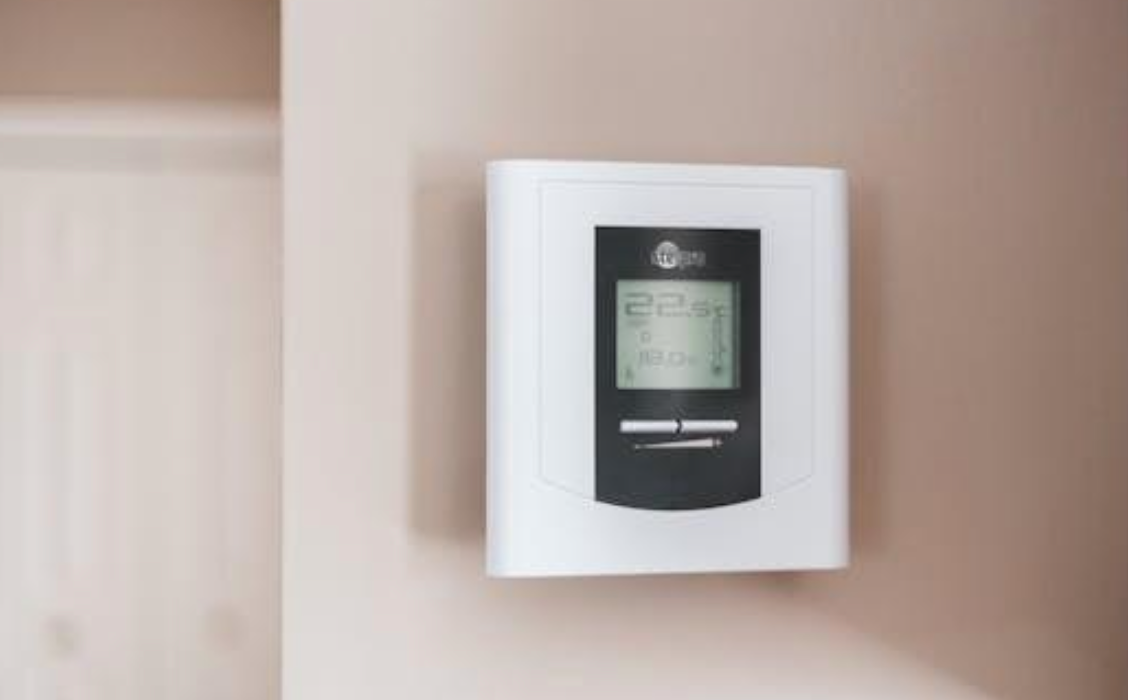
Temperature balance sounds like a polite little compromise. All it takes is a simple adjustment of the dial. A quick blast of heat occurs. Then everyone sits comfortably, like characters in a brochure. Reality refuses. Buildings hoard heat, leak it, bounce it around, and punish the innocent with draughts. Bodies run on their own odd schedules, too. One person sweats while another shivers, and both insist the room feels “wrong”. The real shock is that comfort isn’t one number. Comfort is a dynamic and ever-changing concept. Noise and light can even sway judgement.
Rooms Lie, Sensors Guess
The thermostat claims power and then relinquishes it. A sensor on an inside wall can report a comfortable average while the window seat stays frigid. Near a heat source, it may overreact and cycle early. Given that comfort encompasses more than just air temperature, smart controls can adapt to changing conditions. Even with a fine number, glass coolness, cold floors, wet areas, and sunlight striking one side of the room can influence how a person feels. In actuality, many households and small locations choose a thorough examination and calibration over a speedy install. Providers with published details, such as Sub Cool FM (www.sub-cool-fm.co.uk), emphasise assessment and feedback as part of the setup, which is helpful for evaluating possibilities. The goal is consistent comfort throughout used areas, not a flawless sensor reading.
Heat Has Momentum
Heat is like a stadium crowd departing. Heating is slow, stubborn, and forced. Concrete slabs absorb heat for hours and leak it when the boiler stops. Lightweight rooms switch between hot and cold at noon and four. A kettle, laptop, three persons, and a south-facing window increase the load because controls always react late. Prediction, not reaction, is needed for perfect balance, but most homes lack data. Weather disrupts routines. The curtains open and close, changing every aspect of living, including home temperature and light levels, which can affect comfort and energy use.
Comfort Is Political
Temperature disputes look technical. They aren’t. They’re social warfare conducted with radiators. The meeting room is hot because one manager dislikes “stuffy air.” Then everyone else opens a window, and the heater fights the cold like a bored boxer. Bedrooms turn into ideological zones. One partner wants Arctic sleep, while the other wants a tropical cave. Bodies differ by age, hormones, activity, clothing, and even lunch. Engineers can design systems. They can’t design an agreement. That’s why balanced benchmarks collapse under the influence of human behaviour. People also lie about comfort, which seems tough. Pride sets the thermostat.
Ventilation Breaks the Spell
Fresh air costs heat. Shut the windows and the room warms, then CO₂ rises, and headaches ache. Open them, and comfort evaporates. Mechanical ventilation helps, yet it can also cause problems, such as creating uncomfortable draughts and uneven temperature distribution in the room. Supply air that feels “cool” even when it sits at 18°C, because velocity strips warmth from skin. Extractor fans pull in draughts through every crack. Humidity adds another twist. Dry air makes 20°C feel harsh. Damp air makes 20°C feel clammy. Balance means juggling air quality and sensation. Filters clog, flow drops, and the math changes again. Bathrooms spike moisture, then radiate chill.
Conclusion
Temperature balance fails when people treat it as a single dial. It’s a web of physics and preference, and physics rarely negotiates. A room includes surfaces, air movement, sunlight, moisture, stored heat, and the chaotic habits of occupants who keep changing the rules. Controls can improve things, yet they can’t erase uneven glazing, poor insulation, or a family argument about “fresh air”. The sensible aim isn’t perfection. It’s stability, zoning, and honest expectations, backed by measured evidence rather than folklore. Comfort comes from reducing surprises, not chasing a mythical number. Good design accepts mess, then contains it.
For more, visit Pure Magazine