


Online entertainment in Nepal in 2026 is being shaped by two forces that now work together almost automatically: easier mobile access and more normal everyday digital payments. The result is simple but important. Entertainment no longer feels like something that begins only after a long login, a desktop session, or a special purchase decision. It can start quickly, move across formats, and fit into ordinary daily gaps. Nepal’s latest digital snapshot shows 16.6 million internet users, 14.8 million social media user identities, and 32.4 million mobile connections, while mobile broadband penetration is around 96 percent according to Nepal Telecommunications Authority indicators. That is the kind of environment where convenience stops being a bonus and becomes the baseline.
This matters because online entertainment is no longer one category. A user may open a sports update, switch to a short clip, check a live score, make a payment, and then spend time on a gaming style platform without feeling they have left the same digital routine. Better access makes that movement possible. Better payment confidence makes it repeatable. Together, they turn occasional digital leisure into a habit.
Mobile access changed the rhythm first
The phone has become the main door into digital life, and that changes how entertainment is designed. People usually arrive in bursts: before work, after class, during travel, at halftime, or late in the evening when attention is short but not fully gone. That favors services that load fast, remember preferences, and reduce the number of steps between interest and action. It also explains why broad Android compatibility matters so much. In February 2026, Android accounted for 77.69 percent of Nepal’s mobile OS market, compared with 22.28 percent for iOS.
Once mobile becomes the default device, the whole tone of entertainment shifts. Users want shorter sessions, clearer menus, faster alerts, and interfaces that can handle weak patience as well as unstable attention. That helps explain the rise of multi-use platforms that combine live content, stats, notifications, and interactive features in one place. A product that feels smooth on a phone usually gets more chances than one that feels clever but slow.
Payments made entertainment easier to activate
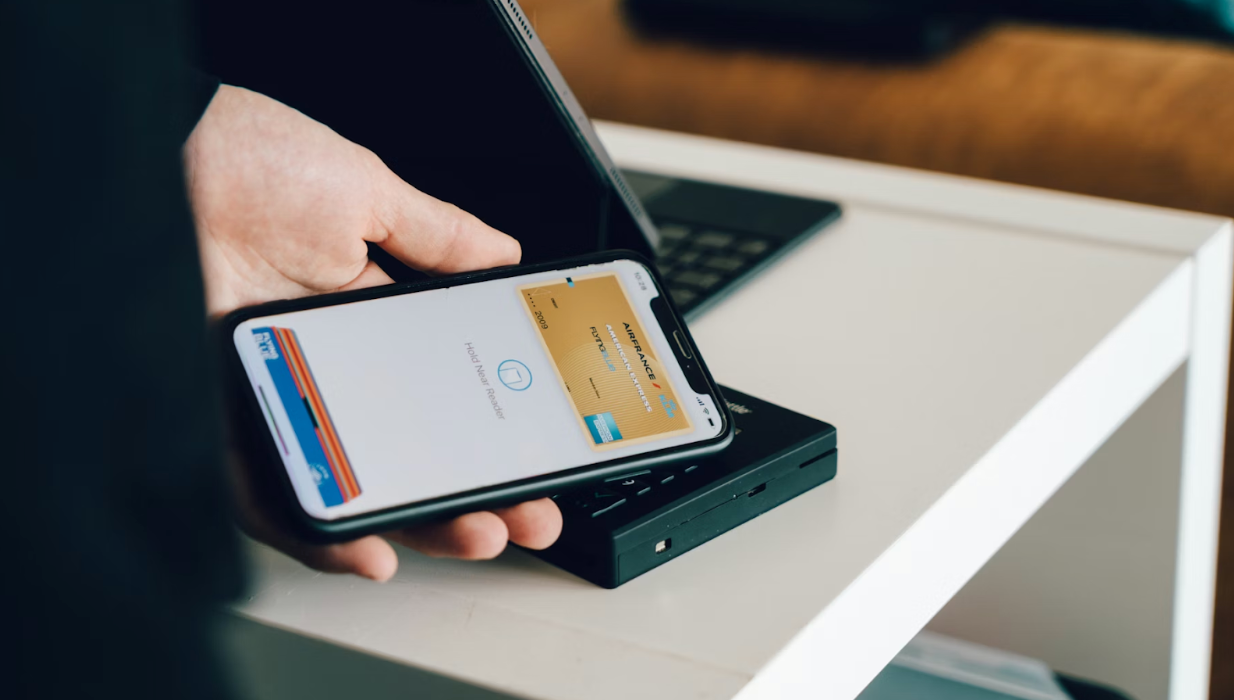
The second big shift is payments. Nepal Rastra Bank’s Payment Systems Indicators for Pus 2082, published in February 2026, show very heavy use across digital payment rails, including mobile banking, wallets, QR payments, and e-commerce. The same NRB release lists more than 47.3 million QR-based payment transactions and more than 206,000 e-commerce transactions in the reporting period, while Fonepay says its network is accepted in more than 13 lakh stores. Those numbers matter because they show digital payment behavior is no longer niche. It is already built into everyday routines.
That changes entertainment in practical ways. Users are more willing to subscribe, top up, buy access, or test interactive services when payment feels familiar rather than complicated. The emotional difference is bigger than it looks. A smooth payment step keeps the session alive. A clumsy one makes the whole service feel unreliable, even if the content itself is good.
Secure flow matters more than flashy design
In 2026, trust is often built through small details. Clear confirmation screens, readable transaction history, stable OTP or login flow, and quick settlement all help users feel that a platform is part of normal digital life rather than something risky or tiring to manage. This is especially important in entertainment services, where the user may already be switching between chat, video, scores, and social feeds. The product that keeps payment friction low usually earns more repeat use. That logic applies across subscriptions, gaming, live sports tools platforms.
Where sports and payments meet
Real-time use favors fast mobile products
That is one reason the phrase online betting app fits naturally into Nepal’s 2026 digital picture. Sports-related entertainment increasingly depends on speed: lineups change, live prices move, and users want to react while the match still feels open. A betting app that loads cleanly, handles quick transactions, and presents live markets clearly matches the same mobile expectations that users already bring to score apps and streaming companions. The attraction is not only the wager itself. It is the convenience of acting on information at the exact moment that information becomes interesting.
This is where better connectivity and better payments reinforce each other. The app works because the phone is always there, and the session continues because the transaction layer no longer feels like a separate event.
Download behavior follows convenience, not just curiosity
A similar pattern explains interest in melbet nepal download apk, many users looking for an APK are really looking for continuity: fast access, app-based navigation, saved settings, easier notifications, and fewer interruptions during live sports or gaming sessions. In a mobile-first environment, the download decision is often about making leisure smoother, not just about adding another icon to the screen. When the app also supports clean payments and quick movement between features, it becomes easier for that service to settle into the user’s daily routine.
That habit is bigger than one platform. It reflects how digital entertainment now works more generally in Nepal: one device, multiple services, low patience for friction.
Gaming-style entertainment fits the same transformation
Gaming-oriented services are part of this shift too, largely because they suit short, repeatable mobile sessions. They benefit from quick entry, simple browsing, visible promotions, and payment tools that feel familiar. Slots and similar formats work especially well in this environment because they do not ask for a long setup. They fit the same small pockets of time that already support short-form video, casual gaming, and fast sports checks. Better access makes those services easier to reach; better payments make them easier to revisit.
Entertainment now depends on infrastructure more than hype
The bigger story is not that people suddenly discovered online entertainment in 2026. It is that infrastructure finally supports a smoother version of it. Mobile connections are widespread, Android dominates the local device mix, broadband is stronger than before, and payment rails are ordinary enough to disappear into the background of daily life. That combination changes user expectations permanently.
In that setting, the winners are usually not the loudest brands. They are the platforms that remove tiny bits of friction at the right moment: faster loading, cleaner payments, simpler navigation, smarter alerts. Online entertainment in Nepal is growing because it now feels less like a separate digital trip and more like a natural extension of how the phone is already used.
For more Pure Magazine