


Electrical systems are a vital part of everyday life in homes and workplaces across London. From lighting and heating to appliances and communication systems, electricity supports almost everything we do indoors. Despite this dependence, electrical safety is often overlooked until something goes wrong. Regular electrical inspections play a crucial role in preventing hazards, protecting occupants, and ensuring that properties remain safe and legally compliant in a busy urban environment.
Understanding Electrical Inspections
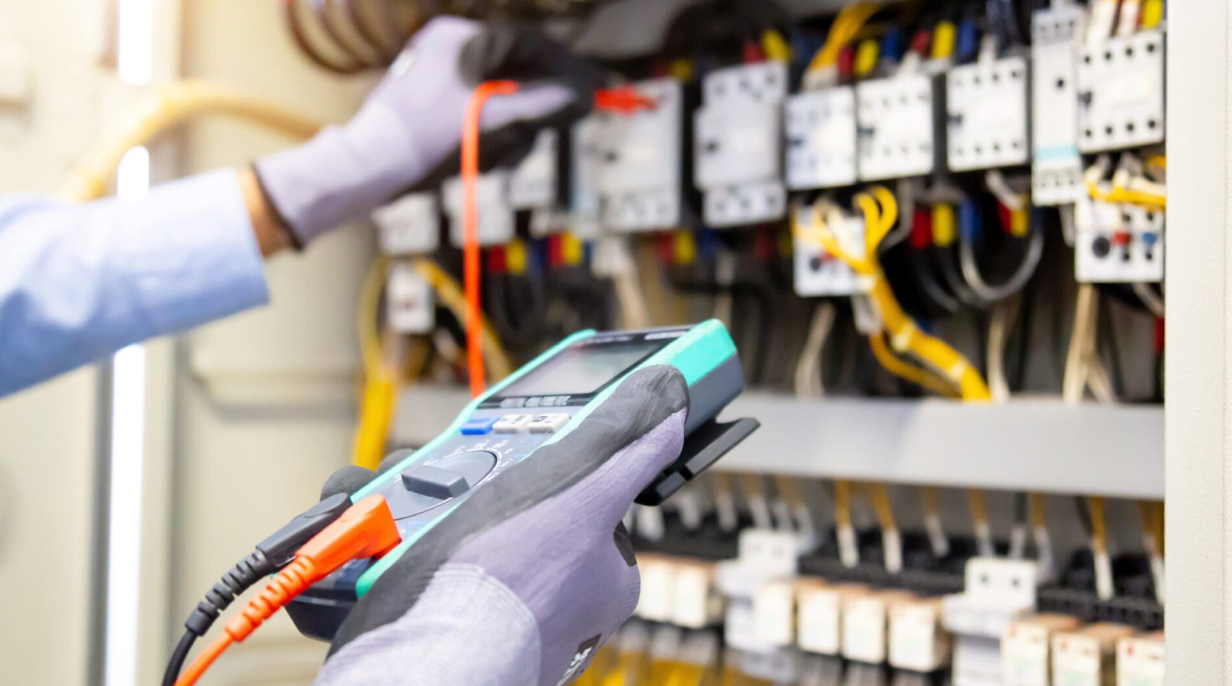
Electrical inspections are detailed checks of a property’s fixed electrical installation. This includes wiring, sockets, switches, fuse boards, and other components that distribute electricity throughout a building. The aim is to identify wear and tear, damage, poor workmanship, or outdated systems that could pose a risk.
In London, where many properties range from historic buildings to modern developments, electrical systems can vary widely in age and condition. An inspection helps determine whether the system is safe for continued use and whether any remedial work is needed to reduce the risk of faults or failures.
Why Electrical Safety Matters in London Properties
London’s dense housing, mixed-use buildings, and high occupancy levels make electrical safety especially important. A single electrical fault can affect multiple flats or neighbouring properties, increasing the potential impact of fires or power outages. Older buildings may still rely on wiring systems that were never designed to handle modern electrical loads, while newer properties can suffer from poor installation or lack of maintenance.
Regular inspections help ensure that electrical systems keep pace with how buildings are actually used. This is particularly important in rented accommodation, where tenants may not be aware of hidden issues and rely on property owners to maintain a safe living environment.
Preventing Electrical Fires and Accidents
One of the most significant reasons for regular electrical inspections is fire prevention. Electrical faults are a common cause of domestic fires in the UK, often resulting from damaged cables, overloaded circuits, or faulty connections. These problems can develop slowly and remain unnoticed until they cause serious harm.
Inspections identify early warning signs such as overheating components, loose connections, or inadequate protection devices. Addressing these issues promptly reduces the likelihood of fires, electric shocks, and equipment failure. This proactive approach is far safer and more cost-effective than dealing with emergencies after an incident has occurred.
Supporting Legal and Regulatory Compliance
Electrical safety is not just a matter of good practice; it is also a legal responsibility. UK regulations require that electrical installations in rented properties are safe and maintained in a condition that does not pose a risk to occupants. Landlords in London must demonstrate that they are meeting these obligations, particularly in the private rented sector.
Government guidance on electrical safety standards explains what is expected of property owners and managers, including inspection intervals and record keeping. Clear information on these requirements can be found through official sources such as the Health and Safety Executive’s guidance on electrical safety in rented properties which outlines duties, enforcement, and penalties for non-compliance.
Protecting Tenants and Occupants
Regular electrical inspections directly contribute to the wellbeing of the people who live and work in a building. Safe electrical systems reduce the risk of injury, disruption, and stress caused by power failures or dangerous faults. For tenants, this provides reassurance that their home meets basic safety standards. For employers and building managers, it helps create a safer environment for staff and visitors.
In London’s diverse property landscape, buildings are often occupied by people with varying levels of vulnerability, including families with children, older residents, and individuals with health conditions. Electrical safety measures help protect everyone, regardless of their ability to identify or respond to potential hazards.
The Role of Electrical Condition Reports
Image Source: Yandex.com
An electrical inspection typically results in a written report that outlines the condition of the installation and highlights any issues that need attention. In many cases, this is referred to as an Electrical Installation Condition Report. When arranged as a formal service, such as an EICR Certificate London UK, the inspection provides clear evidence of a property’s electrical safety status and whether it meets current standards.
These reports use standard classifications to indicate the severity of any findings, helping property owners understand what action is required and how urgently it should be addressed. This structured approach supports informed decision-making and prioritisation of safety-related work.
Managing Risk in Commercial and Mixed-Use Buildings
Electrical inspections are just as important in commercial and mixed-use properties as they are in residential settings. Offices, shops, and shared buildings often have higher electrical demands and more complex systems. Faults in these environments can disrupt business operations, damage equipment, and pose risks to employees and the public.
In London, where commercial spaces are frequently located alongside residential units, maintaining safe electrical systems helps protect multiple users and reduces the chance of incidents spreading beyond a single area. Regular inspections form part of a broader risk management strategy that supports continuity and resilience.
Long-Term Benefits of Regular Inspections
While inspections are often associated with compliance, they also offer long-term practical benefits. Identifying minor issues early can prevent costly repairs later and extend the lifespan of electrical installations. Well-maintained systems are more reliable, energy-efficient, and easier to adapt when buildings are renovated or repurposed.
For property owners, this contributes to better asset management and helps maintain the value of buildings in a competitive London property market. For occupants, it means fewer disruptions and a safer, more comfortable environment.
Encouraging a Culture of Safety
Regular electrical inspections help promote a culture of safety and responsibility. When property owners, managers, and occupants understand the importance of electrical maintenance, safety becomes a shared priority rather than a reactive concern. Clear records, transparent communication, and timely action all play a role in building trust and accountability.
In a city as dynamic as London, where properties are constantly changing hands and uses, embedding safety into routine management practices is essential.
Conclusion
Regular electrical inspections are a fundamental part of keeping properties safe, compliant, and fit for purpose. They help prevent fires and accidents, protect occupants, and support responsible property management across London. By identifying risks early and responding to them effectively, property owners and managers can reduce hazards and contribute to safer urban living. For further reading on maintaining safe and compliant properties with a focus on how ongoing maintenance improves efficiency and reduces the likelihood of emergency repairs, you may find this article on Puremagazine.co.uk useful: How Proper Maintenance Improves Efficiency & Reduces Emergency Repair Calls.
For more, visit Pure Magazine