


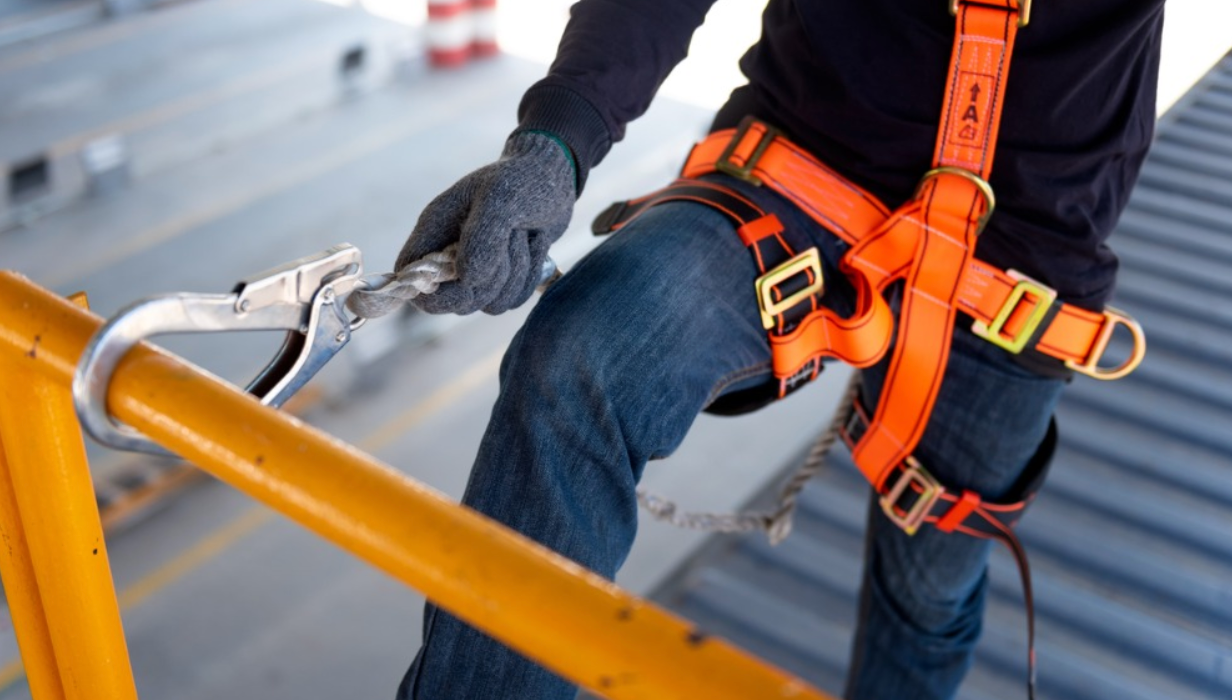
Working at heights is inherently risky, and one small misstep can lead to severe injuries or fatalities. Whether on construction sites, industrial platforms, or maintenance projects, protecting workers from falls is a critical priority. Among the most effective solutions for fall protection is the full-body safety harness, a piece of equipment designed to secure workers safely and distribute forces evenly in the event of a fall. As a core component of occupational safety, a fall safety harness is essential for anyone operating at elevated positions.
This article explores the importance, features, types, and best practices for using full-body safety harnesses, emphasizing their role as reliable fall protection gear in workplaces across industries.
The Importance of Fall Protection
Falls are one of the leading causes of workplace injuries and fatalities worldwide. In industries such as construction, manufacturing, and energy, workers often operate on ladders, scaffolding, or elevated platforms, where the risk of falling is significant.
A fall safety harness serves as the last line of defense, preventing serious injuries by arresting falls and distributing impact forces across the body. Beyond compliance with occupational safety regulations, using harnesses protects employees, reduces downtime, and demonstrates a commitment to workplace safety.
Understanding Full-Body Safety Harnesses
A full-body safety harness is designed to secure a worker’s torso, legs, and shoulders, distributing fall forces evenly across the body. Unlike simpler harnesses or seat belts, a full-body harness ensures that in the event of a fall, no single part of the body bears excessive stress. This design minimizes injuries and allows workers to remain upright and controlled until they are safely rescued.
Key features of a fall safety harness include:
- Dorsal D-Ring: Located on the back, it is the primary attachment point for fall arrest systems.
- Shoulder Straps: Support the upper body and connect to other harness components.
- Leg Straps: Secure the lower body and prevent slipping during a fall.
- Chest Strap: Ensures stability and keeps the harness positioned correctly.
- Adjustable Buckles: Allow for a snug, comfortable fit tailored to each worker.
- Padding: Reduces discomfort during long hours of wear.
Properly fitted harnesses are critical; ill-fitting gear can compromise safety and reduce effectiveness in preventing fall-related injuries.
Benefits of Using a Full-Body Safety Harness
Full-body safety harnesses provide numerous advantages in workplace safety:
1. Comprehensive Fall Protection
A fall safety harness provides complete protection by securing multiple points of the body. It reduces the risk of serious injury, including spinal damage, fractures, and internal injuries, in the event of a fall.
2. Comfort and Mobility
Modern harnesses are designed with ergonomics in mind. Lightweight materials, padding, and adjustable straps allow workers to move freely while maintaining safety. Comfortable harnesses encourage consistent use, enhancing overall compliance.
3. Compliance with Safety Regulations
In the UK and worldwide, workplace safety regulations, including the Health and Safety at Work Act and Work at Height Regulations, require employers to provide adequate fall protection. Full-body harnesses meet international standards, ensuring compliance and protecting employers from legal liability.
4. Versatility Across Industries
Full-body safety harnesses are suitable for a variety of work environments, including:
- Construction sites
- Roofing and maintenance work
- Industrial manufacturing and assembly lines
- Warehousing and logistics
- Telecommunications and energy sectors
This versatility makes them an essential part of any workplace fall protection strategy.
5. Integration with Fall Arrest Systems
Full-body harnesses are designed to work with other fall protection equipment, such as lanyards, lifelines, and anchor points. Proper integration ensures a comprehensive system that can safely arrest a fall and minimize injury risk.
Types of Full-Body Safety Harnesses
Different industries and tasks require specific harness designs. Here are the most common types:
1. Standard Fall Arrest Harnesses
Designed for general use in construction and industrial settings, these harnesses have a dorsal D-ring for fall arrest and often include side D-rings for positioning work.
2. Suspension Harnesses
Suspension harnesses provide extra comfort for tasks that require prolonged hanging, such as window cleaning or tower climbing. They include padded seating areas to reduce fatigue during suspension.
3. Rescue Harnesses
Rescue harnesses are designed for emergency retrieval scenarios. They often feature multiple attachment points for lowering or hoisting individuals safely.
4. Positioning Harnesses
These harnesses allow workers to maintain hands-free positioning on elevated surfaces, commonly used in electrical work or construction where stability is required for performing tasks.
Choosing the Right Fall Safety Harness
Selecting the correct harness is essential for ensuring worker safety. Consider the following factors:
- Certification and Compliance: Look for harnesses that meet EN 361 or ANSI standards for fall protection.
- Adjustability: Ensure straps and buckles can accommodate various body sizes for a secure fit.
- Comfort Features: Padding, breathable materials, and ergonomic designs enhance wearability.
- Weight Rating: Verify that the harness supports the user’s weight, including tools and equipment.
- Compatibility: Ensure the harness works with other fall protection systems, such as lanyards, lifelines, and anchorage devices.
- Industry-Specific Features: Certain tasks may require specialized harnesses with additional attachment points, reflective materials, or suspension support.
Best Practices for Using Full-Body Safety Harnesses
Even the best harness is ineffective if not used properly. Employers and workers should follow these best practices:
- Proper Training: Workers must be trained to correctly wear, adjust, and inspect harnesses before use.
- Regular Inspections: Check for wear, fraying, damaged buckles, and compromised stitching. Replace worn harnesses immediately.
- Correct Fitting: Ensure harnesses are snug but comfortable, with all straps properly secured.
- Anchor Point Selection: Use certified anchor points rated for fall arrest. Incorrect anchors can render the harness ineffective.
- Integration with Other PPE: Combine harnesses with helmets, gloves, and protective footwear to ensure full safety coverage.
- Post-Fall Procedures: Establish clear protocols for rescuing workers safely after a fall, as prolonged suspension can lead to injury.
Advantages of Investing in High-Quality Harnesses
Investing in premium fall safety harnesses has long-term benefits:
- Reduced Workplace Injuries: High-quality materials and design features prevent failure during falls.
- Enhanced Worker Confidence: Employees feel secure, boosting productivity and morale.
- Cost Efficiency: Durable harnesses reduce replacement frequency and lower overall safety program costs.
- Legal Protection: Compliant equipment safeguards companies from fines and liability.
Conclusion
Fall hazards remain one of the most significant risks in construction, industrial, and maintenance work. A fall safety harness is an indispensable tool in protecting employees from injuries and fatalities. Full-body safety harnesses are designed to distribute impact forces, provide comfort, and integrate seamlessly with other fall protection systems.
Employers who invest in certified, high-quality harnesses not only comply with safety regulations but also demonstrate a commitment to workforce well-being. Proper selection, fitting, and maintenance of harnesses ensure reliable performance in high-risk environments, allowing workers to focus on their tasks with confidence. In today’s demanding workplaces, full-body safety harnesses are more than just equipment—they are a lifeline. Prioritizing proper fall protection gear is essential for any organization committed to safety, compliance, and operational excellence. By incorporating these harnesses into comprehensive fall protection programs, employers protect their most valuable asset: their workforce.
For more, visit Pure Magazine