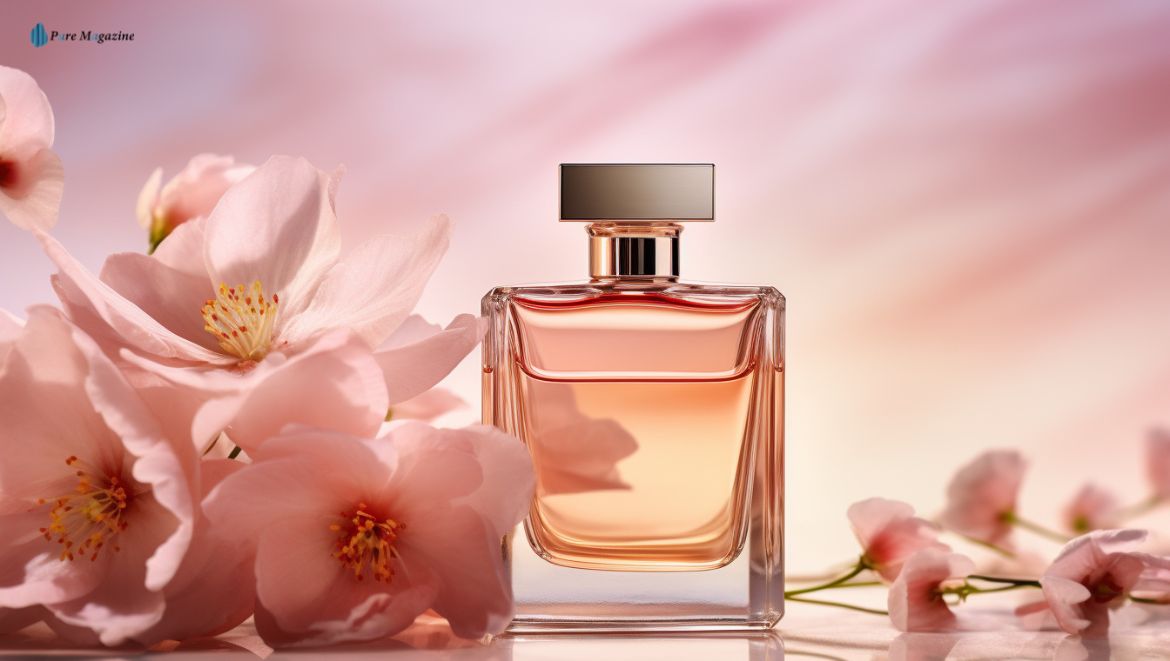
Kids love copying what adults do. They want to dress up, use fun accessories, and yes—smell nice too. But here’s the thing: not all fragrances are created equal, especially when it comes to children’s sensitive skin and developing bodies. Finding the right perfume for kids means looking beyond pretty packaging and sweet scents. It requires understanding what goes into the bottle and how those ingredients interact with young, delicate systems.
Parents today face shelves packed with options, each claiming to be perfect for little ones. The challenge isn’t finding a fragrance—it’s finding one that’s actually safe. Children deserve products made with their well-being in mind, not just scaled-down versions of adult perfumes loaded with harsh chemicals. This guide breaks down everything you need to know about selecting fragrances that smell great without compromising health.
Why Regular Perfumes Don’t Work for Children
Adult fragrances contain concentrated chemical compounds designed for mature skin. These formulations often include synthetic musks, phthalates, and alcohol levels that can irritate or harm children. Young skin absorbs substances differently from adult skin, making it more vulnerable to adverse reactions.
The respiratory systems of children are still developing. Strong synthetic fragrances can trigger headaches, respiratory irritation, or allergic reactions more easily in kids than in adults. When you’re shopping for perfumes for kids, understanding these differences helps explain why specialized formulations matter so much.
Additionally, children have different pH levels in their skin compared to adults. This means fragrances can smell different on them and potentially cause unexpected reactions. What works beautifully on a parent might become overwhelming or irritating on a child.
Key Ingredients to Avoid in Children’s Fragrances
Knowing what to dodge is just as important as knowing what to choose. Here are the major red flags:
- Phthalates: These chemicals help scents last longer but are linked to hormonal disruption. They’re often hidden under the term “fragrance” on ingredient lists, making them hard to spot.
- Parabens: Used as preservatives, parabens can mimic estrogen in the body and have been found in breast tissue samples. Children’s developing endocrine systems don’t need this exposure.
- Synthetic musks: These petroleum-based compounds accumulate in body tissue over time and may affect the nervous system. Natural alternatives exist that work just as well.
- High alcohol content: Alcohol dries out skin and can cause stinging or burning sensations. It’s particularly problematic for kids with eczema or other skin sensitivities.
- Artificial dyes: While they make products look appealing, synthetic colorants serve no functional purpose and can cause allergic reactions in sensitive individuals.
Reading labels carefully becomes essential when shopping for the best perfume for kids. If a product lists “fragrance” or “parfum” without breaking down specific ingredients, that’s often a sign of hidden chemicals worth avoiding.
What Makes a Non-Toxic Perfume for Kids Actually Safe
Safe fragrances for children share several important characteristics. They use natural or naturally-derived ingredients as their base. Essential oils, plant extracts, and organic compounds create pleasant scents without synthetic chemicals.
Water-based formulations work better for young skin than alcohol-based ones. They’re gentler, less drying, and reduce the risk of irritation. Many non-toxic perfume for kids options now use aloe vera or chamomile water as their base instead of ethanol.
Hypoallergenic certification matters. Products tested specifically for sensitive skin and approved by dermatologists offer extra peace of mind. Look for seals from recognized testing organizations rather than vague marketing claims.
Transparent ingredient lists show a company has nothing to hide. Brands committed to safety list every component clearly, often with explanations about sourcing and purpose. This transparency builds trust and helps parents make informed decisions.
Age-Appropriate Fragrance Concentrations
Not all perfumes for kids should have the same strength. Younger children need lighter concentrations than older ones. Here’s a practical breakdown:
For Toddlers and Preschoolers (Ages 2-5)
The lightest options work best for this age group. Body mists and linen sprays with minimal essential oil content provide subtle freshness without overwhelming their senses. These products typically contain less than 1% fragrance concentration.
For Elementary School Children (Ages 6-11)
Slightly stronger formulations become appropriate as children grow. Eau de toilette specifically formulated for kids offers a noticeable scent without the intensity of adult products. Look for concentrations between 2-5% for this age range.
For Preteens and Early Teens (Ages 12+)
As children approach adolescence, their skin matures and can handle more concentrated formulations. However, the best perfume for kids in this age group still avoids harsh synthetic chemicals. Natural eau de parfum with 5-8% concentration provides a lasting scent safely.
Testing for Sensitivities Before Regular Use
Even with safe, natural products, patch testing prevents problems. Apply a small amount to the inside of the child’s wrist or elbow crease. Wait 24 hours and check for redness, itching, or irritation. This simple step catches potential allergies before they become bigger issues.
Watch for less obvious reactions too. Some children experience headaches, dizziness, or nausea from fragrances even without visible skin reactions. If a child complains of feeling unwell after applying a new product, discontinue use immediately.
Natural Ingredients That Work Well in Children’s Fragrances
Several plant-based ingredients create lovely scents while remaining gentle on young skin:
- Vanilla extract: Warm, comforting, and naturally sweet without added sugar or chemicals. It’s one of the safest fragrance notes for children.
- Chamomile: Known for its calming properties, chamomile adds a soft, clean scent while also soothing sensitive skin.
- Lavender: Gentle and relaxing, true lavender essential oil (not synthetic lavender fragrance) works well in small amounts for older children.
- Citrus oils: Orange, mandarin, and lemon provide fresh, uplifting scents. However, use sun-safe versions since citrus oils can cause photosensitivity.
- Rose water: Delicate and classic, rose water offers subtle fragrance with hydrating benefits for dry skin.
When evaluating a non-toxic perfume for kids, seeing these ingredients near the top of the list is a positive sign. They indicate a commitment to natural formulation rather than chemical shortcuts.
Application Tips for Maximum Safety
How fragrance is applied matters as much as what’s in it. Spray or dab perfume for kids onto clothing rather than directly on skin when possible. This reduces absorption while still providing a pleasant scent.
For skin application, focus on pulse points away from the face—wrists, behind knees, or the back of the neck work well. Avoid spraying near the eyes, nose, or mouth where accidental inhalation or contact can occur.
Use less than you think necessary. Children’s body temperatures run warmer than adults, which amplifies scent naturally. A little goes a long way, and over-application increases the risk of headaches or sensory overload.
Storage and Shelf Life Considerations
Natural fragrances don’t last forever. Without synthetic preservatives, they typically expire faster than conventional products. Check expiration dates and store bottles in cool, dark places away from sunlight and heat.
Teach children that perfume isn’t a toy. Store bottles out of reach to prevent accidental ingestion or excessive use. Even natural products can cause problems if consumed in large quantities.
Making the Final Choice
Selecting safe fragrances requires balancing several factors: ingredient safety, age appropriateness, scent preferences, and practical considerations like price and availability. Don’t rush the decision. Take time to research brands, read reviews from other parents, and test products properly.
Remember that children’s needs change as they grow. What works perfectly for a six-year-old might feel too juvenile for a ten-year-old. Stay flexible and willing to adjust choices as your child develops their own preferences and their body matures.
The right perfume for kids enhances confidence and self-expression without compromising health. By prioritizing natural ingredients, appropriate concentrations, and careful testing, parents can find options that smell wonderful while keeping little ones safe. Your child deserves to feel special and smell great—just make sure the products you choose support their health as much as their happiness.