A worn-out driveway can quickly ruin the appearance of your home. Cracks, fading, puddles, and weeds not only look unattractive but also reduce durability over time. In the UK, harsh weather conditions like heavy rain and freeze-thaw cycles make the problem even worse.
If ignored, minor damage can turn into costly repairs or full replacement. Many homeowners struggle to choose between resurfacing, sealing, or installing modern options like resin-bound driveways.
The good news? You don’t always need a full replacement. With the right upgrade, whether it’s resurfacing, installing a clear resin bound driveway, or applying protective sealing, you can restore both function and beauty. Keep reading to discover the best solution for your driveway.
Upgrade Your Driveway: Resurface, Resin & Seal Based on UK’s Conditions
Upgrading your driveway is one of the smartest investments for improving curb appeal, durability, and property value in the UK. Whether you choose resurfacing, resin-bound systems, or sealing, each method offers unique benefits depending on your driveway’s condition and your long-term goals.
Modern driveway solutions are designed to handle UK weather challenges while maintaining visual appeal. From cost-effective resurfacing to premium finishes like resin-bound gravel, there are options for every budget and style.
Choosing the right upgrade depends on surface condition, drainage needs, and maintenance expectations. Below are the most effective methods to transform your driveway.
Resin-Bound Driveways: Modern, Durable & Permeable Solution
A clear resin bound driveway is one of the most popular choices across the UK due to its durability and sleek appearance. It combines natural stone aggregates with UV-stable resin, creating a smooth and visually appealing surface.
This system is fully permeable, meaning water drains through the surface rather than pooling. This makes it compliant with Sustainable Drainage Systems (SuDS), which is especially important in areas prone to heavy rainfall.
Another major advantage is its low maintenance. Unlike traditional gravel, resin-bound surfaces do not shift or scatter, making them ideal for driveways with frequent use. The finish remains smooth and resistant to weeds.
Key benefits include:
- Smooth, slip-resistant finish
- Excellent drainage (no standing water)
- Long lifespan with minimal upkeep
- Wide range of colours and styles
Resin-bound installations typically take 1–2 days, making it a quick yet high-impact upgrade.
Tarmac Resurfacing: Cost-Effective Driveway Restoration
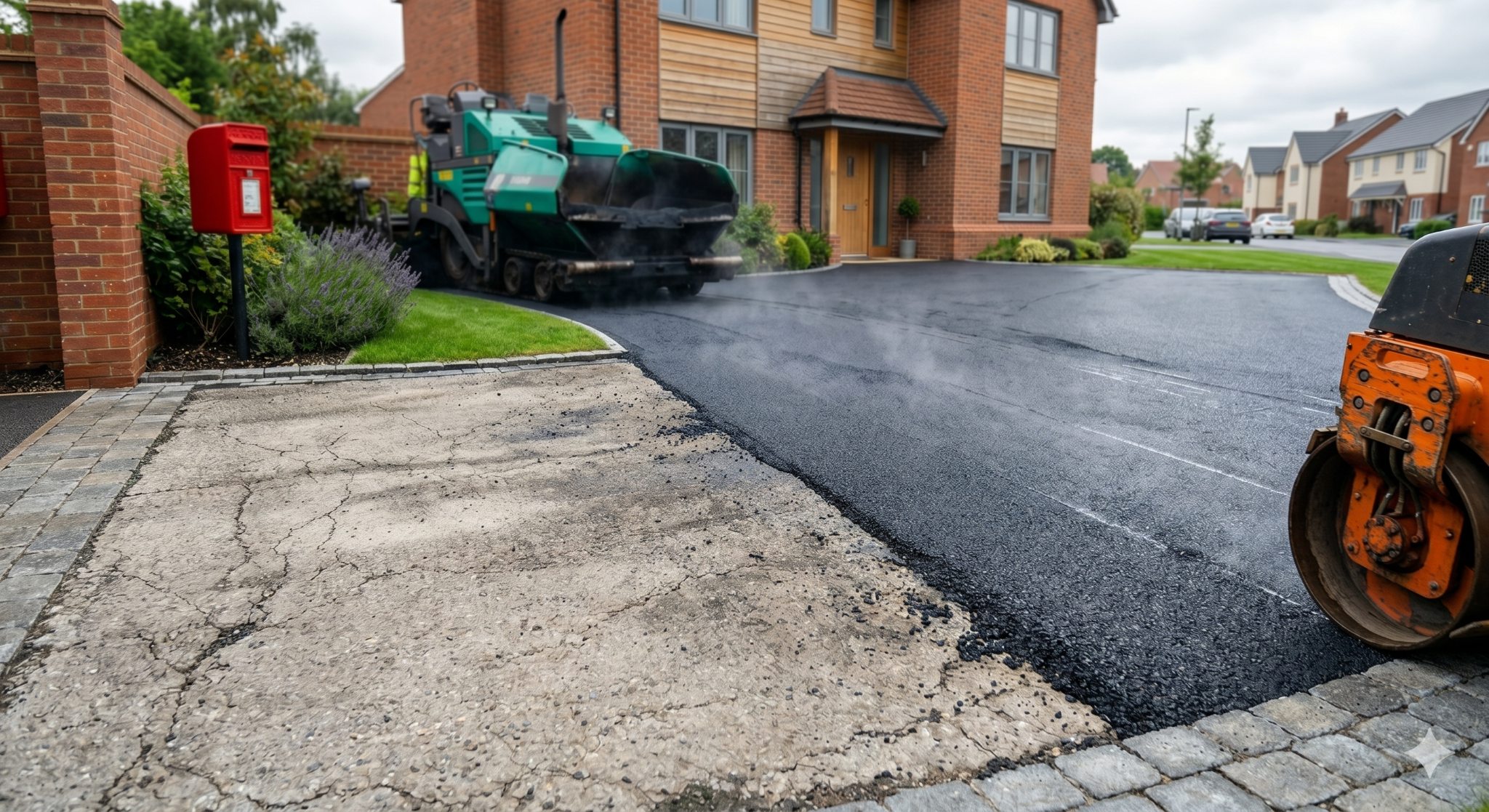
If your driveway base is still structurally sound, driveway resurfacing and replacement may not be necessary. Instead, resurfacing with tarmac or asphalt can restore its appearance at a lower cost.
This process involves applying a new layer over the existing surface, covering cracks, potholes, and wear. It’s an efficient solution for homeowners looking to refresh their driveway without a full rebuild.
Tarmac is particularly suited for UK conditions. It withstands heavy traffic and fluctuating temperatures while maintaining durability over time. It also provides a clean, uniform look that complements most properties.
Benefits of tarmac resurfacing:
- Budget-friendly alternative to full replacement
- Quick installation (2–4 days)
- Strong and weather-resistant surface
- Smooth, functional finish
Proper preparation is essential. Cleaning and repairing cracks before resurfacing ensures a longer-lasting result.
Block Paving & Decorative Borders for Enhanced Appeal
Adding block paving or decorative borders is an excellent way to upgrade the visual appeal of your driveway. This approach works particularly well alongside resin or tarmac surfaces.
Borders help define edges and prevent surface spreading over time. They also improve structural stability, especially for larger driveways exposed to heavy use.
From a design perspective, block paving allows for creative patterns and colour contrasts. This can dramatically enhance the overall look of your property and create a premium finish.
Advantages of block paving features:
- Improved edge strength and durability
- Custom design options
- Increased property value
- Better long-term stability
Combining resurfacing with decorative edging creates a balanced mix of function and style.
Driveway Sealing: Protect & Extend Lifespan
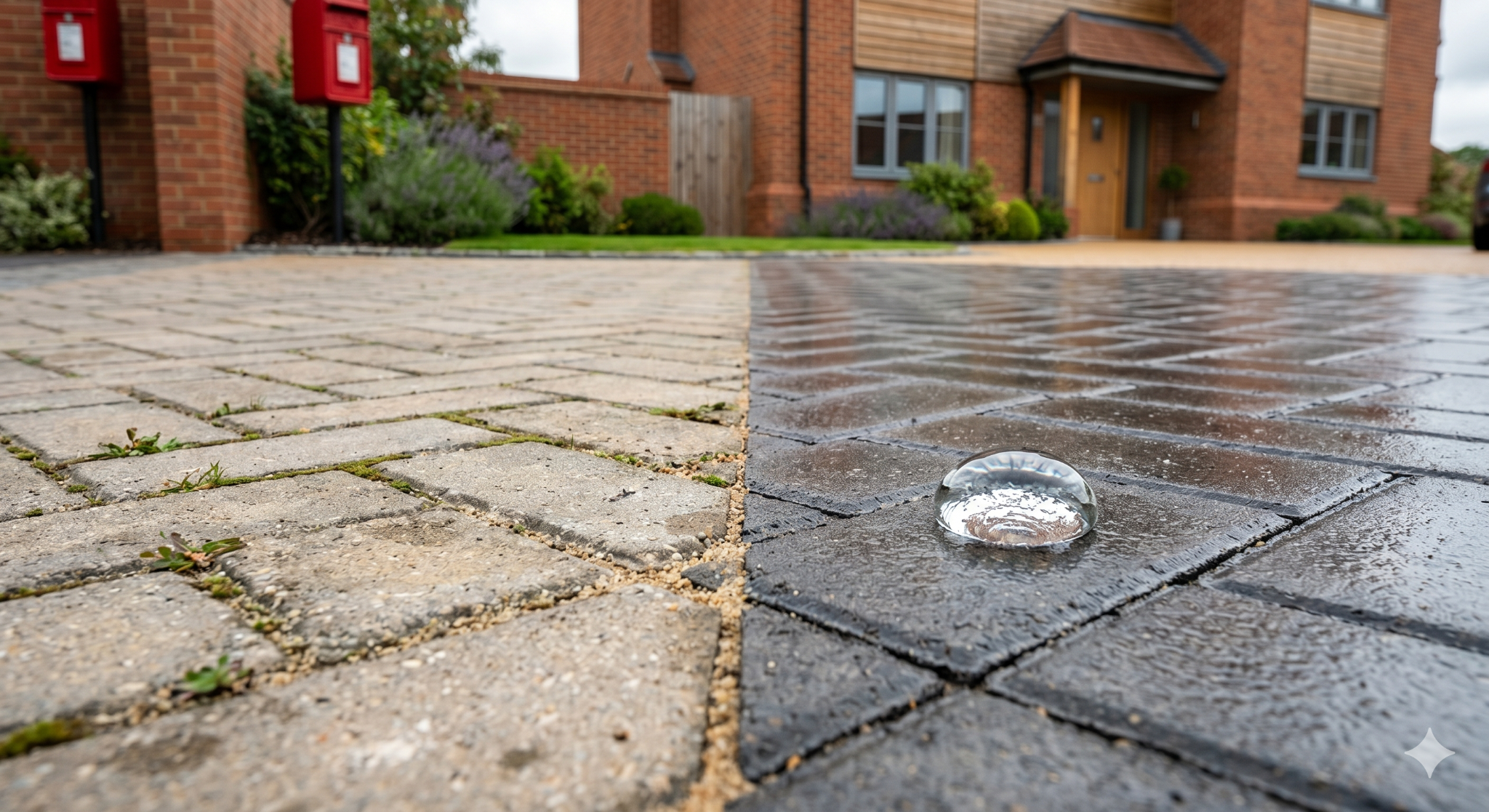
Sealing your driveway is a crucial step in maintaining its durability and appearance. It acts as a protective barrier against moisture, UV rays, oil stains, and weed growth, which are common issues in UK driveways.
Many homeowners ask when to seal their driveways. The best time is after installation or resurfacing, once the surface has fully cured. Regular resealing every few years helps maintain protection and extend lifespan.
Sealing is particularly important for block paving and imprinted concrete, which are more vulnerable to water damage and staining.
When to Seal Your Driveway for Maximum Protection?
Knowing when to seal your driveway can make a significant difference in performance and longevity. Timing depends on the material and environmental conditions.
For new surfaces, sealing should only be done after the material has cured completely. For existing driveways, resealing should be scheduled when signs of wear begin to appear.
Common signs your driveway needs sealing:
- Fading colour or dull appearance
- Water absorption instead of beading
- Visible stains or oil marks
- Increased weed or algae growth
Applying a high-quality sealant, such as UV-stable polyurethane or acrylic, ensures long-lasting protection.
Benefits of sealing include:
- Prevents cracks from moisture damage
- Enhances colour and finish
- Reduces maintenance needs
- Protects against oil and UV damage
Regular sealing is a small investment that prevents costly repairs in the future.
FAQs
Q. What is the best driveway option for UK weather?
Resin-bound driveways are often considered the best option due to their permeability and durability. They allow water to drain naturally, reducing the risk of puddles and damage from heavy rain. Tarmac is also a strong option for durability, while sealing helps protect surfaces from weather-related wear.
Q. How long does driveway resurfacing last?
Driveway resurfacing can last between 10 to 15 years, depending on the material used and maintenance. Tarmac resurfacing is durable but benefits from regular sealing. Proper preparation and professional installation significantly increase its lifespan and performance.
Q. Is resin-bound better than traditional paving?
Yes, resin-bound surfaces offer better drainage, lower maintenance, and a smoother finish compared to traditional paving. They are also more resistant to weeds and cracks. However, the best choice depends on your budget and design preferences.
Q. How often should I reseal my driveway?
Most driveways should be resealed every 2–5 years, depending on usage and weather exposure. High-traffic areas may require more frequent sealing. Regular maintenance ensures long-term protection and keeps the surface looking new.
Q. What does driveway resurfacing cost in the UK?
Costs typically range from £40 to £100 per square meter, depending on materials and project complexity. Resin-bound driveways are usually more expensive than tarmac but offer premium aesthetics and durability.
Transform Your Driveway with the Right Upgrade
Upgrading your driveway with resurfacing, resin-bound systems, or sealing is a smart way to enhance both appearance and durability. Each option offers unique benefits, whether you want a cost-effective refresh or a modern, long-lasting finish.
By choosing the right solution and maintaining it properly, you can protect your investment and improve your home’s value. Take the next step today and give your driveway the upgrade it deserves.
For more, visit Pure Magazine