Creating an outdoor space that feels both functional and beautiful requires more than just a few plants, stones, and a lawn. It involves a deep understanding of design principles, construction techniques, and environmental harmony. This is where the concept of landscape construction becomes truly significant. The process blends artistic vision with technical expertise, turning ordinary yards into exceptional environments that enrich the lives of those who experience them.
The Meaning Behind Landscape Construction
At its core, landscape construction refers to the process of physically building and implementing the design elements that shape an outdoor environment. While landscape design focuses on the conceptual and creative aspects—such as layout, color schemes, and plant selection—construction is where ideas take tangible form. It is the execution stage, where professionals transform a design plan into reality through grading, paving, planting, irrigation, and structural installations.
A well-constructed landscape is the result of meticulous planning, precise execution, and collaboration among designers, architects, engineers, and skilled craftsmen. It’s not merely about placing materials but about creating harmony between human needs and natural surroundings.
The Foundation: Planning and Preparation
Before any shovel hits the ground, the planning stage is crucial. The success of any outdoor project depends on a comprehensive understanding of the land itself—its soil composition, drainage patterns, slope, and exposure to sunlight. Professionals often begin by assessing the site through surveys and soil tests to determine what modifications are necessary to support the proposed design.
Proper planning ensures that the finished landscape will be both beautiful and sustainable. Drainage systems, for example, are essential to prevent erosion and waterlogging. Without this foresight, even the most visually stunning gardens can deteriorate quickly. Similarly, the placement of hardscape features—such as patios, retaining walls, and pathways—must be carefully coordinated to support accessibility and functionality.
Hardscaping: The Structural Backbone
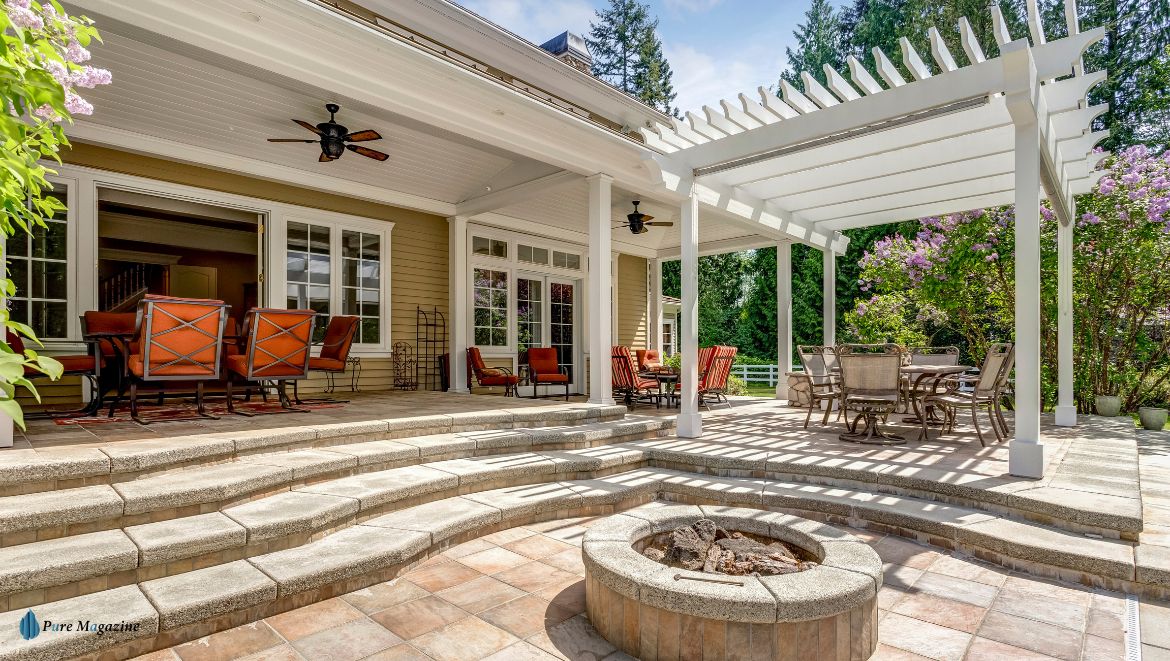
In landscape construction, hardscaping forms the backbone of the outdoor space. It involves all non-living elements that give structure and stability to the environment. Paved walkways, stone walls, decks, pergolas, and driveways are all integral components that define how a space is used and experienced.
Hardscape materials must be selected not only for their aesthetic qualities but also for their durability. Natural stone, concrete, timber, and metal each bring distinct textures and tones that can complement a variety of design styles—from rustic and natural to modern and minimalist. Proper installation techniques, including compacted bases and secure foundations, ensure that these structures remain intact for years, even under varying weather conditions.
Moreover, hardscaping provides an opportunity to merge creativity with practicality. A well-designed pathway, for example, can guide movement while adding rhythm and visual flow to the landscape. Retaining walls can serve dual purposes—preventing soil erosion while acting as stylish seating or planters.
Softscaping: Breathing Life into Design
If hardscaping provides structure, softscaping brings life. This part of the process involves selecting and installing plants, trees, flowers, and grass that align with the site’s conditions and the overall design vision. Choosing the right combination of vegetation can dramatically influence the mood and function of an outdoor space.
Seasonal variations, color palettes, and maintenance requirements all come into play during the softscaping phase. For example, evergreen trees can provide year-round privacy and wind protection, while flowering shrubs add seasonal bursts of color. Ground covers may help reduce soil erosion and require less maintenance than traditional lawns.
The placement of plant materials is both a science and an art. Landscape professionals must consider factors like spacing, root depth, growth patterns, and sunlight exposure to ensure long-term health. When executed properly, softscaping creates a balanced and inviting environment that enhances biodiversity and supports local ecosystems.
Water Features and Irrigation Systems
Water elements such as fountains, ponds, waterfalls, or streams introduce tranquility and movement to outdoor environments. They act as focal points that engage the senses through sound and reflection. However, installing these features demands precision engineering and a deep understanding of hydraulics, filtration, and safety.
Equally vital are irrigation systems. Efficient irrigation is essential for maintaining healthy plant life without wasting water. Modern systems incorporate smart technology, such as soil moisture sensors and automated controllers, that adjust watering schedules based on weather conditions. This not only conserves resources but also ensures that every plant receives the right amount of hydration.
A well-planned irrigation system is an integral part of landscape construction because it safeguards the long-term success of the entire project. Without proper watering infrastructure, even the most thoughtfully designed landscapes can struggle to thrive.
Lighting: Extending the Beauty Beyond Daylight
Outdoor lighting transforms a space once the sun sets, allowing homeowners and visitors to enjoy it at all hours. Proper lighting design highlights key features, improves safety, and creates ambiance.
Pathway lights ensure safe navigation, uplights draw attention to architectural features or trees, and subtle ground lighting adds a sense of warmth and intimacy. Energy-efficient LED fixtures and solar-powered systems have made landscape lighting both environmentally friendly and cost-effective.
Beyond aesthetics, lighting also contributes to security by deterring unwanted intruders. Well-lit entrances, driveways, and walkways not only enhance visibility but also instill confidence and comfort.
Sustainability in Modern Landscape Construction
Sustainability is at the heart of modern landscape construction practices. As environmental concerns grow, professionals increasingly prioritize eco-friendly methods that reduce waste and promote natural balance.
Using locally sourced materials minimizes transportation emissions, while native plants require less water and maintenance compared to exotic species. Permeable paving materials allow rainwater to seep back into the ground, replenishing groundwater and preventing runoff. Composting and organic fertilizers help maintain soil health without relying on chemical additives.
The integration of renewable energy—such as solar-powered lighting and water pumps—further enhances the environmental performance of outdoor spaces. Sustainable landscapes not only benefit the planet but also provide long-term cost savings for property owners through reduced maintenance and utility expenses.
The Role of Technology in Outdoor Design and Construction
Technological advancements have significantly transformed how outdoor projects are planned and executed. 3D modeling and visualization software allow clients to preview their landscapes before construction begins, ensuring clarity and alignment between design intent and final results.
Drones are increasingly used for site analysis, offering precise topographic data and aerial imagery that aid in accurate planning. Automated equipment and GPS-guided machinery improve efficiency and precision during the construction phase.
Smart technology extends beyond installation as well—automated irrigation systems, lighting controls, and even robotic lawn care systems contribute to easier maintenance and greater energy efficiency. These innovations have made landscape development more precise, adaptable, and responsive to environmental changes.
Challenges and Solutions in Landscape Construction
Like any construction process, building outdoor environments presents challenges. Weather conditions can delay projects, soil inconsistencies may require unexpected adjustments, and design changes can affect timelines.
Successful project management involves proactive communication and adaptability. Skilled professionals anticipate potential issues early in the process and develop solutions that maintain both quality and schedule. For example, temporary drainage systems can protect the site during heavy rainfall, and modular construction techniques can help expedite installations without compromising durability.
Budget control is another common concern. Transparent cost estimation, efficient material use, and clear documentation all contribute to minimizing financial surprises. Ultimately, every challenge presents an opportunity to demonstrate craftsmanship, creativity, and problem-solving skills.
The Lasting Impact of Quality Craftsmanship
When done correctly, landscape construction enhances more than just visual appeal—it adds value, functionality, and emotional well-being. Outdoor environments influence how people interact with their surroundings, providing places for relaxation, social connection, and inspiration.
A thoughtfully built landscape increases property value, extends living spaces beyond walls, and supports environmental resilience. From private residences to public parks and corporate campuses, the principles remain the same: durability, balance, and harmony between nature and human design.
Landscape professionals play a pivotal role in shaping spaces that leave a lasting impression. Every stone laid, every tree planted, and every structure built contributes to a vision that merges creativity with craftsmanship.
Conclusion
In essence, landscape construction in Orlando is more than a building process; it’s an expression of design, functionality, and respect for nature. It bridges the gap between imagination and reality, turning open land into purposeful, inspiring environments.
By blending technical precision with artistic sensitivity, today’s landscape professionals create spaces that endure and evolve gracefully over time. Whether through intricate hardscape, lush plantings, or innovative water and lighting systems, every element plays a role in crafting an experience that connects people with the natural world.
The success of any outdoor project depends not only on how it looks but on how it feel,s and that is the true art of landscape construction.
Visit: Pure Magazine