Key Takeaways
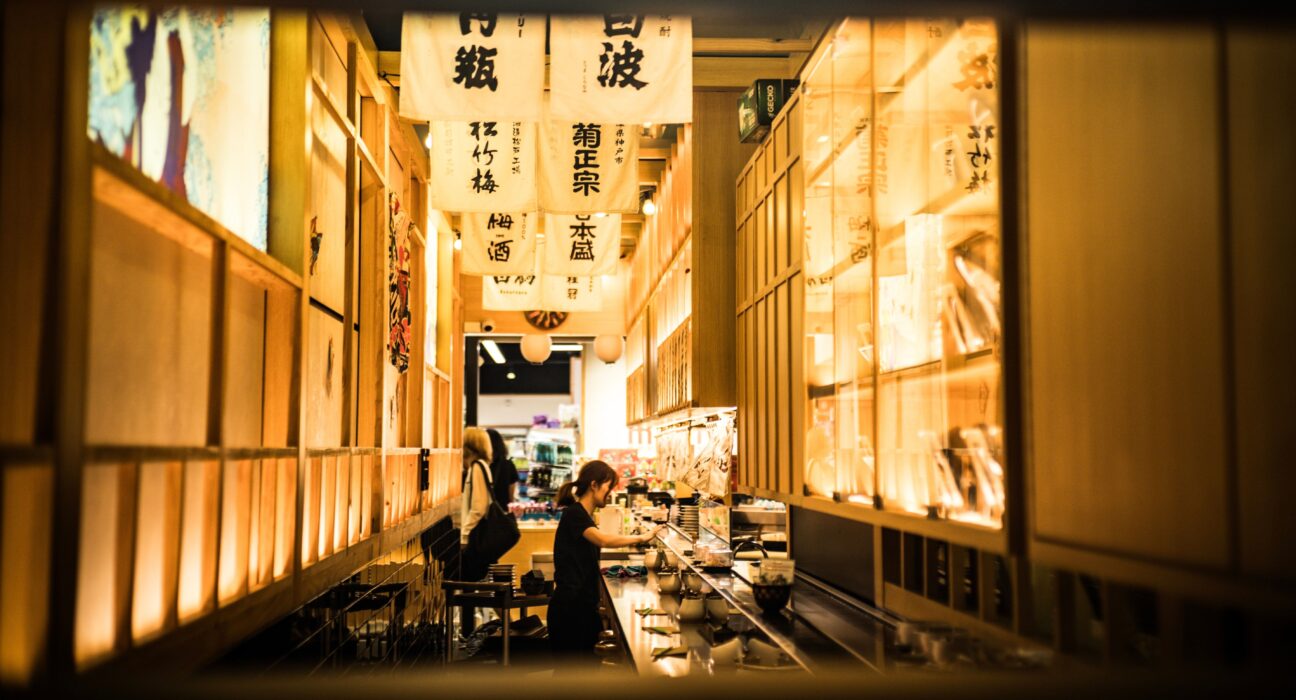
- South Kensington’s Japanese dining runs from quick sushi lunches to full robata and teppanyaki dinners, so decide what kind of meal you want before you book.
- Tuna is sold by cut. Akami is lean, chu-toro is medium fatty and o-toro is the rich belly.
- Bento boxes and sushi sets are the simplest way to keep lunch spending predictable.
- Check the bill for a discretionary service charge.
- Near the museums or the Royal Albert Hall? Opening hours matter as much as the menu.
- If you have a severe allergy, call ahead. Many sushi kitchens handle fish, shellfish, soy and sesame side by side, and some say plainly they can’t cater for it.
Why South Kensington Is a Good Bet for Japanese Food
Most visitors arrive in SW7 for the museums, not the food. That changes quickly once they realise how many good places to eat sit within a few minutes of the tube.
Japanese food has been a fixture of British high streets for decades now, thanks largely to chains like Wagamama, Itsu and YO! Sushi. They taught a whole generation to order gyoza and katsu curry without thinking twice. But a neighbourhood like South Kensington tends to attract something a bit different: restaurants that cook over charcoal, buy bluefin tuna by grade, pour proper sake and expect diners to linger.
And there’s real depth behind the cuisine. In 2013, UNESCO recognised washoku, the traditional Japanese dietary culture, as intangible cultural heritage, pointing to its respect for nature, seasonality and fresh ingredients. You don’t need to know any of that to enjoy a plate of nigiri, but it does explain why the better kitchens obsess over sourcing.
So rather than another ranked list, this guide covers what actually separates a great Japanese meal from an average one, how to read a modern menu, and how to plan around the museum district.
What Makes a Japanese Restaurant Worth Booking
Fish that’s graded, not just “fresh”
Every sushi restaurant says its fish is fresh. A more useful sign is whether the menu tells you which cut you’re getting.
Take tuna. Akami is the lean, deep red meat from the back. Chu-toro is marbled and comes from between the back and belly, while o-toro is the fattiest belly cut and usually the most expensive piece on the menu. When a restaurant lists all three separately, it’s telling you it buys and portions fish with some care. At Cacciari’s Asia on Bute Street, for example, bluefin akami, chu-toro and o-toro are priced individually as nigiri or sashimi, alongside Hokkaido scallop, yellowtail hamachi and unagi.
A menu that goes beyond sushi
Sushi gets the attention. The grill is often where you find out how good a kitchen really is.
Look for robata (charcoal grilling) and teppanyaki (cooking on a flat iron plate). Both reward good produce and leave very little room to hide mistakes. A strong izakaya-style menu will also have skewers, tataki, tempura and a few rice or noodle dishes, so a table can share without everyone ordering the same thing.
Drinks that make sense with the food
A short sake list chosen with intent beats a long one nobody can explain. Generally speaking, the grade tells you how much each rice grain was polished before brewing:
- Honjozo: a light, dry style with a small amount of added brewer’s alcohol.
- Junmai: pure rice sake with no added alcohol, often fuller and rounder.
- Ginjo and daiginjo: more heavily polished rice, which usually gives a more fragrant, delicate sake. Daiginjo is the most refined of the two.
- Genshu: undiluted, so it’s stronger.
If the staff can tell you which one suits sashimi and which one stands up to grilled wagyu, that’s a good sign.
Reading a Modern Japanese Menu Without Guesswork
Ever stared at a menu and ordered the California roll because it was the only thing you recognised? Plenty of people do. A few terms make the whole thing far less intimidating:
- Yakitori and kushiyaki: grilled skewers. Yakitori means chicken; kushiyaki covers everything else, from beef to scallop.
- Tataki: fish or meat seared briefly on the outside and left raw in the middle, then sliced.
- Gunkan: “battleship” sushi, a nori-wrapped rice base topped with something loose like salmon roe.
- Hosomaki: thin rolls with one filling. Maki on most London menus means larger rolls with several.
- Don: a rice bowl with toppings.
- A5 wagyu: the top grade on the Japanese beef grading scale, prized for heavy marbling.
Eating Around the Museums and the Royal Albert Hall
Here’s where most online guides fall short. They list restaurants but ignore the reason most people are in South Kensington in the first place.
The Natural History Museum, the Science Museum and the V&A all sit along Exhibition Road and are free to enter, apart from paid special exhibitions. That means families and tourists tend to arrive late morning, eat lunch nearby and then head home or on to the Royal Albert Hall, which is roughly a 15-minute walk north. Lunchtime and the pre-show window get busy.
A few practical tips help:
- Book for 12 or just after. You’ll beat the post-museum rush that builds from around 1pm.
- Choose somewhere near the station. Bute Street, for instance, is a short walk from South Kensington tube, so you’re not dragging tired children far.
- Check closing times if you’re eating after a show. Especially if the performance finishes late.
Is a long tasting menu the right call before a concert? Probably not. Small plates and a sushi selection get you fed and out the door in good time.
Budgeting: Set Menus, Bento and the Service Charge
Japanese food in this part of London can get expensive fast, especially once wagyu and o-toro enter the conversation. Set menus are the easiest way to keep things under control.
Bento boxes are a smart lunch option because one price covers several dishes. Cacciari’s Asia’s omakase bento boxes, for example, each come with miso soup, rock shrimp tempura, sashimi, a maki roll and rice alongside a main such as salmon teriyaki or beef fillet, with a vegetarian version built around miso aubergine and vegetable tempura.
Don’t forget the service charge. Many London restaurants add a discretionary one, and Cacciari’s Asia’s menus state a 13.5% charge. It’s discretionary, so you can ask for it to be removed if service fell short.
Groups, Celebrations and Private Dining
Japanese food suits groups well. Sharing plates, skewers and sushi platters mean nobody’s stuck with one dish all night.
For birthdays, team dinners or family celebrations, it’s worth asking whether a restaurant has private dining. Cacciari’s Asia offers it for everything from intimate dinners to corporate gatherings, which is useful if you’d rather not shout across a busy dining room. The restaurant is part of the wider Cacciari’s group, an independent London business better known for Emilia-Romagna style Italian trattoria cooking. Its Italian South Kensington restaurant is a short walk away on Old Brompton Road.
Dietary Needs and Allergies
Vegetarians usually do well at modern Japanese restaurants. Edamame, miso soup, vegetable tempura, avocado and asparagus rolls and grilled greens are common. Vegans should ask about dashi, the fish-based stock found in many sauces and soups.
Severe allergies are a different matter.
Sushi kitchens work with shellfish, fish, soy, sesame and wheat in close quarters, and cross-contact is hard to rule out. Some restaurants, Cacciari’s Asia among them, state on their menus that they can’t cater for severe allergies. In most cases, the safest approach is to phone ahead and talk it through before booking.
Frequently Asked Questions
What is the difference between sushi and sashimi?
Sashimi is sliced raw fish served without rice. Sushi always includes vinegared rice, whether as nigiri (fish on a hand-pressed rice base) or as maki rolls wrapped in nori.
What is an izakaya?
An izakaya is a casual Japanese bar and restaurant where drinks and small plates are ordered gradually through the evening. Think skewers, gyoza, tataki and fried dishes designed for sharing.
Is o-toro worth the price?
For most people it’s worth trying once. O-toro is the fattiest tuna belly cut and has a rich, buttery texture, while chu-toro offers a good balance of flavour and price.
Are there Japanese restaurants near the Natural History Museum?
Yes. Several Japanese restaurants sit within a short walk of South Kensington station, including Cacciari’s Asia on Bute Street, which is close to the Natural History Museum, the V&A and the Science Museum.
Do I need to book a Japanese restaurant in South Kensington?
Booking is wise at weekends, during school holidays and on Royal Albert Hall show nights. Weekday lunches are usually easier to walk into, depending on the restaurant.
What sake should I order with sushi?
A lighter, fragrant style such as a ginjo or daiginjo generally pairs well with raw fish. Fuller junmai sakes tend to suit grilled meats and richer dishes.
Is a service charge added at Japanese restaurants in London?
Many London restaurants add a discretionary service charge, often shown on the menu. It’s optional, so you can ask for it to be adjusted if you weren’t happy with the service.
For more, visit Pure Magazine