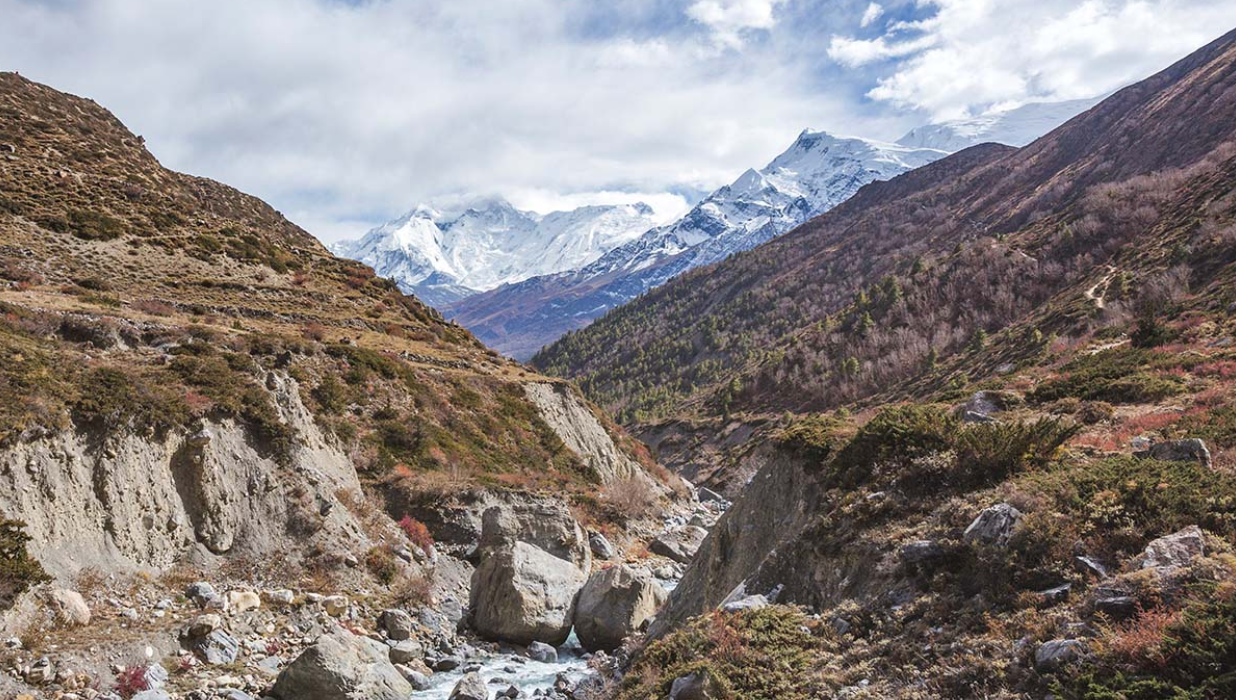
One of the major challenges of the Himalayan adventures in Nepal is the altitude. As one crosses 2,500 meters, they may notice early signs of Acute Mountain Sickness (AMS), like light fatigue, headache, and nausea. Likewise, above 3,000 meters, trekkers may feel increased fatigue, reduced appetite and sleeplessness. Beyond 5,000 meters, the environment becomes even more challenging. This is because the change in atmospheric pressure and the oxygen level become apparent. Moreover, there are higher chances of AMS. Above 6,000 meters, the human body enters a survival zone where sustained acclimatization becomes extremely difficult.
Even when you are resting, it can be difficult to maintain normal bodily functions. Furthermore, the simplest activities can also feel very tiring and challenging. There are also significant risks of High Altitude Pulmonary Edema (HAPE) or High Altitude Cerebral Edema (HACE). These conditions can be fatal if they are not treated in time. Thus, whether you are trekking, flying, or climbing a peak, it is important to follow safety protocols. So, trekkers should maintain a slow and steady pace in any Himalayan endeavor. Similarly, they should take enough rest days so that they can adjust to the changing environment. Lastly, wear proper gear and hire a licensed trekking guide and porter for overall better safety.
Acclimatization | How the Body Prepares for Altitude
The simplest yet most effective way to prepare for high altitude is to maintain gradual elevation gain. Trekking routes such as the Annapurna Circuit Trek are designed in a way that naturally supports acclimatization. Moreover, trekkers should take rest days before or after any significant elevation gain. Even when walking on the trail make sure to take short breaks. This slow ascent allows the body enough time to adapt to the changing environment.
As trekkers move higher each day, the body gradually improves its oxygen usage efficiency. Breathing becomes more controlled and easier as the absorption gets better. Similarly, this helps recover the tired muscles and joints and prepares for trekking further ahead. Over a few days, your body starts to cope better with the altitude. You may notice that walking becomes easier compared to your first days at a higher elevation.
Altitude Exposure During Aerial Exploration of The Himlayas
A helicopter tour to the mountain regions provides a very different experience from trekking. Rather than ascending gradually over several days, you reach 4,000 to 5,000 meters within just a few hours. Similarly, such rapid gain in altitude gives your body very little time to adapt. As the helicopter climbs higher, you may start to notice quick changes in your body. Some people also experience mild headaches or a bit of dizziness, even during a short landing.
So, when opting for trips like the Everest Base Camp Heli Tour, stay seated in your designated seat and be calm. If you experience any signs of altitude sickness inform your pilot or instructor. Because the time spent at high elevation is short, there is no time for natural acclimatization. Even so, this brief exposure demonstrates how significantly altitude can affect the body. Helicopter tours are usually considered safe due to the limited duration at such heights.
Acclimatization During Peak Climbing: Preparing For The Extreme
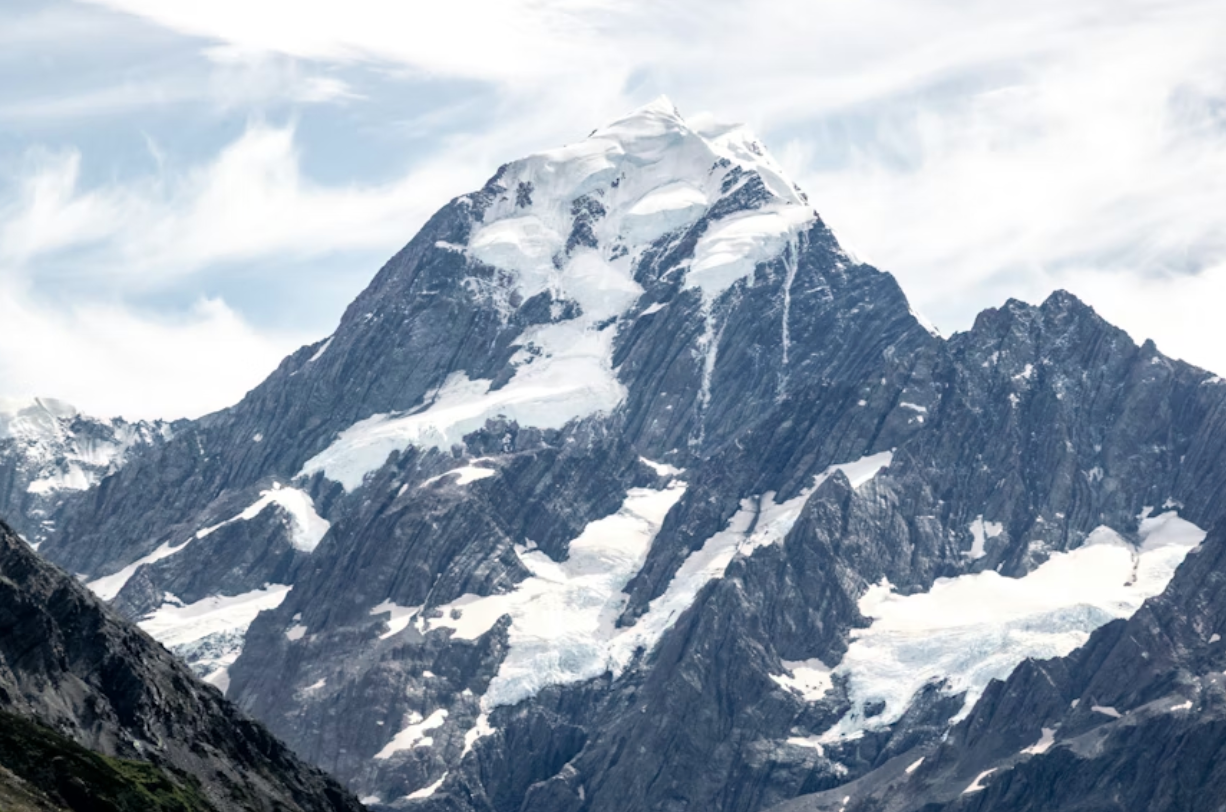

Trekking peaks are those that follow the same trekking route of the classic treks up to base camp, followed by the summit. Acclimatization becomes far more important in peak climbing than in standard trekking. When ascending mountains above 6,000 meters, the body is pushed to its limits. For instance, Island Peak Climbing, where climbers face both technical challenges and the demands of high altitude.
Instead of following a steady upward route like trekkers, climbers use a rotation strategy—ascending to higher elevations during the day and descending to lower camps to sleep. As climbers move between base camp and higher camps their bodies gradually become more comfortable with the change. Carrying equipment, navigating steep slopes, and enduring cold conditions place additional strain on the body. Wearing the right gear is equally important for a safe summit, so here is a list of equipment you should carry.
Clothing
- Base layers, moisture-wicking tops and bottoms
- Mid layers, such as fleece or insulated jackets
- Heavy down jacket for high-altitude warmth
- Comfortable trekking pants
- Waterproof and Windproof jacket
- Extra insulation layer for summit push
- Inner and outer gloves
- Warm hat or beanie and a balaclava
- Neck gaiter or buff
- Several pairs of wool socks
- Climbing suit
Footwear
- Insulated mountaineering boots
- Lightweight camp shoes
- Gaiters for snow protection
- Crampon-compatible boots
Climbing Gear
- Ice Axe
- Climbing harness
- Helmet
- Jumar or Ascendar
- Carabinar
- Safety Cords
- Crampons
- Ice Screw
Bags and Storage
- Duffel bag
- Waterproof dry bags
- Sleeping bag
- Sleeping pad, if needed
Personal and Safety
- Headlamp with extra batteries
- Sunglasses with strong UV protection
- Sunscreen and lip balm with high SPF
- First aid kit
- Personal medications
Food and Hydration
- Water bottles or hydration system
- Thermos for hot drinks
- Energy snacks like chocolate bars, energy bars, nuts, dry fruits, etc.
- Electrolyte supplements
- Oral Rehydration Salts (ORS)
How To Prevent Acute Mountain Sickness
Here are some tips on how to reduce the chances of AMS while trekking in the Himalayas.
- “Climb high, sleep low” is the golden rule for high-altitude trekking.
- Avoid rapid elevation gain. This allows your body to adapt to reduced oxygen levels in the higher regions.
- If you notice any mild altitude sickness you should stop climbing any higher and return to a lower elevation level.
- Take AMS medicines like Diamox (Acetazolamide). Do not forget to consult with your doctor beforehand, as it may have side effects. Moreover, if you have a lung or kidney issue, avoid taking Diamox.
- Stay hydrated and maintain a carbohydrate- and protein-enriched diet.
- Trek no more than 1,000 feet each day, and plan a rest day for every 3,000 feet you go higher.
- Get travel insurance and make sure it includes emergency helicopter evacuation.
- Have garlic soups, ginger tea, honey and hot water, as they are said to improve the oxygen flow.
Hire an experienced trekking guide and porter.
For more, visit Pure Magazine