Maintaining clean and well-preserved surfaces is an essential part of property upkeep, whether residential or commercial. Over time, exterior surfaces accumulate dirt, algae, mold, mildew, and other contaminants that not only affect the appearance but can also reduce the longevity of materials. One method that has gained significant attention for its efficiency, safety, and effectiveness is soft washing. Unlike traditional high-pressure cleaning, soft washing combines low-pressure water with specialized cleaning solutions to remove grime and organic growth without damaging surfaces. This article provides a detailed exploration of soft washing, including how it works, its benefits, common applications, and why it has become a preferred solution for surface maintenance.
What is Soft Washing?
Soft washing is a cleaning method that relies on gentle water pressure combined with eco-friendly cleaning solutions to thoroughly clean surfaces. The process targets algae, mold, mildew, moss, and other organic materials that can accumulate over time. Unlike high-pressure washing, which may strip paint, erode wood, or damage roofing materials, soft washing cleans without causing structural harm.
At the heart of soft washing is the use of biodegradable chemical solutions. These solutions contain surfactants and algaecides that break down organic matter at a molecular level. The low-pressure application ensures that the cleaning agents penetrate deeply into porous surfaces while minimizing physical stress on the material. This approach not only provides a cleaner surface but also helps prevent regrowth of harmful organisms for an extended period.
The Key Benefits of Soft Washing
Soft washing offers numerous advantages over conventional cleaning methods:
- Surface Protection: One of the main benefits of soft washing is its ability to preserve the integrity of surfaces. High-pressure washing can strip shingles, chip paint, or erode wood, whereas soft washing provides a deep clean without causing damage.
- Long-Lasting Clean: Because the cleaning solution removes the root causes of stains, mold, and algae, surfaces stay cleaner for a longer time, reducing the need for frequent maintenance.
- Environmentally Friendly: Many soft washing solutions are biodegradable and safe for plants, pets, and surrounding landscapes. The method also uses less water compared to traditional pressure washing.
- Cost-Effective Maintenance: By preventing damage and reducing the frequency of cleaning, soft washing can save property owners money in the long term.
- Enhanced Curb Appeal: Clean surfaces immediately improve the aesthetic appeal of any property, creating a more welcoming and professional appearance.
Common Applications of Soft Washing
Soft washing is versatile and can be used on a wide variety of surfaces. Some common applications include:
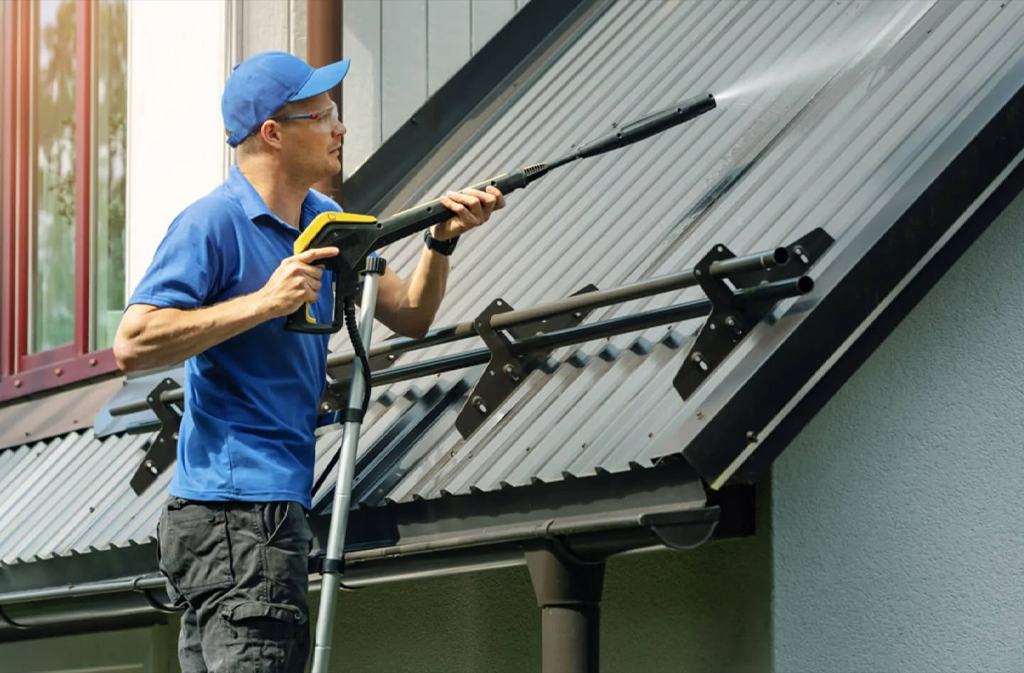
- Roofs: Roof shingles are often delicate and can be easily damaged by high-pressure washing. Soft washing removes algae, moss, and lichen without compromising the integrity of the roof.
- Siding: Vinyl, wood, stucco, and brick siding benefit from soft washing as it removes dirt, mildew, and stains while preserving the material.
- Decks and Fences: Wooden decks and fences are prone to warping or cracking under high pressure. Soft washing cleans these surfaces gently while maintaining their structure.
- Driveways and Walkways: Concrete, stone, and other hard surfaces can develop moss, algae, and dirt buildup. Soft washing effectively cleans these areas, making them safer and more visually appealing.
- Commercial Properties: Office buildings, storefronts, and public facilities can all benefit from soft washing, achieving a clean, professional look without the risks of high-pressure washing.
How Soft Washing Works
The process of soft washing begins with assessing the surface to determine the appropriate cleaning solution and concentration. Professionals then apply the solution using low-pressure equipment, ensuring the chemicals penetrate the surface. After allowing sufficient dwell time for the solution to break down organic matter, the surface is rinsed gently with water.
The effectiveness of soft washing depends on the quality of the cleaning solution and the expertise of the operator. Proper application ensures the removal of mold, algae, and other contaminants without leaving residue or harming the environment. Professional soft washing services are recommended for complex surfaces or areas that require precise handling.
Safety Considerations
While soft washing is safer than high-pressure washing, it still requires precaution. Protective equipment should be used to avoid contact with cleaning solutions. It is also important to prevent runoff from entering storm drains or surrounding areas where it could cause damage. Some surfaces may require special treatments to prevent discoloration or corrosion. Following proper safety protocols ensures effective and secure cleaning.
Soft Washing vs. Pressure Washing
Although both soft washing and pressure washing are cleaning methods, they differ significantly in technique and purpose. Pressure washing relies on high-pressure water to remove dirt and debris, which can damage delicate surfaces. Soft washing, on the other hand, uses low pressure and chemical action to clean gently and thoroughly.
For surfaces such as roofs, wooden decks, or older siding, soft washing is the preferred method. It cleans effectively while preserving structural integrity, reducing maintenance costs, and extending the lifespan of materials.
Choosing the Right Soft Washing Service
Selecting a reliable soft washing service is essential for optimal results. Factors to consider include:
- Experience: Professionals with experience in soft washing a variety of surfaces are more likely to provide thorough, safe cleaning.
- Equipment and Solutions: High-quality, low-pressure systems and eco-friendly cleaning solutions are essential.
- Safety Measures: Proper safety protocols protect both the operators and the property.
- Satisfaction Guarantees: Reputable services often offer guarantees to ensure surfaces are cleaned effectively and maintained.
By choosing the right service, property owners can enjoy the full benefits of soft washing without the risks associated with DIY methods or high-pressure cleaning.
Long-Term Benefits of Soft Washing
Soft washing is not just a cleaning solution; it is a preventive measure that protects surfaces over time. By removing harmful organic growth and preventing regrowth, it contributes to the longevity and durability of surfaces. This reduces the need for costly repairs or replacements while maintaining aesthetic appeal. For property owners looking for a safe, efficient, and sustainable cleaning solution, soft washing offers unmatched advantages.
Conclusion
Soft washing in Bedford is a revolutionary approach to surface cleaning, combining gentle water pressure with specialized cleaning solutions to achieve superior results. Its ability to clean deeply without causing damage makes it ideal for residential and commercial properties alike. With long-lasting effects, environmental safety, and reduced maintenance costs, soft washing is a reliable and effective solution for maintaining the appearance and integrity of any surface.
From removing stubborn algae on roofs to revitalizing wooden decks and siding, soft washing offers a comprehensive solution for property care. By understanding its principles, benefits, and proper application techniques, property owners can ensure clean, safe, and well-maintained surfaces for years to come.
Visit our website: Pure Magazine