Small, fluffy, and endlessly shared across social media, the pomerusky has become one of the more frequently searched hybrid dog terms online — yet it’s also one of the most misunderstood.
Search results are packed with recycled descriptions, puppy photos, and vague claims that don’t answer the real question people are asking: what is it actually like to live with this dog? Some sites treat the pomerusky as a rare breed. Others market it as a guaranteed “mini Husky.” Most avoid the uncomfortable details altogether.
Here’s the reality. A pomerusky is a high-energy, vocal, double-coated hybrid that can be deeply rewarding — or deeply frustrating — depending on your expectations and preparation.
This guide exists to close that gap.
You’ll learn what a pomerusky really is, how temperament varies by generation, whether it’s suitable for families or apartments, the real disadvantages owners face, grooming and health considerations, and what ownership actually costs in 2025–2026.
No hype. No guesswork. Just the information most articles leave out.
What Is a Pomerusky?
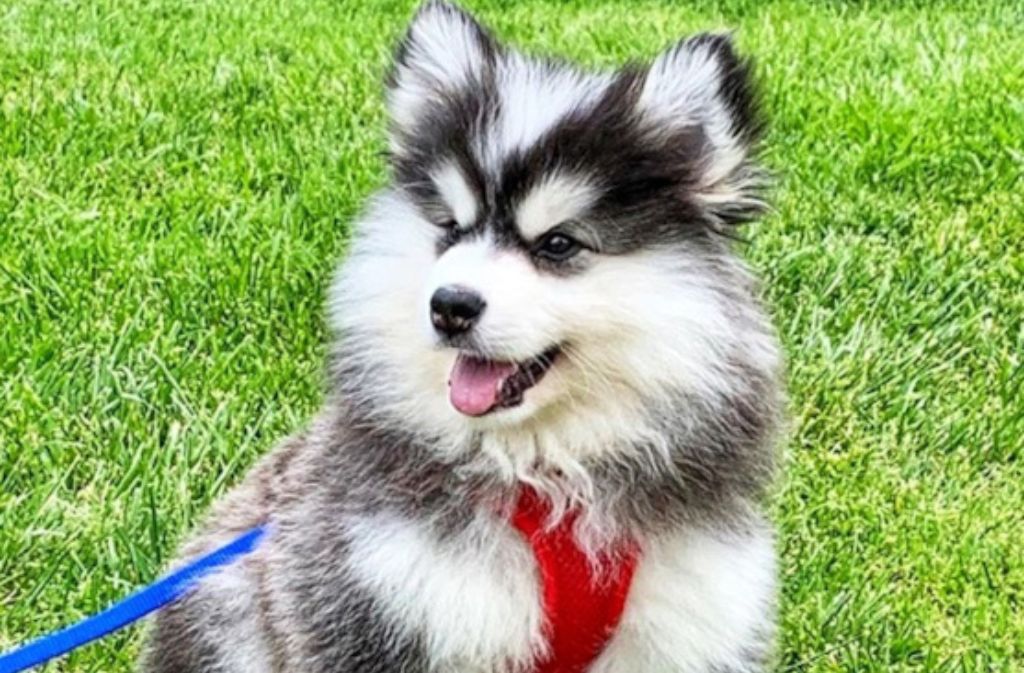
A pomerusky is an informal name commonly used to describe a Pomeranian × Siberian Husky mix, more widely and professionally known as a Pomsky.
The term pomerusky:
- Is popular in search queries and social media
- Is not an officially recognized breed name
- Refers to the same hybrid dog as a Pomsky
Because of the extreme size difference between the parent breeds, ethical breeding requires artificial insemination, typically using a Husky female and Pomeranian male. Natural breeding is unsafe and discouraged.
Pomerusky Size, Weight & Appearance
Most pomeruskies fall into the small-to-medium range:
- Weight: typically 7–25 pounds
- Height: around 10–15 inches
- Build: compact body with spitz-type features
Coat & Color
- Thick double coat with a dense undercoat
- Moderate to heavy shedding year-round
- Heavy coat blow during seasonal shedding periods
Common coat colors include white, gray, black, brown, cream, and mixed patterns. Eye colors range from brown to blue, with heterochromia (two different colored eyes) occasionally appearing.
Adult pomeruskies often develop a slightly scruffier, fuller coat than puppy photos suggest — something many owners are surprised by.
Temperament & Personality Traits
Pomeruskies are intelligent, alert, and expressive dogs with strong personalities.
They commonly inherit:
- Independence and curiosity from the Siberian Husky
- Alertness and vocal tendencies from the Pomeranian
Energy Levels
This is not a low-energy companion dog.
Without daily exercise and mental stimulation, pomeruskies may develop:
- Excessive barking or howling
- Destructive chewing
- Separation anxiety
- Stubborn, defiant behavior
Training Style That Works Best
- Positive reinforcement only
- Short, engaging training sessions
- Consistency over force
Harsh corrections often backfire with this mix.
Why Generation Matters (F1 vs F2 vs Multi-Gen)
One of the biggest reasons owners feel “misled” is generation unpredictability.
| Generation | What It Means | What to Expect |
|---|---|---|
| F1 | 50% Husky / 50% Pomeranian | Least predictable |
| F2 | Pomsky × Pomsky | More consistency |
| F3+ | Multi-generation | Most stable traits |
First-generation (F1) pomeruskies can vary dramatically in size, energy, and coat density. Multi-generation dogs tend to be more predictable.
Is a Pomerusky a Good Family Dog?

Yes — for the right household.
Best Suited For:
- Active individuals or families
- Homes with older children
- Owners who enjoy training and interaction
- People are comfortable with grooming upkeep
Less Ideal For:
- Sedentary lifestyles
- Families with very young children
- Owners are away from home most of the day
Apartment Living: A Reality Check
While pomeruskies can adapt to apartment living with proper exercise, noise is often the dealbreaker. Pomeranians are natural barkers, and Siberian Huskies are famous for their howls. Some pomeruskies inherit both traits, making them enthusiastic vocalizers — not ideal for noise-sensitive buildings or close neighbors.
Also Check: Dog Friendly Hotels New Forest: Ultimate 2025 Guide
The Real Disadvantages of a Pomerusky
This is where many pet blogs stay quiet.
Common Challenges:
- Heavy shedding year-round
- Frequent grooming needs
- Vocal behavior
- Stubborn streak when bored
- High need for mental stimulation
Health Considerations
Like most hybrids, pomeruskies can inherit issues from both parent breeds:
- Hip dysplasia
- Patellar luxation
- Dental crowding (small jaws)
- Eye conditions, including Progressive Retinal Atrophy (PRA) in some bloodlines
Regular veterinary care and proactive dental hygiene are essential.
Grooming & Maintenance Requirements
A pomerusky’s coat is not “wash and go.”
Essential Grooming Tools:
- Slicker brush
- Undercoat rake
- Deshedding comb
Maintenance Schedule:
- Brushing: 3–4 times per week
- Professional grooming: every 6–8 weeks
- Nail trimming and ear checks: monthly
Veterinarians and ethical breeders consistently emphasize early training, coat maintenance, and routine dental care as the three pillars of long-term health for this mix.
Skipping grooming often leads to matting, skin irritation, and discomfort.
Also Check: Can Dogs Eat Scrambled Eggs? A Pet Owner’s Real-Life Guide
How Expensive Is a Pomerusky? (2025–2026)
Typical Cost Breakdown
| Expense | Estimated Cost |
|---|---|
| Puppy (ethical breeder) | $2,000–$5,000 |
| Grooming (annual) | $800–$1,500 |
| Food | $500–$900 |
| Veterinary care | $400–$800 |
| Annual ownership cost | $1,700–$3,200 |
Puppies priced far below this range often indicate poor breeding practices or missing health testing.
Real-World Ownership Insight
Many owners report that mental stimulation matters more than square footage. A pomerusky in a small apartment can thrive with structured walks, training games, and enrichment — while one in a large home can struggle if ignored.
This breed does best when treated as an active companion, not a decorative pet.
Also Check: Cadibara Meaning Explained: The Capybara Mystery Solved (2025)
Common Mistakes New Owners Make
- Choosing based on appearance alone
- Underestimating shedding and grooming costs
- Skipping early training
- Assuming all pomeruskies behave the same
- Ignoring breeder transparency
Is a Pomerusky Right for You? (Quick Check)
A pomerusky may be a good fit if you:
- Enjoy daily interaction and training
- Can commit to regular grooming
- Don’t mind shedding or seasonal coat blow
- Want a small dog with a big personality
You may want to reconsider if you:
- Prefer a quiet, low-maintenance dog
- Are away from home most of the day
- Live in a noise-sensitive apartment
- Expect a predictable temperament without training
2025–2026 Trends Worth Knowing
- Growing popularity driven by TikTok and Instagram
- Increased demand for ethical, health-tested breeding
- More stable multi-generation lines
- Greater owner awareness around grooming commitment
FAQs
Q1. What dog is known as the heartbreak breed?
The Siberian Husky is often called the “heartbreak breed” because many owners underestimate its high energy, independence, and need for exercise. These traits lead to higher rehoming rates than most other breeds.
Q2. Is a Pomsky the same as a pomerusky?
Yes. A pomerusky is an informal term commonly used for a Pomsky, a hybrid dog that is a mix of Pomeranian and Siberian Husky. Both terms refer to the same breed, but “Pomsky” is the professional and widely recognized name.
Q3. Are pomeruskies good with children?
Pomeruskies can be good with older children who understand boundaries. Their small size, energy, and sensitivity make them better suited for families that can provide supervision and consistent training.
Q4. Do pomeruskies bark or howl a lot?
Yes, pomeruskies can be vocal. They may bark or howl, especially when bored or under-stimulated, as they inherit the Pomeranian’s tendency to bark and the Husky’s howling traits.
Q5. How long do pomeruskies live?
With proper care, pomeruskies typically live 12–15 years, which is average for small-to-medium hybrid breeds. Lifespan depends on diet, exercise, and routine veterinary care.
Q6. Do pomeruskies shed year-round?
Yes. Pomeruskies have a thick double coat and shed continuously, with heavier shedding during seasonal changes. Regular brushing and grooming help manage hair around the home.
Conclusion
The pomerusky isn’t just a cute internet dog — it’s a smart, energetic, and demanding companion that rewards prepared owners and frustrates unprepared ones.
If you value engagement, structure, and personality over convenience, this mix can be deeply rewarding. If you’re looking for quiet, low-maintenance ownership, it’s likely not the right choice.
Understanding generation differences, grooming needs, and daily mental stimulation is what separates successful ownership from regret.
Approached honestly and responsibly, a pomerusky can be an exceptional long-term companion — just not by accident.
Related: What to Consider When Planning an Outdoor Dog Kennel Building