


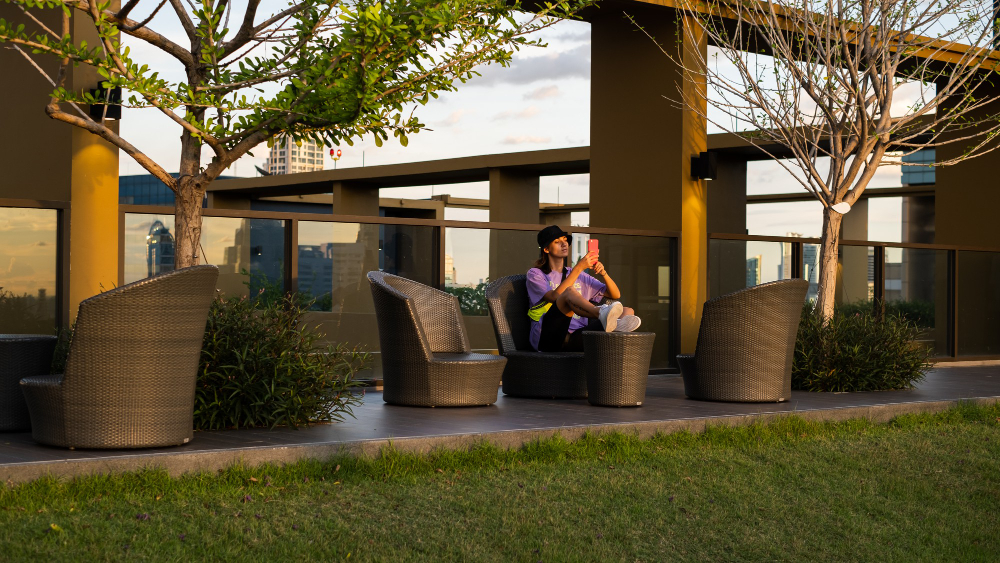
When homeowners think about increasing property value, they often focus on kitchens, bathrooms, or flooring. But in today’s real estate market, outdoor living spaces have become just as important as indoor upgrades.
Investing in your outdoor space isn’t just about aesthetics — it’s about lifestyle, usability, and long-term value. Whether you’re planning to sell in the near future or simply want to enjoy your home more, strategic outdoor improvements can deliver both financial and personal returns.
Here’s how — and why — upgrading your outdoor areas is one of the smartest home improvement decisions you can make.
Why Outdoor Spaces Matter More Than Ever
In recent years, buyers have prioritized:
- Functional backyards
- Outdoor entertaining areas
- Low-maintenance landscaping
- Privacy and relaxation spaces
- Energy-efficient yard features
Outdoor living isn’t a luxury anymore — it’s an expectation.
Do outdoor upgrades really increase home value?
Yes. According to industry data, well-designed outdoor improvements can offer strong returns on investment (ROI), particularly when they enhance usable living space rather than simply adding decorative features.
Buyers see patios, decks, and landscaped yards as extensions of the home.
1. Expand Functional Living Space
One of the biggest advantages of investing in outdoor areas is expanding usable square footage.
Examples include:
- Patios or decks
- Outdoor kitchens
- Covered pergolas
- Fire pit seating areas
- Outdoor dining zones
Is building a deck worth it?
In many markets, yes. A well-built deck increases usable entertaining space and enhances buyer appeal. Even simple patio installations can significantly improve how a backyard functions.
The key is durability and thoughtful design — not excessive spending.
2. Boost Curb Appeal
First impressions influence property value.
Front yard improvements such as:
- Fresh sod
- Defined walkways
- Updated lighting
- Trimmed hedges
- Modern house numbers
can immediately improve perceived value.
Does curb appeal affect sale price?
Absolutely. Homes with strong curb appeal often:
- Sell faster
- Attract more showings
- Receive higher offers
Buyers often form opinions within seconds of arrival. A clean, cohesive landscape builds confidence before they step inside.
3. Invest in Professional Landscaping
While DIY projects can be effective, professional design often elevates results.
Experienced landscapers in St. Paul, for example, understand local climate challenges, soil conditions, drainage needs, and plant varieties that thrive seasonally. This expertise ensures your investment lasts.
Is hiring a professional landscaper worth it?
In many cases, yes — especially for:
- Grading and drainage issues
- Hardscaping installations
- Retaining walls
- Irrigation systems
- Large-scale design projects
Professionally designed landscapes often require less long-term maintenance and improve property value more consistently than random DIY upgrades.
4. Prioritize Low-Maintenance Design
Today’s buyers prefer beauty without excessive upkeep.
Smart low-maintenance upgrades include:
- Native plant selections
- Mulched beds
- Drought-resistant landscaping
- Automated irrigation systems
- Composite decking materials
Do buyers prefer simple yards?
Yes. Overly complex landscaping can feel overwhelming. Clean, manageable outdoor spaces appeal to a broader audience.
Think balance — polished but practical.
5. Add Outdoor Lighting
Outdoor lighting enhances both safety and ambiance.
Consider installing:
- Pathway lights
- Uplighting for trees
- Porch lighting
- Motion-sensor security lights
- Patio string lighting
Does outdoor lighting add value?
Yes — especially in markets where outdoor entertaining is popular. Lighting extends usability into evening hours and improves security perception.
Energy-efficient LED systems offer long-term savings as well.
6. Improve Privacy
Privacy is increasingly important for homeowners.
Enhance backyard comfort with:
- Privacy fencing
- Tall hedges
- Decorative screens
- Pergolas with curtains
Is fencing a good investment?
In many neighborhoods, yes. Fencing is particularly attractive to families with pets or children and can improve both functionality and resale appeal.
7. Address Drainage and Structural Issues
Not all outdoor investments are visible — but they matter.
Proper drainage systems prevent:
- Foundation damage
- Basement flooding
- Soil erosion
- Lawn damage
Should I fix drainage before selling?
Absolutely. Water issues can significantly reduce property value. Preventative upgrades protect your home’s structural integrity and reassure buyers.
8. Create Outdoor Entertaining Zones
Modern buyers love homes designed for gatherings.
Add features like:
- Built-in seating
- Fire pits
- Outdoor kitchens
- Bar areas
- Shade structures
Are outdoor kitchens worth the cost?
Outdoor kitchens can offer solid ROI in warmer climates or high-demand markets. However, simpler entertaining areas — like a well-designed patio with a grill station — may offer better cost efficiency in cooler regions.
Match upgrades to your local climate and buyer expectations.
9. Consider Sustainability
Eco-friendly outdoor improvements are increasingly attractive.
Options include:
- Rain gardens
- Permeable pavers
- Native plant landscaping
- Solar-powered lighting
- Water-efficient irrigation
Do sustainable features increase value?
They can — especially among environmentally conscious buyers. Additionally, sustainability often reduces long-term maintenance and water costs.
10. Set a Smart Budget
Outdoor improvements vary widely in cost.
Before investing:
- Evaluate your neighborhood’s home values.
- Avoid overbuilding beyond comparable properties.
- Prioritize projects with proven ROI.
- Consult local real estate professionals for guidance.
How much should I spend on outdoor upgrades?
A common rule is to align spending with your local market. Investing too much may not yield proportional returns, but underinvesting may leave value untapped.
Strategic balance is key.
Common Mistakes to Avoid
When upgrading outdoor spaces, avoid:
- Overly trendy designs
- Excessive hardscaping without greenery
- Ignoring drainage issues
- Choosing high-maintenance plants
- Overpersonalizing features
Timeless, practical design typically delivers the strongest value.
Final Thoughts: Outdoor Living Is a Long-Term Asset
Investing in outdoor spaces is more than a cosmetic upgrade — it’s a lifestyle enhancement and a smart financial strategy.
Well-designed outdoor areas:
- Expand functional living space
- Improve curb appeal
- Increase buyer interest
- Support higher resale value
- Enhance everyday enjoyment
Whether you’re planning to sell or stay for years to come, thoughtful outdoor improvements create tangible and emotional returns.
In today’s housing market, the backyard isn’t an afterthought — it’s a feature.
And when approached strategically, it can be one of the smartest investments you make in your home.
For more, visit Pure Magazine