Memories are deeply tied to the places where life unfolds. The comfort of a familiar chair, the smell of a favorite meal in the kitchen, or the quiet presence of family photographs can all act as powerful anchors to the past. As time moves forward, preserving these memories becomes more important, especially for those who may find recall becoming more difficult.
Fortunately, the home itself can be a supportive and meaningful environment for keeping memories alive. Continue reading to find out more.
Creating a Memory-Friendly Environment
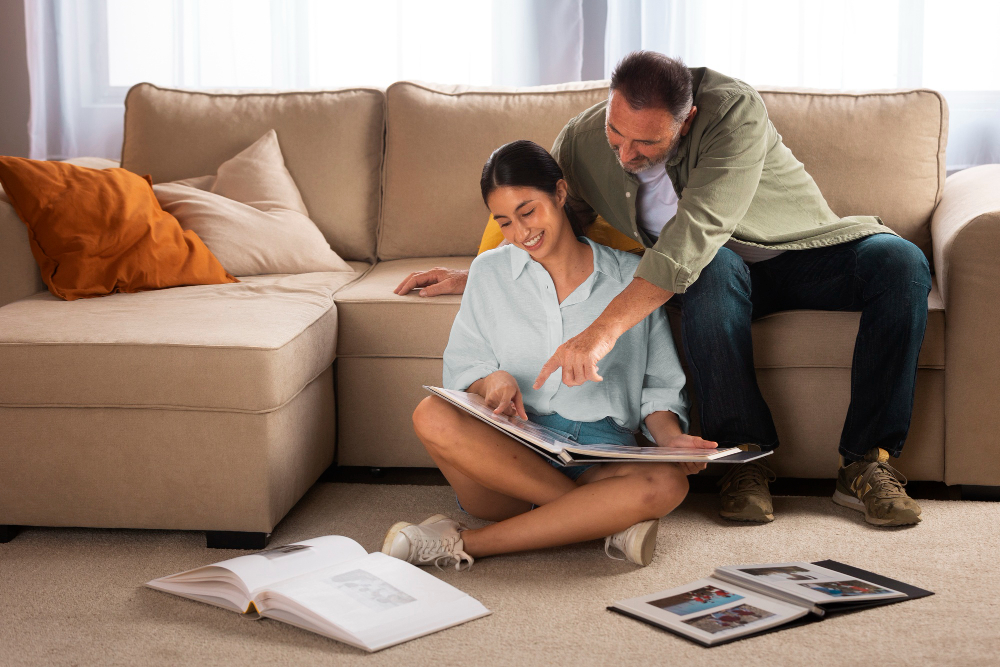
A home filled with thoughtful details can gently reinforce memory and identity. This does not require a complete redesign, as small, intentional changes can make a meaningful difference. Photographs are one of the simplest and most effective tools, as placing framed pictures of loved ones in commonly used spaces helps keep faces and relationships present in daily life. Adding short labels or captions can provide helpful context without feeling overwhelming.
Personal items also play a key part. Favorite books, keepsakes from holidays, or even well-used kitchen utensils can act as quiet reminders of past experiences. Keeping these items visible rather than stored away makes them more effective in sparking recognition.
Staying Connected to Familiar Settings
Remaining in a familiar home environment is one of the most powerful ways to preserve memory. The layout of rooms, the view from the window, and even the sounds of the neighbourhood all contribute to a sense of continuity.
As daily tasks become more challenging, some people consider leaving their home, but that is not always necessary. With the right support, it is often possible to stay in place while still receiving the help needed. One way to do this is by exploring services such as Match with Care, which help connect individuals with care that supports them in their own home.
This balance can be incredibly valuable as it allows a person to maintain independence and dignity while still benefiting from support. Familiar settings continue to reinforce identity, making it easier to recall important details and feel connected to one’s life story.
Using Daily Routines to Reinforce Memory
Consistency plays a quiet but powerful part in preserving memories. Regular routines help create a sense of structure, which in turn supports recall. Simple habits such as having meals at the same time each day, following a morning routine, or engaging in familiar hobbies can all strengthen memory. Repetition does not make life dull. Instead, it creates a comforting rhythm that makes it easier to remember what comes next.
Incorporating meaningful activities into these routines can enhance their impact. Listening to favorite music, cooking traditional recipes, or revisiting hobbies from earlier in life can all trigger positive memories and emotions.
Encouraging Conversation and Storytelling
Talking about the past is one of the most natural ways to preserve it. Encouraging regular conversations about life experiences helps keep memories active and meaningful.
Family members and friends can play an important part here. Asking open-ended questions, sharing stories, or simply listening with patience can make a significant difference. Even repeating stories should be welcomed rather than discouraged, as repetition helps reinforce memory. Recording these stories can add another layer of preservation. Whether written in a journal or captured in audio form, these personal histories become lasting treasures that can be revisited and shared.
Holding on to What Matters Most
Preserving memories in your own home is about more than remembering facts. It is about holding on to identity, relationships, and the feeling of belonging. A familiar environment, supported by thoughtful care and meaningful routines, can provide a strong foundation for this.
By making small, intentional choices, it is possible to create a home that not only holds memories but actively supports them. In doing so, the past remains a living, accessible part of everyday life.
For more, visit Pure Magazine