


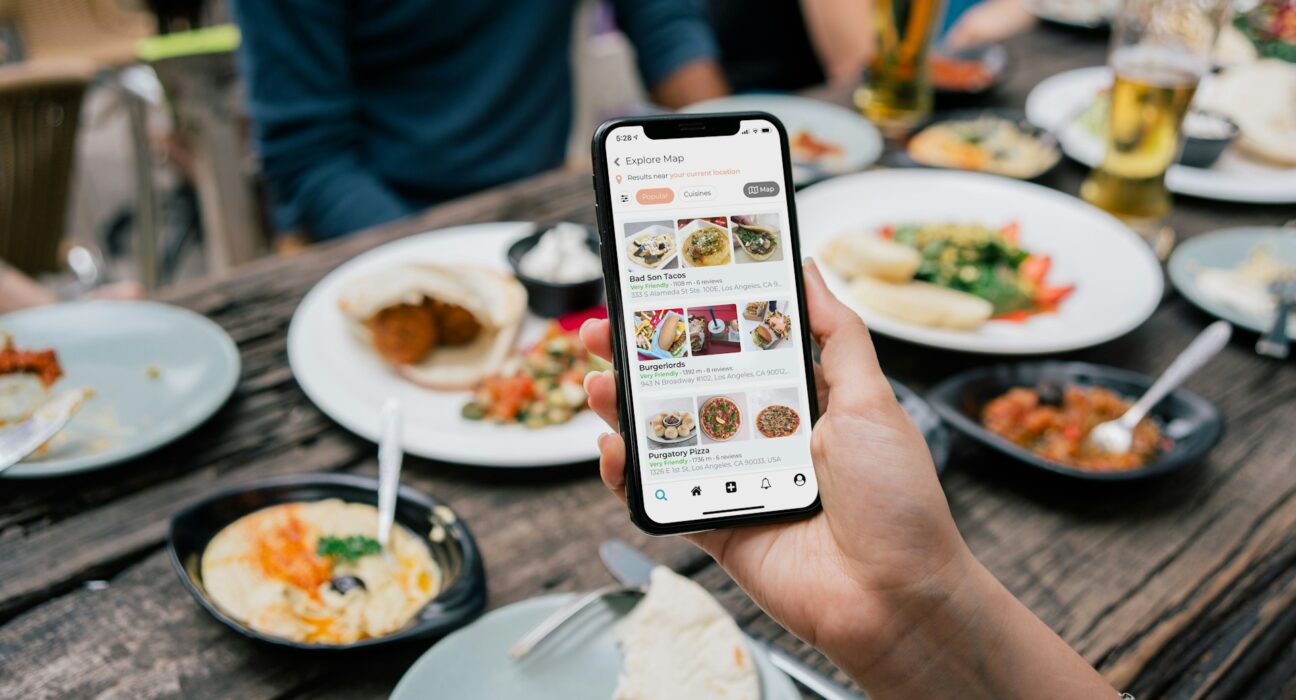
Food ordering apps are a way for the consumers to place the orders online and get it delivered to their doorsteps timely. With the advent of technology, it’s easier for them to get the desired meals delivered and cooked with precision.
Cloud based cafes are now operating really well and generating a massive revenue rate through the use of food ordering mobile apps.
Austin is one of the most compelling states in the United States where startups and SMEs are gaining popularity by investing less and gaining more.
Startups that are in the food chain industry are fulfilling their needs through well developed mobile apps.
Mobile app developers in Austin are known for implementing the best strategies and planning out works that bring out the best digital product.
But there are some attributes that should be present within the food delivery app that we are going to explain here:
Interesting Statistics about Food Delivery App
Here are few statistics that we gathered from different platform:
- Market Growth: The online food delivery industry is projected to reach $200 billion in value by 2025.
- Users: The number of users is expected to reach 2,656 million by 2026.
- Frequency: In the U.S., one in three consumers uses online food ordering services at least twice a week.
- Key Demographic: In cities like Los Angeles and Boston, 25-34 year olds are the largest user base, with over 64% of users being men.
These were some of the amazing facts that we gathered from different platforms and now we are going to learn about the steps to build a high end food delivery mobile app.
Let’s get started then.
How to build a food delivery app?
Building a food delivery app involves the high end involvement of the app developers to understand the business model first and then design and furthermore the development cycle. Whereas, there are apps like Uber Eats, DoorDash and Foodpanda that follow simple structure with the customer apps and delivery apps.
Here is a clear step by step process:
1. Decide Your Food Delivery Business Model
The first step is to decide the food delivery business model before starting the development phase.
Therefore, there are three different development models which includes, an aggregator model that comprises a restaurant that handles the delivery of the meals, and your mobile app should only manage the orders. For example, the well known Zomato app.
The second type is a logistics based model where you will have to manage the deliveries through drivers and logistics. Uber Eats is a well known example of this model. Customers place the orders online through the app, and these apps enable them with instant deliveries through the app.
Lastly, the full stack model where you have to manage the food preparation and delivery along with the kitchen that is cloud-based.
2. Conducting Market Research
The second and most important step involved within the food delivery app development is to conduct an in-depth market research where one has to study the competitors and meet the user expectations. They should focus on the target audience likes, restaurant partnerships, delivery coverage areas, and commission rates along with pricing strategies.
You may analyze the platforms like foodpanda, doordash, grubhub, and see how these platforms are working and generating revenue.
3. Define Core Features
The third step is to understand the core features which includes understanding the essential features like user registration, and login, restaurant search and filters, menu browsing and cart and checkout.
It comes with additional features like real time order tracking, multiple payment options and ratings along with reviews.
The restaurant panel would have features like management of the menus, acceptance or rejection for the orders, tracking the delivery and view of the analytics with management of pricing and offers.
Companies offering top mobile app development services would include the driver panel as well which will have features like order notification, route navigation, delivery status and earning dashboard.
4. Choosing the Right Technology Stack:
The next step is to choose the right technology stack where you have to work on the front end using technologies like, flutter, react native, swift, and kotlin. For backend you should know about node.js, django, and Ruby on Rails.
The database would include PostgreSQL and MongoDB. Whereas, the other top integration includes Google Maps API for delivery tracking, Payment gateways and Push notifications.
5. Designing the UI/UX of the Mobile App:
The fifth feature includes designing the user interface and experience of the mobile app for faster and smooth navigation. The important details to be taken care of includes, clear food images, easy checkout method and fast search leading to minimal steps for ordering. Study the UX of apps like Uber Eats and Foodpanda for inspiration.
6. Developing MVP for the Restaurant App:
The best approach is to develop an MVP for the restaurant app instead of building all the features at once. It would include, restaurant listing, ordering system, payment integration and basic delivery tracking feature for the mobile app. This approach will help them to validate the idea before even scaling it up.
7. Integration of the Payment Features:
You should integrate payment features within the mobile app which includes, credit or debit card, mobile wallets, and cash on delivery. Whereas, the core emphasis should be on security and smooth checkout process as it’s really important for a better user retention.
8. Testing the Mobile App:
You may test the mobile app through different testing phases like functional testing, performance testing, security testing and user experience testing. All of the mentioned test cases would help in understanding the users, and minimizing the errors before the launch.
Estimated Cost to Build a Food Delivery App
- MVP: $15,000 – $40,000
- Mid-level app: $40,000 – $80,000
- Full-scale platform: $100,000+
Wrapping Up
And we are done for the day. We hope you enjoyed learning and understanding about the different features that should be present within the restaurant app. It should work so smoothly that any user belonging to any age group could easily place the order and get it delivered to the doorsteps. If you think we have missed anything within the blog then feel free to share your thoughts in the comments section. We would love to hear it back from you.
For more, visit Pure Magazine