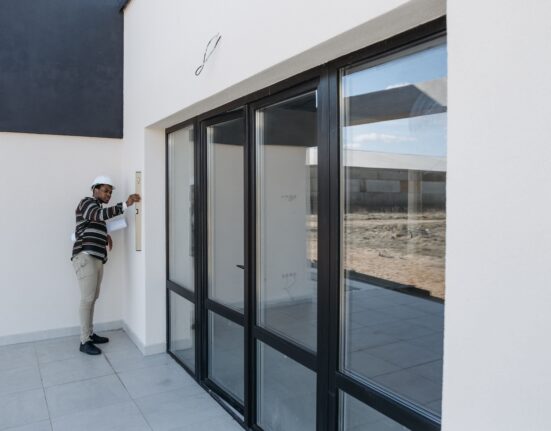
Operational efficiency has become a major priority for organisations managing increasingly complex buildings, assets, and workplace environments. Traditional facilities management methods often rely on manual reporting, disconnected systems, and reactive maintenance approaches that can slow operations and increase costs. Today, businesses are increasingly adopting Facilities Management Software to create more connected, responsive, and efficient facilities operations.
Modern digital platforms allow facilities teams to centralise information, automate routine processes, and gain better visibility across buildings and services. Rather than responding to issues after they occur, organisations can make more informed decisions using real-time operational data. Companies such as Expansive support this transition by helping organisations streamline facilities management through integrated digital solutions.
Moving Away from Reactive Facilities Management
Historically, facilities management relied heavily on reactive processes. Maintenance tasks were often scheduled manually, issues were logged in paper-based systems, and reporting relied on fragmented communication between teams.
These approaches frequently created delays, duplicated work, and reduced operational visibility.
Facilities management software introduces a more structured approach by bringing operational information into a single environment. Teams can monitor tasks, schedule activities, and track performance more effectively without relying on disconnected processes.
This shift allows organisations to move from reactive problem-solving towards more proactive and preventative operational strategies.
As a result, buildings can operate more efficiently while reducing unnecessary disruption.
Improving Maintenance Planning and Asset Performance
Maintenance remains one of the most important areas influenced by digital facilities management.
Equipment failures and unplanned downtime can create significant operational and financial pressure. Without visibility into asset performance, organisations often struggle to identify issues before they escalate.
Facilities management software improves this process by allowing teams to schedule preventative maintenance and monitor asset condition more effectively.
Digital workflows support:
- Planned maintenance scheduling
- Real-time work order tracking
- Improved asset visibility
- Faster issue resolution
- Better resource allocation
Rather than reacting to failures, facilities teams can maintain more stable building performance and extend asset lifespans.
This proactive approach reduces disruption and supports stronger long-term operational efficiency.
Increasing Visibility Across Operations
One of the biggest challenges in facilities management is maintaining visibility across multiple sites, contractors, and service activities.
Without reliable access to operational information, decision-making becomes slower and more difficult.
Facilities management software creates a centralised environment where teams can access real-time information from multiple operational areas.
Managers can review:
- Maintenance progress
- Service requests
- Asset status
- Resource allocation
- Operational performance indicators
Greater visibility improves planning and helps leadership teams make decisions based on accurate operational data rather than assumptions.
This level of transparency supports better coordination across departments and service providers.
Improving Team Collaboration and Communication
Facilities operations involve coordination between internal teams, contractors, suppliers, and building users.
Traditional communication methods can create delays and make it difficult to manage priorities effectively.
Digital platforms improve collaboration by providing shared access to information and allowing teams to communicate through a central operational system.
Updates can be tracked more easily, reducing misunderstandings and improving accountability.
Better collaboration supports:
- Faster issue escalation
- Improved service delivery
- Better project coordination
- Stronger operational consistency
For building occupants and service users, this often results in improved response times and a better overall experience.
Supporting Data-Driven Decision Making
Operational data has become increasingly valuable in facilities management.
Facilities management software provides organisations with access to performance insights that help guide operational improvements and investment decisions.
Data collected across maintenance activities, asset performance, occupancy, and service delivery creates opportunities for stronger planning.
These insights allow organisations to:
- Identify inefficiencies
- Improve resource utilisation
- Reduce operational costs
- Prioritise investments
- Measure performance outcomes
Data-driven decision-making transforms facilities management into a more strategic business function rather than a purely operational responsibility.
Enhancing Compliance and Governance
Facilities teams are often responsible for maintaining compliance across multiple operational requirements.
Tracking inspections, maintenance records, and compliance activities manually can increase administrative burden and create operational risk.
Facilities management software simplifies these responsibilities by recording activities automatically and maintaining centralised documentation.
Benefits include:
- Improved reporting accuracy
- Better audit readiness
- Easier compliance tracking
- Reduced administrative workload
This supports stronger governance while improving confidence in operational processes.
Supporting Long-Term Operational Improvement
Operational efficiency is not achieved through isolated improvements. It depends on building consistent, scalable systems that support long-term performance.
Facilities management software enables organisations to create structured workflows that improve efficiency across daily operations while supporting future growth.
As buildings become increasingly connected and operational expectations continue evolving, digital tools will play a growing role in helping organisations maintain flexibility and control.
Organisations that invest in modern facilities platforms are often better positioned to respond to operational challenges and improve long-term performance.
Conclusion
Facilities management is becoming increasingly digital, connected, and data driven. By replacing fragmented processes with integrated workflows, organisations can improve maintenance planning, increase visibility, strengthen collaboration, and support smarter decision-making.
With solutions from companies such as Expansive, organisations can use facilities management software to build more efficient, responsive, and future-ready operations and deliver better outcomes across the workplace.
For more, visit Pure Magazine