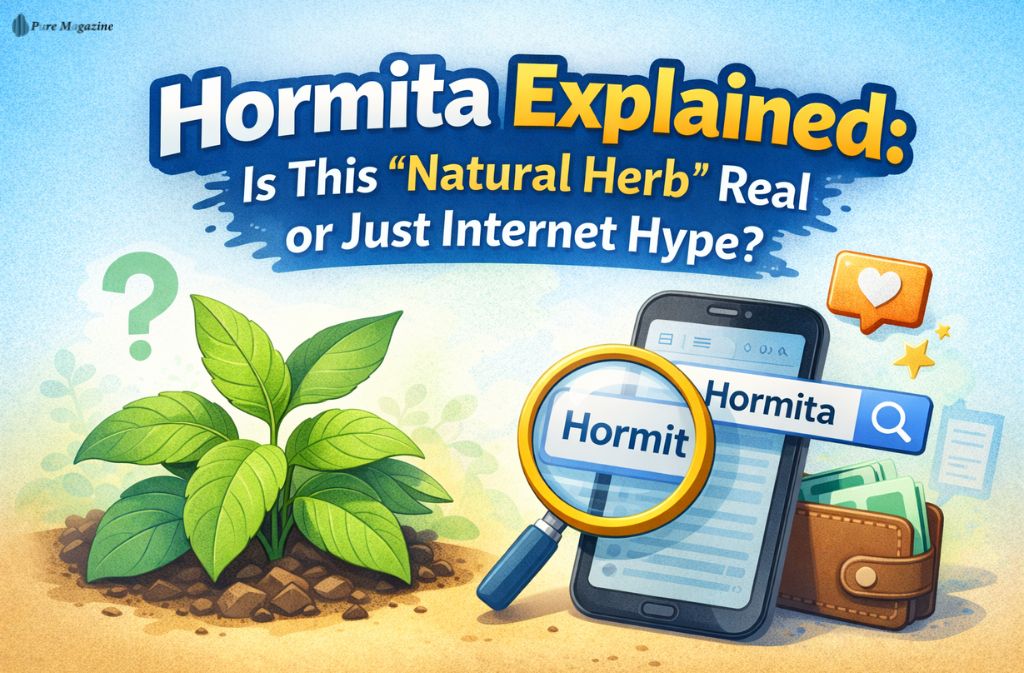
You’ve seen it.
A soft-green graphic. A headline about “natural vitality.” A blog post calling Hormita a hidden gem of sustainable wellness.
But then you try to look it up properly.
No plant photo.
>No scientific classification.
>No medical journal references.
Just more articles repeating the same vague phrases.
So what is hormita — really?
This guide breaks it down with evidence, verification, and a bit of healthy skepticism. If you’re searching for answers instead of marketing language, you’re in the right place.
What Is Hormita?
There is no verified botanical, medical, or scientific definition of hormita as of February 2026. Hormita appears to be a coined or digitally amplified term that has gained traction through online publishing — particularly in wellness and lifestyle blogs.
It is not currently recognized as:
- A documented herb
- A registered supplement ingredient
- A compound in pharmacology databases
- A plant species in botanical records
- A traditional medicine remedy
That distinction matters.
Because the way Hormita is described online makes it sound real — grounded, ancient, researched. But when you move beyond blog posts and into official databases, the trail disappears.
The Database Check: What We Actually Found
To verify legitimacy, we checked major research and regulatory databases.
As of February 14, 2026:
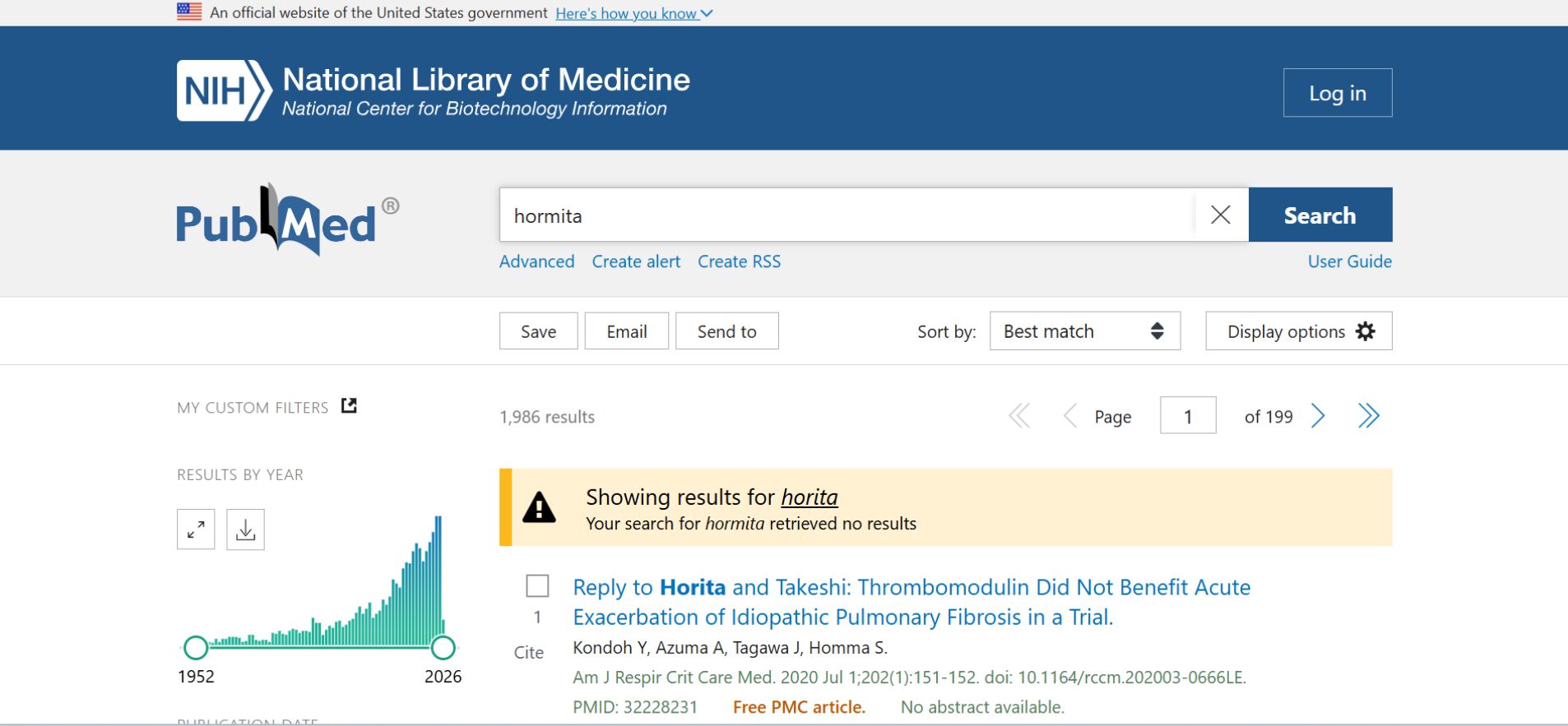
- PubMed: No indexed human biology studies referencing “hormita.”

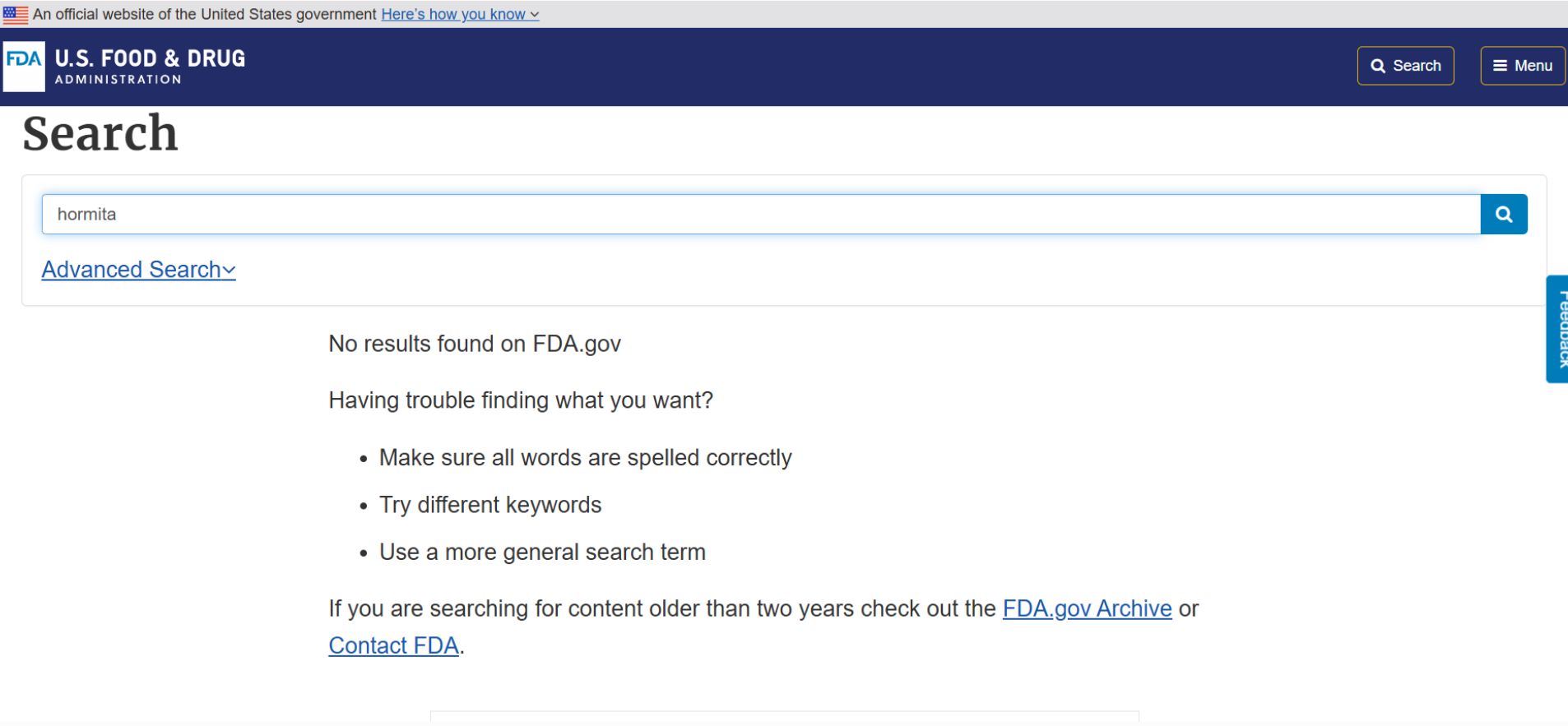
- FDA ingredient listings: No recognized supplement under that name.
- WHO herbal monographs: No listing.
- Major botanical registries: No plant classification under “hormita.”
In other words: no clinical footprint.
If hormita were a real adaptogenic herb or metabolic compound, there would be documentation. Even emerging supplements leave early traces in academic databases.
Hormita doesn’t.
Why Is Hormita Trending?
Here’s where it gets interesting.
Hormita currently has:
- High search volume
- Extremely low keyword difficulty
- No established authority site dominating the topic
In 2026, that combination is irresistible to content farms and AI-driven publishing networks.
The Pattern Looks Like This:
- A low-competition keyword appears.
- Multiple sites publish loosely defined articles.
- Curiosity increases search volume.
- Volume creates perceived legitimacy.
- More sites repeat the narrative.
It becomes a feedback loop.
Search interest fuels content.
Content fuels more search interest.
But popularity does not equal authenticity.
Why Hormita Sounds Legitimate
Language plays tricks on us.
“Hormita” feels:
- Botanical (similar to Latin plant names)
- Scientific (echoing “hormone” or “hermite”)
- Natural (soft syllables, plant-like rhythm)
The human brain associates certain phonetics with nature and credibility.
That psychological effect alone can create perceived legitimacy — even without evidence.
It’s branding through sound.
How Blogs Describe Hormita
Across various lifestyle sites, Hormita is described as:
- A natural vitality booster
- An adaptogenic energy regulator
- A sustainable living enhancer
- A holistic balance compound
Notice something?
These phrases are persuasive — but nonspecific.
They don’t define:
- Active compounds
- Biological mechanisms
- Dosage standards
- Origin regions
- Safety profiles
They’re emotionally resonant. Not medically descriptive.
Hormita vs. Real Adaptogens
To understand the difference, compare hormita to established adaptogens.
| Feature | Hormita | Ashwagandha | Rhodiola |
|---|---|---|---|
| Clinical Studies | None documented | 200+ peer-reviewed | 150+ peer-reviewed |
| Traditional Use | Undefined | Ayurvedic medicine | Nordic & Asian medicine |
| Active Compounds Identified | No | Withanolides | Rosavins |
| Safety Data | Unknown | Established | Established |
This comparison highlights something critical:
Real supplements leave paper trails.
Hormita does not — at least not yet.
Also Read: A New Understanding of Health and Weight
Is Hormita Safe?
Safety depends entirely on what the word refers to.
If Hormita is:
- A concept → Safe.
- A lifestyle philosophy → Safe.
- An undefined supplement product → Unknown risk.
If you encounter a product labeled “hormita,” follow these guidelines:
- Check the full ingredient list.
- Look for third-party lab verification.
- Avoid proprietary blends without transparency.
- Consult a healthcare professional before use.
- Research the manufacturer’s credibility.
Buying a product built around an undefined term means you are trusting branding over data.
That’s a gamble.
The Anatomy of an SEO Myth
Hormita illustrates a broader digital phenomenon.
In modern search ecosystems:
- Keywords can trend before definitions exist.
- AI systems can generate thousands of articles instantly.
- Repetition can simulate authority.
This is not necessarily malicious — but it is structurally flawed.
When dozens of sites repeat similar vague descriptions, it creates an illusion of validation.
But repetition is not research.
Could Hormita Become Real in the Future?
Possibly.
History shows that obscure compounds can become mainstream.
Collagen supplements were niche once.
Adaptogens were once fringe.
But those ingredients eventually:
- Underwent laboratory testing
- Published peer-reviewed studies
- Standardized dosing guidelines
- Established regulatory clarity
If someone defines hormita clearly — with verified compounds and clinical research — it could evolve into a legitimate category.
Right now, it remains undefined.
Consumer Alert: Buying Products Labeled “Hormita”
If a brand markets Hormita as:
- A hormone regulator
- A disease treatment
- A metabolism booster
- A stress cure
Without scientific substantiation, that crosses into risky territory.
Health claims require evidence.
And evidence leaves records.
If you can’t trace the claim to:
- A clinical study
- A recognized ingredient
- A known compound
Then the product is built on narrative, not science.
Why This Matters Beyond One Keyword
The real issue isn’t Hormita itself.
It’s what it represents.
We are entering an era where:
- Language can create perceived legitimacy.
- SEO can amplify undefined concepts.
- Curiosity can substitute for credibility.
Search engines are better than ever — but they are not immune to ambiguity.
That’s why critical thinking matters more than ever in wellness spaces.
Also Read: Can Horse Riding Improve Mental Health?
How to Evaluate New Wellness Trends
Before trying any new “natural” compound, ask:
- Is there peer-reviewed research?
- Are active ingredients clearly identified?
- Is there standardized dosing?
- Are there safety studies?
- Are reputable medical sources discussing it?
If the answer to most of those is “no,” proceed cautiously.
Curiosity is healthy. Blind trust is not.
FAQs
Q. Is hormita a real herb?
No. There is currently no verified botanical or scientific classification confirming hormita as a documented herb. Although many blogs and wellness sites describe it as a natural plant, no botanical registry, herbal monograph, or scientific study recognizes hormita as a real herb.
Q. Is hormita an adaptogen?
No. Hormita is not recognized as a traditional or modern adaptogen in any clinical research. Adaptogens like ashwagandha or rhodiola have peer-reviewed studies and standardized compounds. Hormita currently lacks any scientific evidence or documented physiological effects.
Q. Can Hormita boost energy?
No. No clinical studies are confirming that hormita improves energy, regulates hormones, or provides any measurable health benefit. Claims of “natural vitality” or “energy enhancement” are marketing narratives rather than evidence-based results.
Q. Why are so many websites talking about Hormita?
Hormita is a trending, low-competition keyword in digital publishing.
- AI content farms and wellness blogs often publish speculative articles to capture search traffic.
- Search volume increases curiosity, which amplifies repetition across the internet.
- Popularity online does not confirm existence or effectiveness.
Essentially, the hype is driven by SEO and curiosity, not scientific validation.
Final Verdict: What Hormita Really Is
As of 2026, Hormita appears to be:
A trending keyword.
A digital wellness narrative.
An SEO opportunity.
Not a documented plant.
Not a clinically studied compound and not an established supplement.
That doesn’t make it dangerous by default.
But it does make it undefined.
And in health decisions, undefined is not enough.
Actionable Takeaways
- Always verify scientific backing before trying new supplements.
- Don’t confuse repetition with evidence.
- Be cautious of vague wellness language.
- Look for transparency, research, and regulatory clarity.
-
Stay curious — but stay critical.
The internet moves fast.
Wellness trends move faster.
Your health deserves more than a keyword.
Related: The Best Ways to Improve Your Health and Well-Being in 2026