


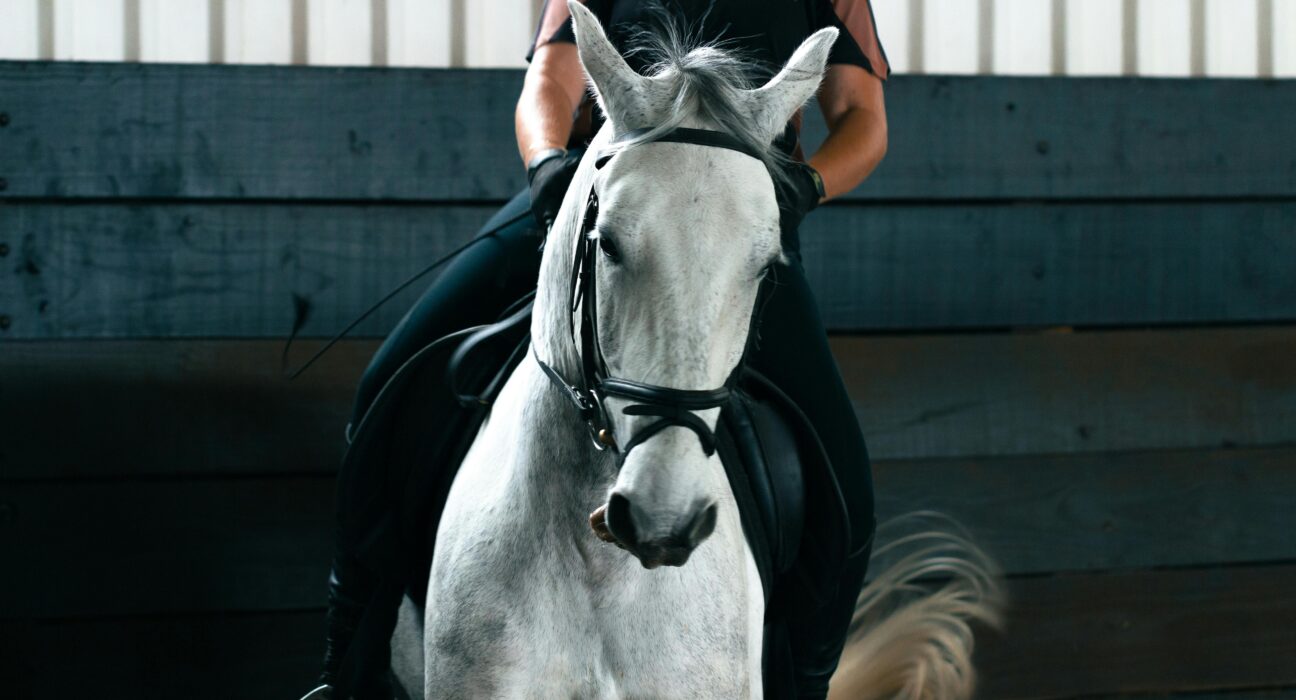
Horse riding is often described as “therapeutic,” but that word is often thrown around so casually recently that it has stopped meaning much. Yes, horseback riding is relaxing and calming and can give you a proper reset. But do medical studies support this? And can it really affect our mental health?
The short answer is yes. Horse riding can definitely improve mental health for some people. But that doesn’t happen instantly or the same for everyone. And this isn’t a replacement for clinical care, that’s for sure.
However, strong evidence suggests measurable benefits of horse riding, especially when riding is structured and consistent. We are not talking about full-on racing here. You don’t need to become a jockey and compete in the Kentucky Derby. Horseback riding is casual, and people who have never been around horses can do it.
So, if you are a horse racing fan, don’t imagine a high-speed run. Such things are reserved for the races where you wind down from the rides, make a bet, and watch horse racing events. But even this activity can be more relaxing if you analyze the race before you make a bet.
It’s a good idea to start with TwinSpires, as they have plenty of tips, suggestions, and expert picks to help you pick a winning bet. After all, you wouldn’t want to get all stressed again if you choose the wrong horse.
The question is, does horseback riding really affect our mental health? Let’s find out.
How Horse Riding Affects Stress and the Nervous System
One of the most consistently studied effects of horse interaction is stress reduction. We live in a chaotic world full of responsibilities, and we are always looking for a way to reduce stress.
But horse riding might be the answer. Multiple studies measuring cortisol, the body’s primary stress hormone, have found decreases after equine-assisted activities like riding.
One of the most consistently studied effects of horse interaction is stress reduction. Even though studies show mixed results, there are many indicators that prove that equine-assisted interactions can reduce subjective feelings of stress and improve relaxation. Especially when you are interacting with or riding a horse constantly.
Some even proved that horseback riding improved emotional regulation in participants, which is a big mental health boost. Part of this comes from the rhythm. The walking gait of a horse is quite similar to the natural movement of the human pelvis during walking. Then we have the connection with the animal and the fact that you are outdoors, all of which have the ability to bring down your cortisol levels, making you feel more relaxed.
A 2018 pilot study looked at veterans with PTSD who participated in structured equine-assisted activities and found that symptoms of PTSD and stress were reduced over multiple sessions.
So, yes, it really works.
Equine Help With Anxiety
We live in a world where anxiety has become a normal thing. Anxiety research around horse riding tends to focus on emotional regulation, a subject we talked about before.
So, does horseback riding also help with anxiety? The short answer is yes. A controlled study on equine-assisted therapy found that participants in equine programs showed reductions in anxiety compared to other control groups. Other research (including qualitative feedback from participants) reports decreases in anxiety symptoms, increased calm, and most importantly, improved emotional regulation after a few sessions.
And this is not only from horseback riding. Most of these equine-assisted therapies included people who spent a couple of hours with horses. Grooming, leading, riding. This proves that just being around horses can help people who struggle with anxiety.
Depression, Routine, and Behavioral Activation
The next big mental health issue we have nowadays is depression. But can horses change that, too? Well, depression is strongly associated with reduced activity, disrupted routines, and low perceived usefulness. When you think about it, horse riding pushes against all three.
There are countless studies, referenced by The American Psychological Association, that have noted how behavioral activation (being involved in a meaningful activity like horseback riding) plays a major role in improving depressive symptoms.
The good thing is that equine activities naturally include this. You have to show up on schedule; there are usually groups of people participating together, and it is a social activity outdoors. All of these things can help with symptoms of depression.
That’s why after a few sessions, people who suffer from depression feel improvements in mood, self-esteem, and social engagement. After all, they are moving a 1,000-pound animal, and that feels special.
Trauma, PTSD, and Sense of Safety
Weirdly enough, some of the strongest evidence for equine-assisted interventions appears in trauma-related contexts.
Several studies and systematic reviews indicate that equine-assisted therapy and related programs can reduce symptoms of PTSD, as well as improve emotional regulation and boost psychological well-being.
This makes sense. Think about it. Horses are prey animals, and they are highly sensitive to body language and environmental cues. This makes them an effective mirror for nervous system states without any talking. So, this suggests that horses can definitely play a supportive role in trauma care.
Attention, Focus, and Mindfulness Effects
Lastly, even though horseback riding might look simple, it is still an activity that demands your full focus and attention. Horse riding requires sustained attention, but don’t worry, it’s not the kind most people experience at work.
Participants involved in equine-assisted programs often show improvements in focus, as well as reduced mental fatigue.
Final Thoughts
Horse riding can definitely improve aspects of mental health, especially when it’s part of a continuous program in groups guided by professionals. However, this is only a supportive therapy, and it works in addition to standard mental health care, not here to replace it.
So, if you’ve been dealing with mental health issues lately or feel defocused, maybe it’s time to book your horseback riding session. It will change your life.
For more, visit Pure Magazine