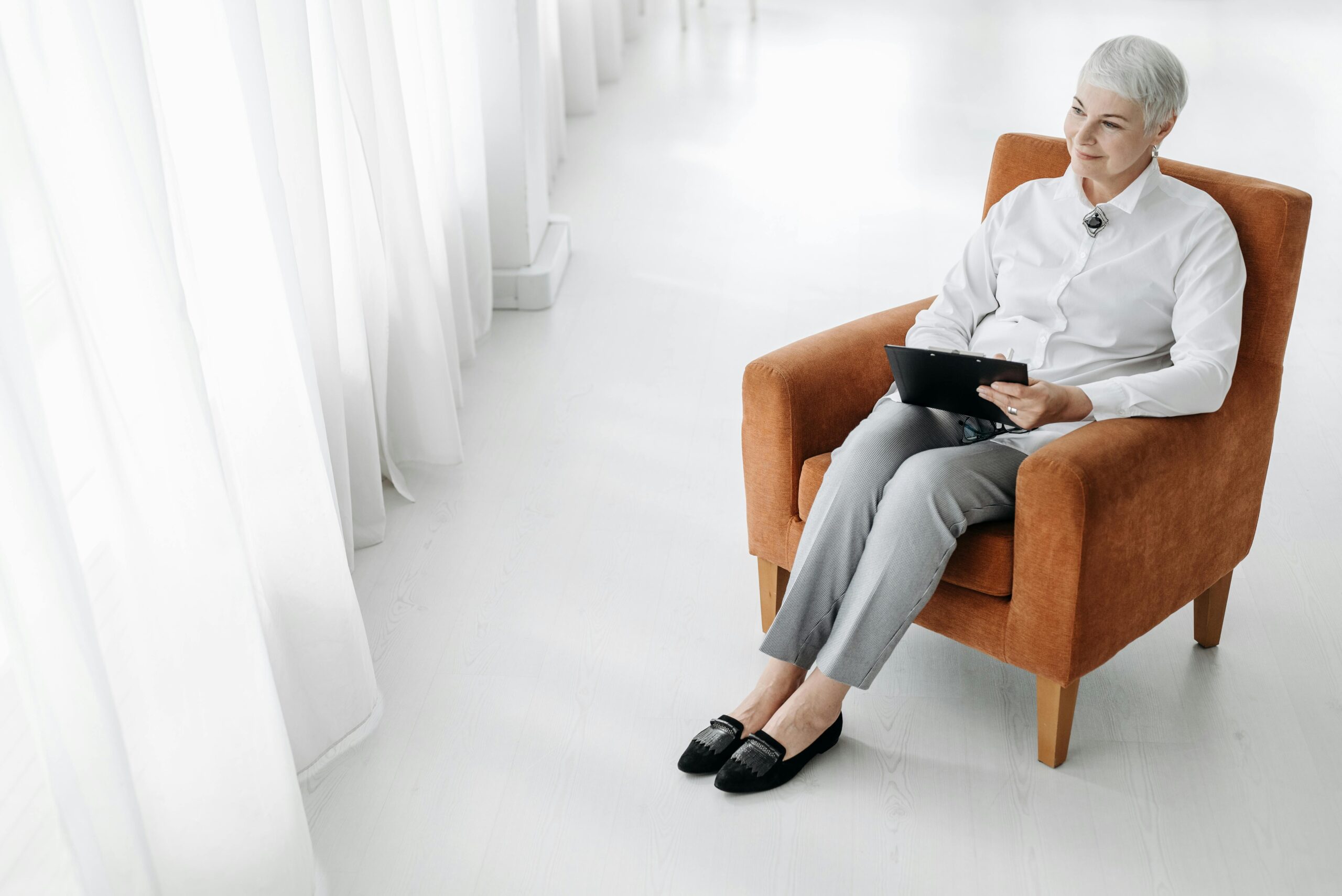
As people age, their needs at home may change. Tasks that were once simple—like climbing stairs, reaching high shelves, or stepping into a bathtub—can become more challenging over time. The good news is that creating a senior-friendly home doesn’t always require major renovations or expensive remodeling projects.
With thoughtful adjustments and a few practical tools, you can make a home safer, more comfortable, and easier to navigate. These improvements can help seniors maintain independence while reducing the risk of accidents or injuries.
In this article, we’ll explore simple ways to create a senior-friendly home without major renovations, focusing on small changes that can make a big difference.
Improve Lighting Throughout the Home
Good lighting is one of the simplest ways to make a home safer for seniors. As people age, their vision often changes, and dim lighting can make it difficult to see obstacles or read labels.
To improve lighting:
- Replace dim bulbs with brighter LED lights
- Install night lights in hallways, bedrooms, and bathrooms
- Use motion-sensor lights for areas like staircases and entryways
- Add task lighting near reading areas and kitchen counters
These changes can help prevent trips and falls while making everyday tasks easier.
Reduce Tripping Hazards
Falls are one of the most common risks for older adults at home. Fortunately, many fall hazards can be reduced with small adjustments.
Start by removing or securing items that could cause someone to trip.
Examples include:
- Loose rugs or mats
- Cluttered walkways
- Electrical cords running across floors
- Uneven flooring surfaces
Using non-slip rugs or rug grips can help keep carpets firmly in place.
Keeping walkways clear and organized is one of the easiest ways to create a safer environment.
Add Grab Bars and Handrails
Bathrooms and staircases can present particular challenges for seniors. Installing grab bars and handrails provides extra support and stability when moving around the home.
Helpful places to install grab bars include:
- Near toilets
- Inside showers or bathtubs
- Along staircases
- Near entryways
These additions don’t require major construction and can often be installed in just a few hours.
Make the Bathroom Safer
Bathrooms are one of the most common locations for slips and falls due to wet surfaces.
A few simple tools can significantly improve bathroom safety.
Consider adding:
- Non-slip mats in the shower or bathtub
- A shower chair for seated bathing
- A handheld showerhead for easier use
- A raised toilet seat for easier sitting and standing
These small adjustments can help seniors maintain independence while bathing and grooming.
Improve Accessibility in the Kitchen
The kitchen is another area where simple changes can improve comfort and safety.
Some helpful modifications include:
- Storing frequently used items on lower shelves
- Using pull-out drawers for easier access
- Installing easy-grip cabinet handles
- Choosing lightweight cookware
Reorganizing the kitchen to keep commonly used items within easy reach can reduce the need for stretching or bending.
Simplify Stair Navigation
Stairs can become increasingly difficult to navigate with age, especially for individuals with limited mobility or joint pain.
While major structural changes aren’t always necessary, there are ways to make staircases safer.
Helpful improvements include:
- Installing sturdy handrails on both sides of the staircase
- Adding bright lighting along stairways
- Using non-slip stair treads
- Marking stair edges with contrasting colors for better visibility
For some homes, assistive devices may also be helpful. Homes with spiral or winding staircases tend to benefit most from curved rail stairlift systems, which are custom-built to match the exact shape of the stairs.
These systems can help seniors move safely between floors without the strain of climbing stairs.
Use Furniture That Supports Comfort and Mobility
Furniture can play an important role in maintaining comfort and independence.
When choosing or arranging furniture, look for pieces that are easy to sit down in and stand up from.
Helpful features include:
- Chairs with firm cushions and armrests
- Beds at a comfortable height
- Tables with rounded corners to prevent injury
Avoid overly soft couches or low chairs that may make it difficult to stand.
Install Easy-to-Use Door and Faucet Handles
Traditional round doorknobs and faucet handles can be difficult to use for individuals with arthritis or reduced hand strength.
Replacing these with lever-style handles can make everyday tasks much easier.
Lever handles require less grip strength and can often be operated with the wrist or elbow if necessary.
This small change can improve accessibility throughout the home.
Organize for Convenience
A well-organized home helps seniors move around more easily and reduces unnecessary strain.
Some useful strategies include:
- Keeping everyday items within arm’s reach
- Using labeled storage bins or containers
- Placing frequently used items at waist height
- Avoiding the need to climb on stools or ladders
These adjustments make daily routines smoother and safer.
Consider Smart Home Technology
Technology can also play a helpful role in creating a senior-friendly home.
Smart home devices can make daily tasks easier and provide additional safety features.
Examples include:
- Voice-controlled smart speakers
- Smart lights that can be controlled by phone or voice
- Video doorbells for added security
- Medical alert systems for emergencies
These technologies can support independent living while providing peace of mind for both seniors and their families.
Focus on Comfort and Independence
The goal of a senior-friendly home is not just safety—it’s also about maintaining independence and quality of life.
Many seniors prefer to remain in their homes as they age, and thoughtful adjustments can make this possible.
By focusing on practical solutions such as improved lighting, better organization, and supportive equipment, homes can become more comfortable without major renovations.
Frequently Asked Questions (FAQs)
Q. What is a senior-friendly home?
A senior-friendly home is designed or adjusted to improve safety, accessibility, and comfort for older adults.
Q. Do you need to renovate a home to make it safer for seniors?
No. Many improvements—such as installing grab bars, improving lighting, and removing tripping hazards—can be done without major renovations.
Q. What are the most important safety changes for seniors?
Improving lighting, adding grab bars, removing tripping hazards, and installing non-slip surfaces are among the most important safety upgrades.
Q. How can stairs be made safer for seniors?
Adding handrails, improving lighting, and installing non-slip treads can help make staircases safer.
Q. Are smart home devices useful for seniors?
Yes. Smart home technology can simplify tasks such as controlling lights, communicating with family members, and accessing emergency assistance.
Q. When should someone consider modifying their home for aging?
It’s best to start making adjustments before mobility challenges arise. Early preparation can help prevent accidents and maintain independence.
Final Thoughts
Creating a senior-friendly home doesn’t require expensive remodeling or major renovations. Small changes—like improving lighting, organizing living spaces, and adding safety features—can significantly enhance comfort and safety.
These practical improvements help older adults maintain independence and confidence while continuing to enjoy their homes.
By focusing on simple adjustments and thoughtful design choices, families can create living environments that support healthy, independent aging for years to come.
For more, visit Pure Magazine