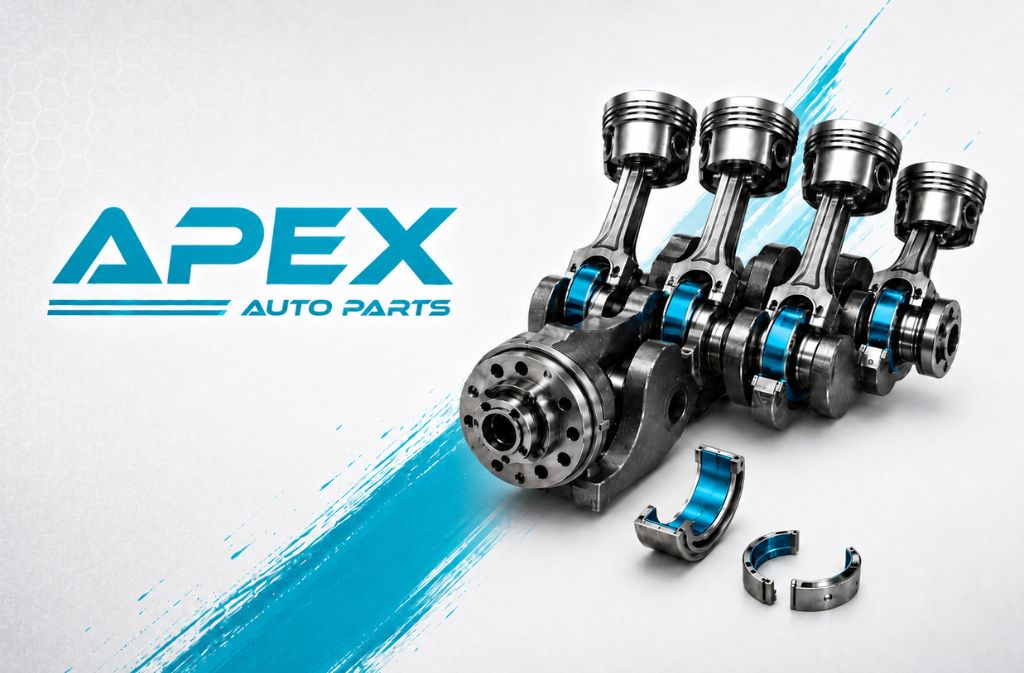
Engine bearings are small, but their role is huge. They allow the moving parts inside your engine to operate smoothly and safely. Many vehicle owners do not realize that worn or damaged bearings can cause knocking sounds, low oil pressure, and even complete engine failure. This guide will explain the differences between crankshaft bearings and big end bearings, how to spot problems, and how to maintain them properly.
Introduction Of Engine Bearings
Every engine relies on precision parts to work efficiently. Among these, bearings are essential for smooth movement of the crankshaft and connecting rods. They reduce friction, maintain proper alignment, and protect critical engine components. Without properly functioning bearings, the engine may run rough, overheat, or incur serious damage over time. Understanding these components is key to preventing costly repairs.
What Are Crankshaft Bearings?
Crankshaft bearings, also called main bearings, support the crankshaft inside the engine block. The crankshaft converts the pistons’ up-and-down motion into rotational energy that powers your vehicle. Main bearings ensure the crankshaft spins smoothly while staying in the correct position.
If a main bearing wears out, the crankshaft can move excessively, causing deep knocking, rumbling, low oil pressure, and even damage to the crankshaft itself. Maintaining proper oil levels and using high-quality lubricants are critical for protecting these bearings.
What Are Big End Bearings?
Big end bearings, also known as connecting rod bearings, are located at the larger end of the connecting rod, where it attaches to the crankshaft. These bearings handle the repeated force from the pistons, allowing the rod to move smoothly without metal-on-metal contact.
When a big end bearing fails, the engine often produces a sharp knocking sound, which increases with engine speed. Ignoring a failing big end bearing can damage the connecting rod, crankshaft journal, and even the engine block.If you want to understand how this damage can affect the rod itself, read this guide on crankshaft and big end bearings.
Key Differences Between Crankshaft and Big End Bearings
While both types of bearings are critical to engine performance, their functions differ. Crankshaft bearings stabilize the crankshaft and support the engine block, while big end bearings manage piston and rod movement. Both require clean oil, correct sizing, and proper installation to function effectively.
Understanding the distinction helps mechanics and car owners diagnose problems early, preventing further damage and costly repairs.
Signs of Worn or Failing Bearings
Worn bearings can cause a range of symptoms. For crankshaft bearings, you might notice deep engine knocking, low oil pressure, vibration, or even metal flakes in the oil. Big end bearings typically produce a sharp rod knock that gets faster as engine speed increases. Other signs of failing bearings include power loss, excessive heat, and unusual engine noises. Early detection is key to avoiding serious engine damage.
Common Causes of Bearing Failure
Bearings often fail due to underlying issues in the engine. Common causes include low or dirty oil, overheating, poor fitment, wrong bearing size, and wear on crankshaft journals. Driving under heavy load, delaying oil changes, or ignoring minor engine issues can accelerate bearing failure. Regular maintenance and timely inspections significantly reduce the risk of damage.
How to Choose the Right Bearings for Your Engine
Selecting the correct bearing requires knowing your engine type, crankshaft condition,and whether the crankshaft is factory-sized or repaired. Crankshaft bearings may come in standard or repair sizes, and using the wrong type can cause knocking, low oil pressure, and overheating. Consulting a trusted supplier like Apex Auto Parts ensures that you select the correct bearing set for your engine model and condition.
Risks of Driving with Worn Bearings
Continuing to drive with failing bearings can have serious consequences. A small knocking sound can quickly lead to crankshaft damage, rod failure, low oil pressure, or even full engine seizure. The cost of ignoring early warning signs is almost always higher than paying for inspection and repair.
Maintenance Tips to Extend Bearing Life
Proper engine care prolongs bearing life. Check oil levels regularly, use high-quality oil, and maintain service intervals. Address unusual noises immediately and inspect bearings during engine rebuilds or major repairs. Proper fitment, correct sizing, and clean oil are the most important factors for preventing bearing wear.
Conclusion: Why Bearings Matter for Engine Health
Crankshaft bearings and big end bearings are small but vital components for a healthy engine. The main bearing stabilizes the crankshaft, while the connecting rod bearing handles piston forces. Both require proper lubrication, correct sizing, and careful inspection to ensure smooth operation and prevent engine damage. If you notice knocking, low oil pressure, or vibrations, stop driving and consult a professional. Using the right bearings and maintaining them correctly can save you from expensive repairs and keep your engine running efficiently for years.
For more, visit Pure Magazine