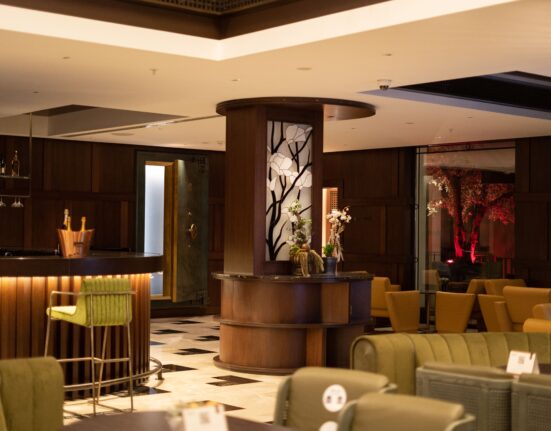
Show homes are aspirational visions of domestic perfection: immaculate surfaces, strategically placed accessories and rooms arranged for maximum visual impact. Whilst these staged environments provide inspiration, directly replicating their aesthetic choices often creates homes that photograph beautifully but prove frustrating to actually live in. Understanding common show home pitfalls helps UK homeowners make renovation decisions that balance style with genuine functionality.
Avoid the “too-perfect” glossy finish and embrace real living
Show homes showcase white sofas, glass coffee tables and delicate décor that wouldn’t survive a week in most households. These choices prioritise photography over practicality, creating spaces where spills cause panic instead of being easily managed. Successful renovations prioritise durable materials that improve with age rather than showing every mark. Opt for stain-resistant fabrics, hardwearing flooring like engineered wood or quality tiles, and surfaces that develop an attractive patina and do not look worn. Family homes particularly benefit from washable paint finishes, solid furniture and storage solutions that accommodate the reality of children, pets and daily life rather than maintaining museum-like conditions.
Don’t neglect layout, function and flow in favour of staged rooms
Show homes arrange furniture to maximise visual appeal from doorways, often sacrificing practical circulation space and essential functionality. Kitchens might feature stunning islands that impede movement, or bedrooms staged with wardrobes blocking natural light. Inadequate electrical sockets, poor lighting placement and insufficient storage rank amongst homeowners’ biggest regrets. Plan room layouts around actual usage patterns, such as how you move through spaces during morning routines, where you naturally sit when relaxing, and where children play. Ensure adequate sockets near desks, beds and seating areas, whilst positioning lighting to serve tasks instead of just ambient glow. Storage should integrate into designs from the outset rather than becoming an afterthought addressed through freestanding furniture.
Resist over-personalised styling or extreme trends and go for timeless cohesion
Show homes frequently embrace bold design trends that date rapidly, and this year’s fashionable colour becomes next year’s renovation project. Whilst personal expression matters, restraint in foundational elements provides longevity that trend-chasing cannot match. Instead of committing to ultra-fashionable statement pieces throughout, invest in elements delivering both functionality and enduring style. For instance, a carefully designed luxury kitchen with classic proportions, quality materials and neutral tones remains stylish and practical for decades, allowing personality expression through changeable accessories like artwork, textiles and smaller furniture pieces. Timeless foundations, such as neutral wall colours, quality wood finishes, or understated fixtures, create canvases for evolving tastes without requiring structural changes.
Plan for long-term durability to avoid “designer regret” down the line
Show home aesthetics ignore maintenance realities and long-term wear. So choosing materials solely for appearance without considering upkeep creates ongoing frustration. High-gloss kitchen cabinets show fingerprints constantly, whilst delicate stone requires regular sealing. Budget realistically for quality tradespeople instead of accepting lowest quotes that compromise workmanship. Plan contingencies for unexpected issues that inevitably emerge during renovations, and prioritise structural soundness over superficial finishes.
Successful renovations balance visual appeal with practical considerations that show homes deliberately ignored, creating spaces that enhance daily living rather than existing just for admiration.
For more, visit Pure Magazine