Owning a Jeep is a particular kind of freedom. Muddy trails on Saturday, open highway on Monday, and a vehicle that, let’s be honest, was built to take a beating. What nobody warns you about upfront, though, is the repair bill sitting quietly around the corner. Whether you’ve got a Wrangler or a Grand Cherokee, those costs are real, and they’re coming.
Knowing what to expect, and when to expect it, is genuinely half the battle. This guide walks you through the most common Jeep repairs, realistic price ranges, and the strategies that keep your budget from taking the same abuse as your skid plates.
Annual Repair and Maintenance Costs: The Real Numbers
Most Jeep owners have a rough idea that maintenance isn’t free. Fewer know exactly what the annual picture looks like, and that gap is where budgets quietly fall apart.
What You’re Actually Looking At Year to Year
On average, Jeep owners spend somewhere between $634 and $700 per year on maintenance and repairs. Stretch that across a decade, and you’re looking at $10,930–$11,690, before any major component failures enter the equation. Electrical issues are Jeep’s single most-reported problem category, with 16,878 documented problems across models.
Why the Bill Gets Bigger Over Time
Years one through five? Relatively quiet for most owners. But around year six, the likelihood of a significant repair climbs noticeably. By year ten, you’re facing a roughly 33% chance of something major going wrong. That’s not a reason to panic; it’s a reason to plan. Owners who budget ahead aren’t caught off guard; they’re just better prepared.
Understanding jeep maintenance cost across the ownership timeline is what transforms reactive spending into intentional budgeting.
The Repairs That Hit Hardest, and What They Cost
Knowing which repairs are most common is where smart ownership starts. Prices shift by region, model, and shop type, but these ranges give you a dependable starting point.
Engine and Cooling System Repairs
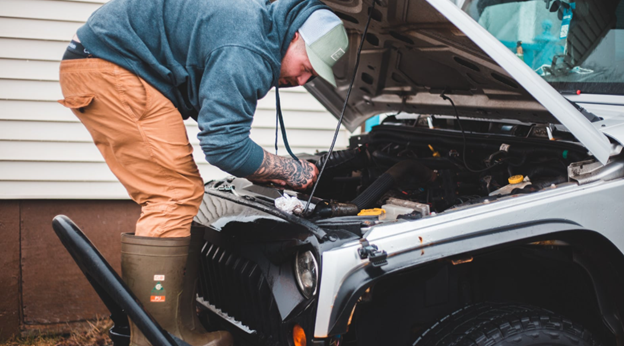
These tend to carry the steepest price tags in the lineup. A water pump replacement runs $550–$1,729, while a head gasket repair lands anywhere from $2,210 to $4,462. Full engine replacements? Those push well past $10,000, depending on what went wrong and how long it was ignored. Cooling issues that go unaddressed almost always escalate; early detection here genuinely pays for itself.
If you’re based in Texas and looking for local expertise, Boerne Chrysler Dodge Jeep Ram serves San Antonio and surrounding communities with dedicated Jeep service support. Getting a clear picture of your jeep maintenance cost before issues compound is exactly the kind of planning their team is built to help with.
Drivetrain and Transmission
Transmission replacement on a Jeep typically runs $5,000–$6,200. That’s a hard number to absorb all at once, but a routine transmission fluid service on a Grand Cherokee averages just $200–$400. The math isn’t complicated. Skip that fluid change long enough, and you’ve essentially purchased the expensive outcome. This is one area where the preventive investment is almost embarrassingly obvious.
Suspension, Steering, and the Death Wobble
If you’ve owned a solid-axle Wrangler for any length of time, you may already know what the death wobble feels like. It’s jarring, it’s unsettling, and it usually traces back to worn track bars, ball joints, or a failing steering stabilizer. Fixing it typically costs $500–$1,000. Full suspension and strut replacements run $700–$1,000 separately. Staying ahead of steering component wear is how you avoid that particular experience entirely.
Electrical System and Infotainment Failures
Jeep’s TIPM, Totally Integrated Power Module, is one of those repair categories that tends to show up suddenly and expensively. Fixes range from $1,800 to $3,500 or more. Radiator fan replacements average $957–$1,019. There’s rarely much warning before these fail, which makes electrical maintenance harder to anticipate. Documenting any odd warning lights or intermittent system behavior early can at least help a technician diagnose faster.
Routine Maintenance: The Budget-Friendly Stuff
Oil changes run $75–$216 depending on your model and location. Fluid flushes, transmission, differential, and coolant typically fall between $100 and $250 each. These are the small investments that protect you from the large ones. There’s nothing glamorous about a coolant flush, but it’s considerably more pleasant than a head gasket.
When Costs Are Most Likely to Appear
Year 1 averages around $500 in maintenance spending. By Year 5, that climbs to approximately $1,073. Year 10 pushes toward $1,731, and that’s alongside a 33% probability of a major repair hitting in the same window. Understanding this trajectory means you can build a repair reserve steadily rather than scrambling when something breaks at the worst possible moment.
How Costs Differ Across Jeep Models
The model sitting in your driveway matters more than most people realize. Let’s look at where each one tends to land.
Jeep Wrangler
Wrangler owners average $692–$694 annually. Alternator replacements run $410–$631, tune-ups average around $456, and air filters come in at $64–$70. Relative to other models, the Wrangler is actually one of the more manageable options when maintenance stays routine. Staying proactive with its schedule is genuinely the most effective way to manage Jeep maintenance costs on this model.
Jeep Grand Cherokee
Step up to the Grand Cherokee, and costs increase across nearly every category. Annual maintenance averages around $666, but individual repair bills climb faster. Brakes run $250–$350, alternators $400–$600, water pumps $400–$900. The air suspension compressor, found on certain Grand Cherokee trims, runs $1,200–$1,800 to replace. All of this contributes to a meaningfully higher overall jeep maintenance cost compared to base models.
Compass, Cherokee, and Gladiator
The Compass tends to be one of the more affordable options in the lineup. A transmission thermostat runs $300–$450; a rear axle seal averages $250–$400. The Gladiator shares much of its architecture with the Wrangler, so repair pricing trends similarly. Knowing your specific model’s common failure points helps you recognize early signs before they become expensive problems.
What You Can Actually Do to Spend Less
DIY Maintenance and Consistent Habits
About 29% of consumers have shifted to doing their own oil changes to reduce spending. For Jeep owners, handling basic tasks, such as oil changes, air filters, and fluid checks, can cut annual maintenance costs by 30–40%. Always use OEM or Mopar-spec fluids. Substituting cheaper alternatives is one of the most common paths to transmission and differential failures down the road.
Picking the Right Shop for the Job
Independent shops typically run 20–40% lower on labor than dealerships for routine work. For warranty repairs, recalls, or complex diagnostics, a certified dealership makes more sense. Either way, comparing two or three estimates before committing is always a worthwhile investment of thirty minutes.
Frequently Asked Questions
Q. What drives up repair costs the most?
Major drivetrain failures, TIPM electrical issues, and suspension repairs typically appear between years six and ten.
Q. How much should you budget annually?
Most owners should plan $600–$700 in the early years, then increase their reserve noticeably as the vehicle moves past the five-year mark.
Q. Does model choice really affect what you spend?
Absolutely. The Grand Cherokee generally costs more to maintain than the Compass or Cherokee. The Wrangler falls in the middle, with unique repair categories like the death wobble that other models simply don’t face.
Quick Reference: Common Repairs and Typical Costs
| Repair Type | Typical Cost Range | Preventative Tip |
| Water Pump | $550–$1,729 | Check coolant levels regularly |
| Head Gasket | $2,210–$4,462 | Address overheating immediately |
| Transmission Replacement | $5,000–$6,200 | Service fluid every 30,000–60,000 miles |
| TIPM / Electrical Fixes | $1,800–$3,500+ | Watch for warning lights early |
| Suspension / Death Wobble | $500–$1,000 | Inspect steering components annually |
| Oil Change | $75–$216 | DIY to cut costs significantly |
Final Thoughts
Jeeps are genuinely capable vehicles, designed to go where most won’t, and built to hold up under real pressure. But capable doesn’t mean maintenance-free, and the repair bills can accumulate quickly without a deliberate plan in place. Budgeting $600–$700 annually in the early years, building a financial reserve for years six through ten, and staying consistent with routine service puts you in a position of control rather than reaction.
Whatever you drive, a weekend Wrangler or a daily Grand Cherokee, having a clear sense of your jeep maintenance cost before something breaks is always the smarter starting point. Honest numbers, planned in advance, are simply better than surprises at the shop.
For more, visit Pure Magazine