Why Selecting the Right Multipoint Lock Is More Important Than You Think
Multipoint locks are now widely used across modern doors, but not all systems are equal. Many homeowners assume that simply having a multipoint lock is enough to guarantee security. In reality, the type, quality, and installation of the lock all play a significant role in how effective it is.
Choosing the wrong multipoint lock can lead to a range of issues, from poor security performance to ongoing maintenance problems. This is why a locksmith will always recommend taking the time to understand the different types available and how they are suited to your specific door and usage.
According to industry leaders, Locksandhardare.co.uk, with burglary still a concern across the UK, and reports suggesting that around 30% of break-ins occur through doors, selecting the right locking system is one of the most important decisions a homeowner can make.
Understanding the Core Types of Multipoint Locks
Multipoint locking systems are not a one-size-fits-all solution. There are several types, each designed with specific benefits in mind. The most common systems include hook locks, deadbolt systems, and roller cam configurations.
Hook lock systems are widely considered the most secure option. These locks use hook-shaped bolts that latch into the door frame, making it extremely difficult to force the door open using leverage. They are particularly effective on external doors where security is the primary concern.
Deadbolt multipoint systems use straight bolts that extend into the frame. While they may not provide the same resistance to forced entry as hook locks, they are reliable and easier to operate. Many homeowners prefer them because they feel similar to traditional locks.
Roller cam systems are designed for smooth operation and improved sealing. They are often used on doors where ease of use is important, such as patio or back doors. While they may not offer the same level of security on their own, they can be combined with other locking points for a balanced solution.
A locksmith will usually assess the door type, how often it is used, and the level of security required before recommending the most suitable system.
Material Quality and Build Standards
Beyond the locking mechanism itself, the materials used in a multipoint lock are critical. High-quality systems are made from durable metals that resist wear, corrosion, and tampering. Cheaper locks may look similar but often use lower-grade materials that wear out more quickly.
This difference in quality can affect both performance and lifespan. A high-quality multipoint lock can last many years with proper maintenance, while a lower-quality system may begin to fail within a much shorter period.
A locksmith will typically recommend investing in a well-known brand or a lock that meets recognised standards, particularly for external doors where security is a priority.
Installation and Alignment: The Key to Performance
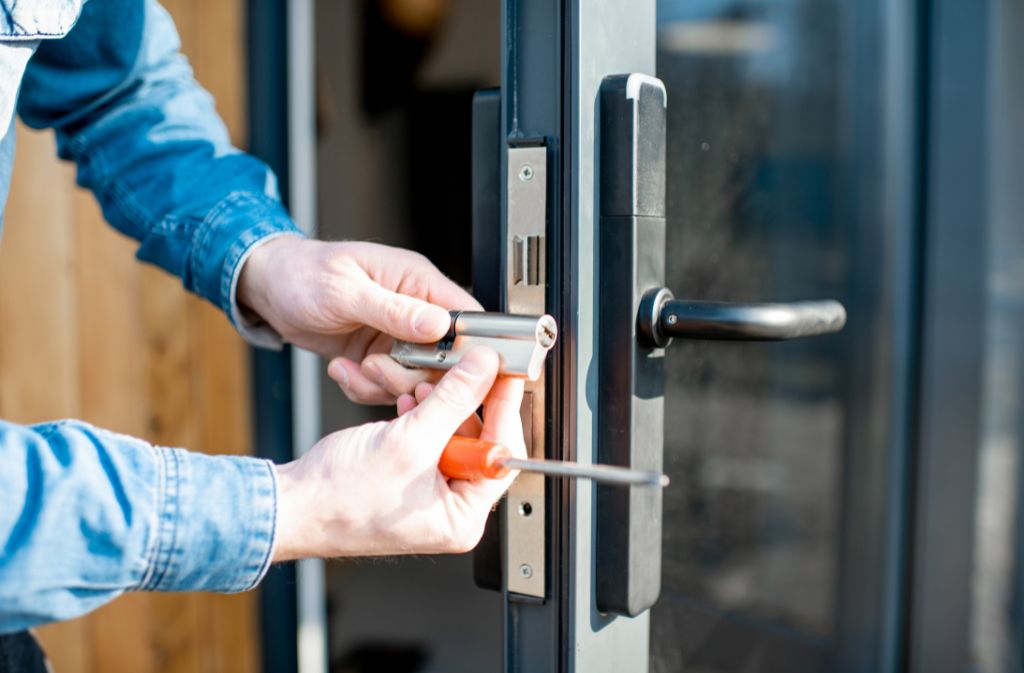
Even the best multipoint lock will not perform properly if it is not installed correctly. Alignment is one of the most important aspects of installation, as all locking points must engage smoothly with the frame.
The process usually involves fitting the locking strip into the door, aligning the keeps in the frame, and adjusting the hinges to ensure everything lines up correctly. This level of precision is difficult to achieve without experience.
Misalignment can lead to a range of issues, including difficulty lifting the handle, stiffness when locking, and increased wear on the mechanism. Over time, these problems can lead to complete failure of the lock.
A locksmith ensures that the lock is installed correctly and operates smoothly, reducing the risk of future issues.
Matching the Lock to Your Door Type
Different door materials require different types of multipoint locks. uPVC doors, composite doors, and timber doors all have unique characteristics that affect how the lock should be fitted.
For example, uPVC doors often require specific locking strips that match the profile of the door. Composite doors may require stronger mechanisms due to their weight, while timber doors may need additional reinforcement.
A locksmith will assess these factors and recommend a lock that is compatible with your door, ensuring both security and functionality.
Security Benefits and Real-World Impact
Multipoint locks provide a significant improvement in security compared to traditional locks. By securing the door at multiple points, they make it much harder for intruders to force entry.
Studies suggest that homes with upgraded locking systems are far less likely to be targeted by burglars. Intruders tend to look for easy access points, and a door with a strong multipoint lock presents a much greater challenge.
This added level of protection can also provide peace of mind for homeowners, knowing that their property is better secured.
Long-Term Reliability and Maintenance
While multipoint locks are designed to be durable, they still require regular maintenance to ensure long-term reliability. This includes cleaning the locking strip, applying lubricant to moving parts, and checking for signs of wear.
A locksmith may recommend periodic inspections to identify potential issues early. Addressing minor problems before they become serious can help extend the lifespan of the lock and prevent costly repairs.
Conclusion
Choosing the right multipoint lock involves more than simply selecting a product. It requires an understanding of the different types available, the quality of materials, and the importance of proper installation.
With the help of a professional locksmith, homeowners can select a system that provides both security and ease of use. By investing in the right lock and maintaining it properly, you can ensure long-term protection and reliable performance.
For more, visit Pure Magazine