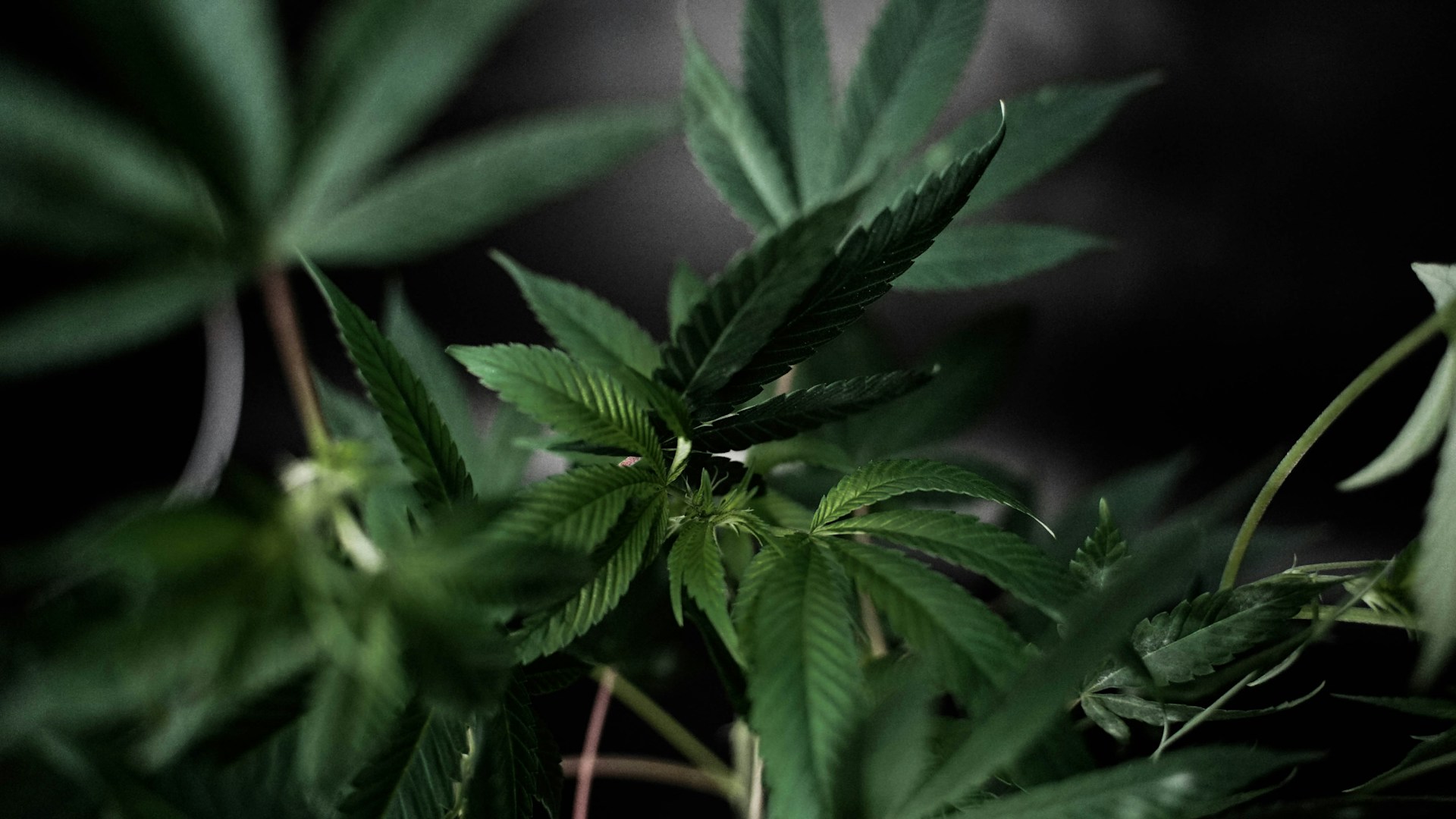
Why 2026 Feels Like a Turning Point for Cannabis
Cannabis in 2026 is no longer just about availability—it’s about refinement. The industry has moved past basic legalization-era expansion into a phase focused on precision: better cultivation standards, clearer product data, and more tailored user experiences.
Instead of broad assumptions like “indica for sleep” or “sativa for energy,” the market is shifting toward measurable inputs such as cannabinoid ratios, terpene profiles, dosage control, and consumption method. The result is a more predictable and user-specific experience.
Smarter Cannabis: Data-Driven Choices Replace Guesswork
One of the biggest changes is how decisions are made. Users are no longer relying only on strain names or branding. Instead, they are using product data—THC/CBD ratios, terpene breakdowns, and lab testing results—to predict effects more accurately.
This data-driven approach reduces variability and makes cannabis more intentional. Products are increasingly designed and selected based on specific outcomes like relaxation, focus, sleep support, or controlled social use.
Cleaner Cannabis: Higher Standards Across Production
“Cleaner” cannabis refers to improvements in cultivation, extraction, and testing standards. More producers are prioritizing pesticide-free cultivation, solvent-free extraction methods, and stricter quality control during post-harvest processing.
Lab testing has also become more standardized in many markets, helping users avoid contaminants and inconsistencies. This shift is not just regulatory—it reflects growing consumer demand for safer, more transparent products.
Cleaner inputs generally lead to smoother experiences, more stable effects, and fewer unpredictable reactions.
The Rise of Personalization in Cannabis Use
Personalization is becoming one of the defining trends in 2026. Instead of general categories, users are matching products to their own biology, tolerance, and daily routines.
This includes adjusting cannabinoid ratios for sensitivity, selecting terpene profiles based on subjective effect patterns, and fine-tuning dosage based on experience history. Over time, cannabis use becomes less about discovery and more about optimization.
The same product can feel very different depending on the individual, which is why personalization is replacing standardized expectations.
Consumption Methods Are More Intentional
Different consumption formats now serve clearly defined roles. Inhaled products are often used for fast onset and short duration, while edibles are chosen for longer, more sustained effects. Tinctures and capsules sit in between, offering more controlled dosing without inhalation.
Users are increasingly selecting formats based on timing, environment, and functional needs rather than convenience alone. This adds another layer of control to the overall experience.
The Role of Cannabinoid Ratios in Modern Use
THC is no longer the only focus. Balanced formulations with CBD, minor cannabinoids, and tailored ratios are becoming more common. These combinations allow for more nuanced effects, often reducing intensity while improving functional clarity.
Rather than maximizing THC, many users are now optimizing for consistency and comfort. This shift reflects a more mature understanding of how cannabinoids interact with the endocannabinoid system.
Terpenes as a Personalization Layer
Terpenes are playing a larger role in how users select cannabis. While still not fully deterministic, they offer a useful framework for predicting general experience profiles.
Profiles rich in certain terpenes are often associated with different subjective effects, helping users narrow down options beyond strain names. This makes selection more aligned with personal preference rather than marketing categories.
Why Brands Are Moving Toward Curated Experiences
Retailers and platforms are responding to this shift by curating product selections instead of offering overwhelming catalogs. The focus is moving toward guided discovery based on user goals rather than generic browsing.
Online Dispensary reflects this direction by organizing cannabis products around intended experiences and quality standards, helping users make more informed and consistent choices without relying on trial and error.
Less Experimentation, More Refinement
A key trend in 2026 is the reduction of random experimentation. Instead of constantly trying new products, users are refining what already works for them and making incremental adjustments.
This reflects a broader shift from curiosity-driven use to experience optimization. Cannabis is increasingly treated as a system to be tuned rather than a substance to be explored blindly.
The Bigger Picture: Cannabis as a Maturing Industry
The evolution toward smarter, cleaner, and more personalized cannabis reflects a maturing industry. Similar to coffee, wine, or craft food markets, cannabis is moving toward segmentation, quality tiers, and user-specific optimization.
This maturity is driven by both consumer education and improved product science, creating a more structured and predictable landscape.
The Bottom Line on Cannabis in 2026
Cannabis in 2026 is defined by precision rather than generalization. Smarter selection tools, cleaner production standards, and deeper personalization are replacing outdated assumptions about strains and effects.
The result is a more controlled, consistent, and user-focused experience where outcomes are increasingly shaped by data, biology, and intentional design.
FAQ
Why is cannabis becoming more personalized in 2026?
Because users now have more data and better product options to tailor their experience.
What does “cleaner cannabis” mean?
It refers to improved cultivation, extraction, and testing standards with fewer contaminants.
Are strain names still important?
Less than before—cannabinoid and terpene data are now more reliable indicators.
How are users choosing products now?
Based on effects, ratios, and personal response patterns rather than branding.
What is the main trend in cannabis today?
A shift toward smarter selection, cleaner production, and personalized experiences.
For more, visit Pure Magazine