


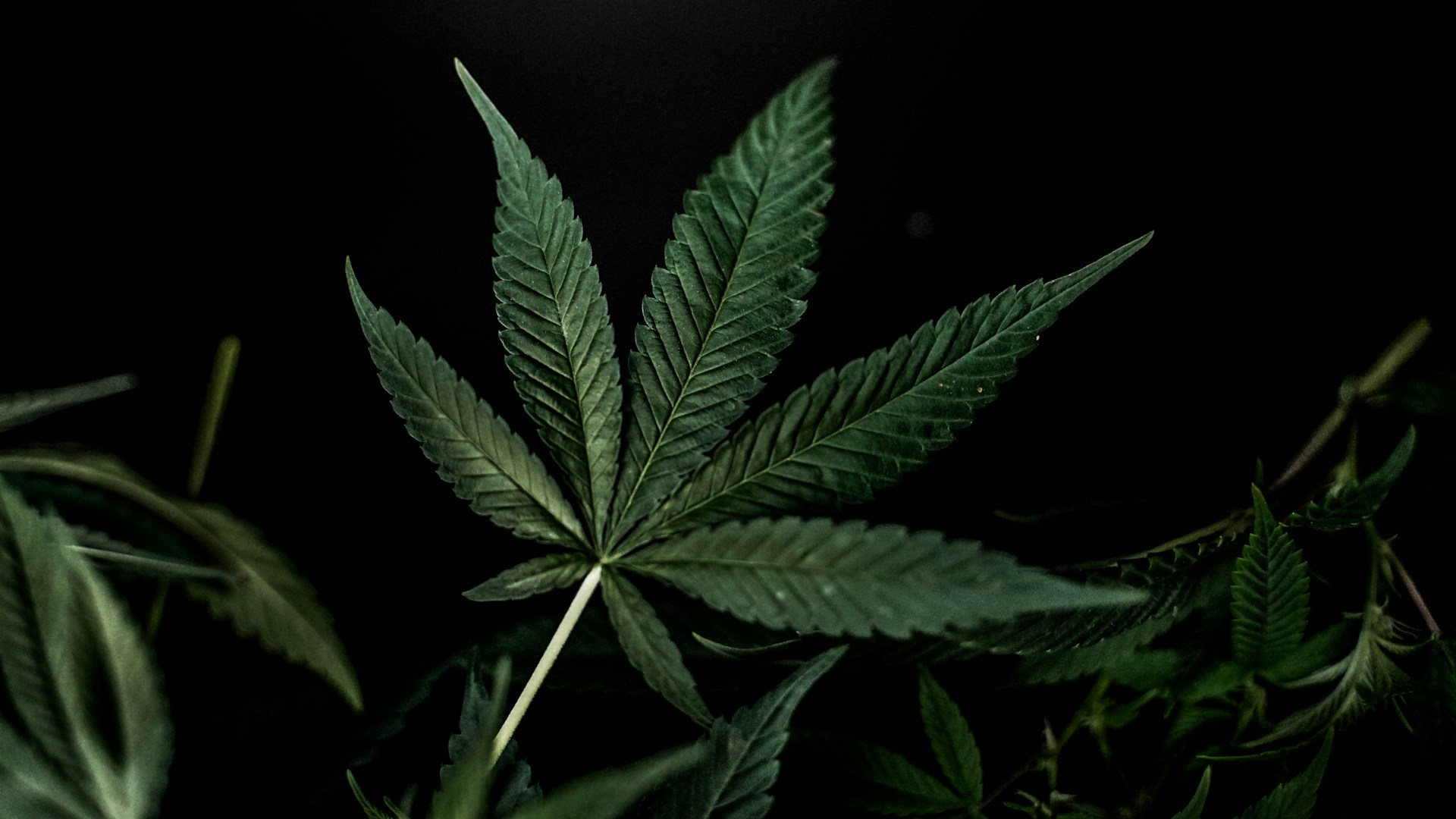
Understanding Cannabis Use in PTSD: What Actually Matters
PTSD affects emotional regulation, stress response, sleep quality, and how the brain processes perceived threats. Symptoms like hypervigilance, intrusive thoughts, emotional numbness, and sudden anxiety spikes are often tied to a nervous system that stays “stuck” in survival mode. Because of this, some individuals explore cannabis as a way to support symptom management, particularly for calming the body, improving sleep, and reducing emotional overwhelm.
However, cannabis is not a uniform experience. Two products with the same THC level can feel completely different depending on cannabinoid balance, terpene profile, and individual sensitivity. This is where many users run into frustration. They expect predictable relief but instead experience inconsistency, sometimes feeling calmer, other times feeling overstimulated or emotionally scattered.
The key point is that cannabis does not “treat” PTSD in a clinical sense. Instead, it may influence certain symptoms for some users, especially those related to stress and sleep. The effects are highly individual and should be approached with careful expectation management rather than certainty.
How Cannabis Interacts With Emotional Regulation
Emotional regulation in PTSD is closely tied to how the brain manages fear responses and stress signals. The endocannabinoid system plays a role in modulating these processes, which is why cannabinoids like THC and CBD are often discussed in relation to anxiety and trauma-related symptoms.
THC can sometimes reduce emotional intensity at low doses, helping certain users feel temporarily less overwhelmed. In small amounts, it may quiet intrusive thought loops or reduce physical tension. However, higher doses can have the opposite effect, increasing anxiety, paranoia, or emotional instability, especially in individuals who are already sensitive to stress.
CBD works differently. It is non-intoxicating and is often associated with calming effects without altering perception. For some users, CBD may help reduce baseline anxiety and improve emotional steadiness, making it easier to navigate daily triggers without feeling emotionally flooded.
The important distinction is that cannabis does not create emotional stability in a uniform way. Instead, it can either support or disrupt regulation depending on how it is used.
Why Strain Names Are Not Enough
A common mistake is relying on strain names like indica or sativa when selecting cannabis for emotional support. These labels are widely used in marketing but are not reliable indicators of how a product will actually feel.
What matters more is the chemical composition of the strain. Cannabinoid ratios and terpene content have a much stronger influence on the overall experience than the strain name itself. This is why two products with the same label can produce very different effects.
For individuals managing PTSD symptoms, this inconsistency can be particularly frustrating. One product may feel calming and grounding, while another with the same strain name may feel mentally foggy or overstimulating.
Terpenes That Influence Calm and Emotional Stability
Terpenes are aromatic compounds that contribute significantly to how cannabis affects mood and perception. While they do not act in isolation, they help shape the overall experience in meaningful ways.
Myrcene is often associated with physical relaxation and a calming body effect. It may help reduce tension and support winding down, especially in the evening. Limonene is more commonly linked to mood elevation and emotional lightness, which can help reduce stress or emotional heaviness during the day. Linalool, also found in lavender, is frequently associated with calming and soothing effects, making it relevant for nervous system regulation.
Pinene is sometimes noted for promoting mental clarity, which may help users who experience cognitive fog or dissociation alongside PTSD symptoms. These terpene profiles help explain why cannabis can feel dramatically different even when THC levels are similar.
The Importance of Dose Control in Trauma-Sensitive Use
One of the most important factors in using cannabis for emotional regulation is dosage. PTSD-related symptoms often involve heightened sensitivity to internal and external stimuli, which means dosing mistakes can have amplified effects.
Low doses of THC may provide subtle relaxation or emotional softening, but higher doses can easily overwhelm the system. This can lead to increased anxiety, emotional disconnection, or even reactivation of stress responses in some users.
Because of this, many individuals find that microdosing works better than standard dosing. Small amounts may help reduce baseline tension without impairing cognitive function or emotional stability. The goal is not to escape emotional experience but to make it more manageable.
CBD-dominant products can also play a role here, offering a gentler approach to symptom support without the risk of intoxication.
Real-World Challenges in Cannabis Use for PTSD Symptoms
While cannabis may provide relief for some individuals, it also comes with challenges that are often overlooked. One major issue is inconsistency. The same product can feel different depending on sleep quality, stress levels, diet, or even the time of day it is used.
Another challenge is emotional dependence. Because cannabis can temporarily reduce distress, some users begin relying on it as a primary coping tool. Over time, this can reduce emotional resilience and make it harder to manage symptoms without it.
There is also the issue of tolerance. Regular use can reduce sensitivity to THC, requiring higher doses to achieve the same effect. This can create a cycle where benefits decrease while side effects increase.
For these reasons, cannabis is generally best viewed as a supportive tool rather than a standalone solution for PTSD-related challenges.
Choosing Cannabis With More Intention
A more effective approach is to focus on composition rather than branding or strain names. CBD-dominant options are often preferred for daytime emotional stability, while balanced THC:CBD products may be used for mild relaxation or stress reduction in controlled settings. Low-dose THC products with calming terpene profiles are sometimes used in the evening for sleep support.
Product transparency is also critical. Lab-tested, clearly labeled products reduce uncertainty and make it easier to understand how different cannabinoids and terpenes contribute to the experience. This is where consistency in sourcing becomes important, and brands like Packsdash aim to support that clarity by offering more predictable product profiles.
The Bottom Line on Cannabis and PTSD Emotional Regulation
Cannabis may influence emotional regulation and symptom perception in PTSD, but its effects are highly individual and dose-dependent. It is not a cure or a guaranteed solution, but rather a variable tool that can either support or disrupt emotional balance depending on how it is used.
The most reliable outcomes tend to come from low and intentional dosing, attention to terpene profiles, and realistic expectations about what cannabis can and cannot do. When used thoughtfully, it may help reduce emotional intensity or support relaxation, but it works best as part of a broader approach to mental health and wellness.
FAQ
Can cannabis help with PTSD symptoms?
It may help some individuals manage specific symptoms like anxiety, sleep disturbances, or emotional overwhelm, but effects vary widely.
What type of cannabis is best for emotional regulation?
CBD-dominant or balanced THC:CBD products are often preferred because they tend to offer calmer and more stable effects.
Can THC make PTSD worse?
Yes, in higher doses THC may increase anxiety, paranoia, or emotional sensitivity in some individuals.
Are indica strains better for PTSD?
Not necessarily. Effects depend more on cannabinoids and terpenes than strain labels like indica or sativa.
Is cannabis a replacement for PTSD therapy?
No. It is not a replacement for evidence-based treatments such as trauma-focused therapy, but may be used as a complementary tool for some individuals.
For more, visit Pure Magazine
