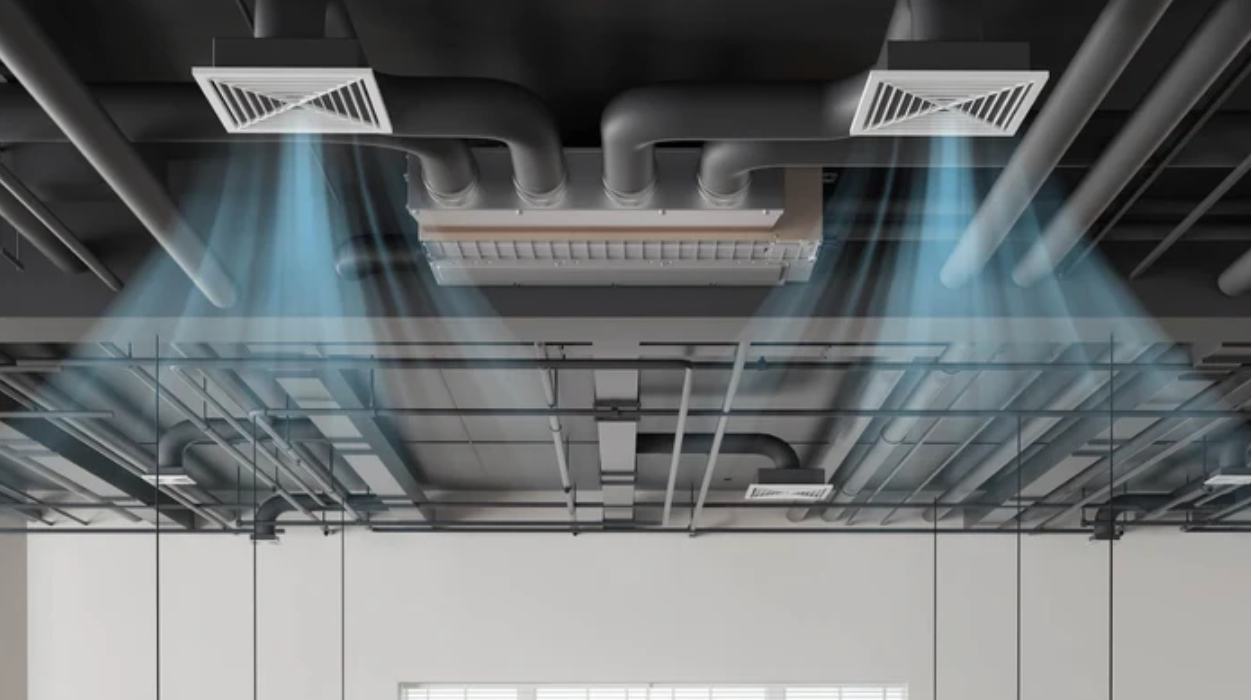
Installing modern HVAC systems in older homes often raises concerns about space, structure, and compatibility. Many homeowners wonder whether a concealed ducted mini split system can be integrated without compromising the character or integrity of the building. The good news is that with proper planning and the right approach, it is entirely possible to achieve both comfort and efficiency in an older property.
Challenges of Installing Modern HVAC Systems in Older Homes
Older homes were not originally designed to accommodate modern air conditioning systems, especially those that rely on ductwork. Limited ceiling space, thick walls, and unique architectural features can make installation more complex than in newer constructions. In many cases, there is little room to hide equipment without altering the structure, which is why many homeowners begin considering alternatives such as a mini split air conditioner for greater flexibility.
Additionally, older buildings may have outdated electrical systems or structural limitations that need to be addressed before installation. These factors can increase both the time and cost of the project, requiring careful evaluation and professional expertise to ensure everything is done safely and effectively. Choosing a solution like a mini split can sometimes reduce these challenges, but proper planning is still essential.
How Concealed Ducted Mini Split Systems Adapt to Existing Structures
Concealed ducted mini split systems are more flexible than traditional HVAC systems, making them well suited for older homes. Because they use compact indoor units and shorter duct runs, they can be installed in tighter spaces such as attics, crawl spaces, or soffits. This flexibility allows homeowners to avoid major structural changes.
These systems also support zoned cooling, which means different areas of the home can be conditioned independently. This is especially useful in older homes where room layouts may not be uniform. By tailoring the system to the existing structure, it becomes easier to maintain comfort without extensive renovations.
Key Factors to Evaluate Before Installation in an Old Home
Before installing a concealed ducted mini split system, it is important to assess the home’s existing conditions. Ceiling height, available hidden spaces, and insulation levels all play a role in determining feasibility. A thorough inspection helps identify the best locations for the indoor unit and ductwork.
It is also important to evaluate the electrical system and overall energy efficiency of the home. Upgrading insulation or sealing gaps may be necessary to maximize the performance of the new system. Taking these steps in advance ensures that the installation delivers both comfort and long term efficiency.
Common Installation Solutions for Limited Space and Layout Constraints
When space is limited, creative installation solutions become essential. One common approach is to use a dropped ceiling in select areas to create space for the concealed unit and ducts. This allows the system to remain hidden while maintaining a clean and consistent look.
Another solution involves using slim ducts and strategically placing vents to minimize visual impact. Installers may also take advantage of unused spaces such as closets or attic corners. These methods help integrate the system seamlessly into the home without disrupting its original design.
Benefits of Upgrading to a Concealed Ducted Mini Split in Older Properties
Upgrading to a concealed ducted mini split system offers several advantages for older homes. One of the most notable benefits is improved comfort, as the system provides consistent and even cooling throughout the space. At the same time, it operates quietly, enhancing the overall living experience.
In addition, these systems can improve energy efficiency compared to outdated HVAC solutions. This can lead to lower utility costs and a reduced environmental impact. By combining modern technology with thoughtful installation, homeowners can enjoy the charm of an older home while benefiting from the performance of a contemporary cooling system.
For more, visit Pure Magazine